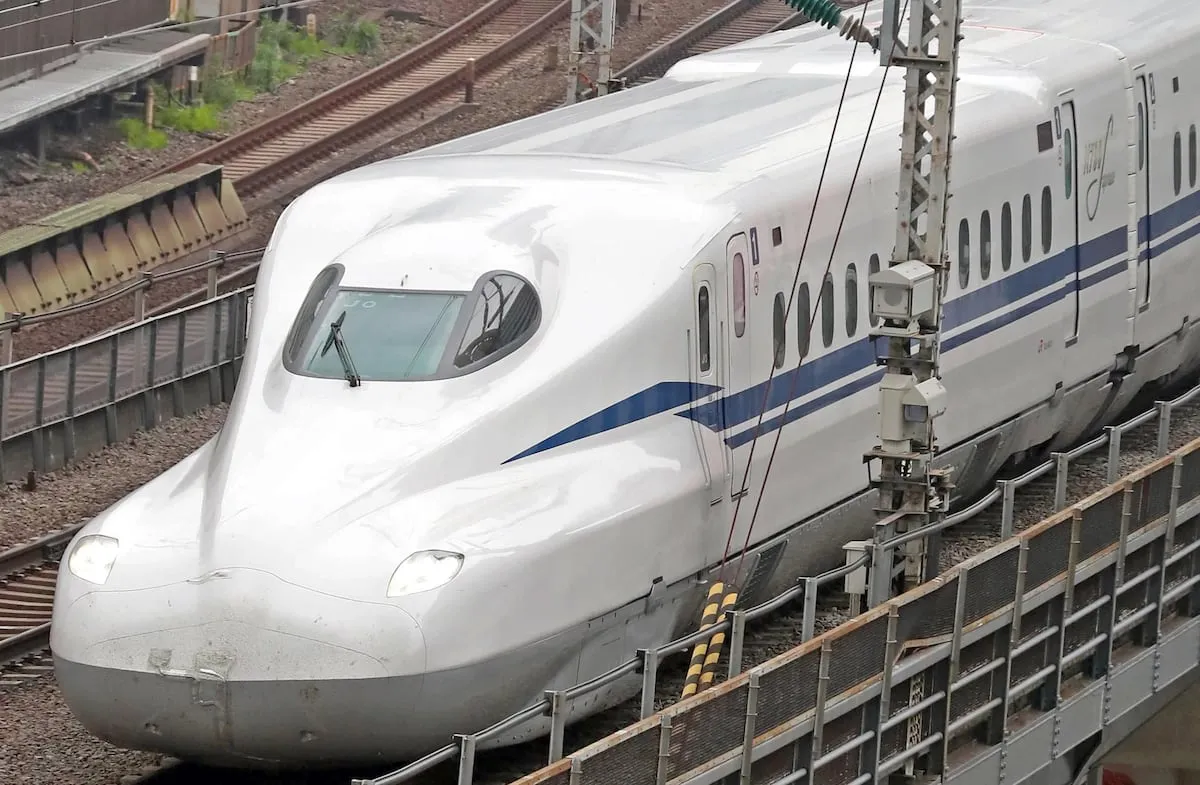
Shinkansen fare increases announced
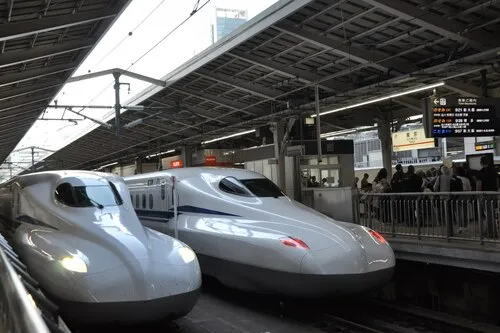
JR Central, JR West and JR Kyushu have announced fare increases for selected Shinkansen services, marking a significant change for passengers using Japan’s high-speed rail network. From tickets purchased for travel on or after July 1, 2027, ordinary reserved-seat express surcharges will rise on the Tokaido and Sanyo Shinkansen services operated as “Nozomi,” as well as on the Sanyo and Kyushu Shinkansen “Mizuho” services.
Green Car charges will then increase for journeys taken from December 15, 2027. The railway companies say the revisions are necessary because inflation has increased the cost of maintaining safety, infrastructure and passenger services.
Reserved seats to rise, unreserved fares unchanged
For the popular Tokyo–Shin-Osaka route, the ordinary reserved-seat surcharge will increase by 700 yen each way. On the Shin-Osaka–Hakata route, the increase will be 280 yen. The same changes will apply to major online booking services, including Express Reservation, SmartEX and LINEからEX.
Under Express Reservation, for example, the total fare for an ordinary reserved seat between Tokyo and Shin-Osaka will rise from 14,230 yen to 14,930 yen. The exact amount passengers pay can vary depending on the booking service, travel period and ticket conditions, but the announced increase will be reflected across the relevant reservation systems.
Importantly, ordinary unreserved-seat fares will remain unchanged. This means passengers who are willing to travel without a guaranteed seat will retain a lower-cost option. The policy appears designed to place an additional charge on the convenience and certainty of a reserved seat while preserving an affordable alternative for price-conscious travelers.
Green Car charges face a much larger increase
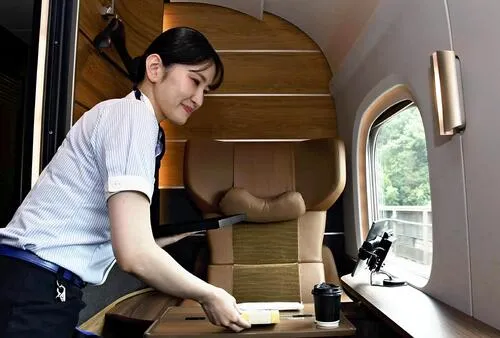
The more substantial revision concerns Green Car pricing. Green Cars are Japan’s premium Shinkansen cabins, offering wider seats, quieter surroundings and a more comfortable travel environment than ordinary cars. The charges have remained largely unchanged for many years, apart from adjustments linked to consumption-tax changes.
From December 15, 2027, the Green Car charge will increase according to travel distance. For journeys of up to 100 kilometers, the charge will rise by 800 yen to 2,100 yen. The charge for up to 200 kilometers will increase by 1,700 yen to 4,500 yen, while journeys of up to 400 kilometers will rise by 2,510 yen to 6,700 yen.
For distances of up to 600 kilometers, the new charge will be 8,400 yen, an increase of 3,000 yen. The charge will rise to 10,400 yen for journeys of up to 800 kilometers and to 12,300 yen for journeys of 801 kilometers or more.
What passengers will pay
Including the basic fare, express surcharge and Green Car charge, a one-way adult journey in a Nozomi Green Car during the regular season will cost 18,050 yen between Tokyo and Nagoya, an increase of 3,090 yen. Tokyo–Shin-Osaka will rise to 23,290 yen, up 3,700 yen, while Tokyo–Hiroshima will cost 32,390 yen, an increase of 5,370 yen. The new total for Shin-Osaka–Hakata will be 26,170 yen, up 4,080 yen.
The reserved-seat increase is particularly notable because it will be the first regular, year-round increase in the Tokaido Shinkansen’s reserved-seat express surcharge since the privatization of Japanese National Railways, excluding consumption-tax increases and seasonal pricing measures. It will also represent the first such increase in approximately 40 years.
Balancing costs and passenger expectations
For overseas visitors, the Shinkansen remains one of the most convenient ways to travel between Japan’s major cities, connecting airports, business centers and tourist destinations with frequent, punctual services. The fare changes will raise travel costs, especially for travelers choosing premium seating on longer routes. However, the decision to leave unreserved fares unchanged gives visitors and residents another way to manage expenses.
The rail operators are also expected to continue investing in onboard comfort and station services. New seating and dedicated waiting areas are among the improvements being introduced around premium travel offerings. The changes are likely to prompt debate among passengers, with some welcoming better services and others questioning whether the higher prices are justified. For travelers planning future trips, checking the latest fares and booking conditions before departure will be increasingly important.