Nozomi fares to rise for the first time in decades
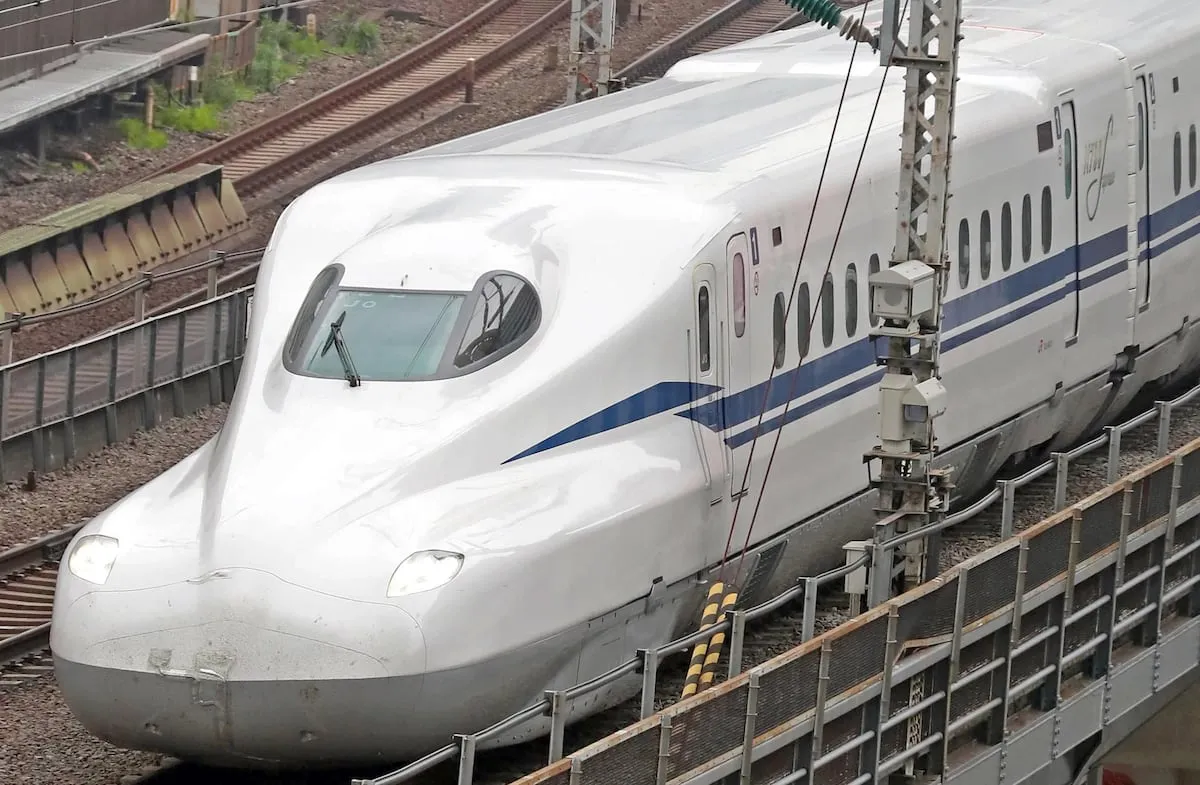
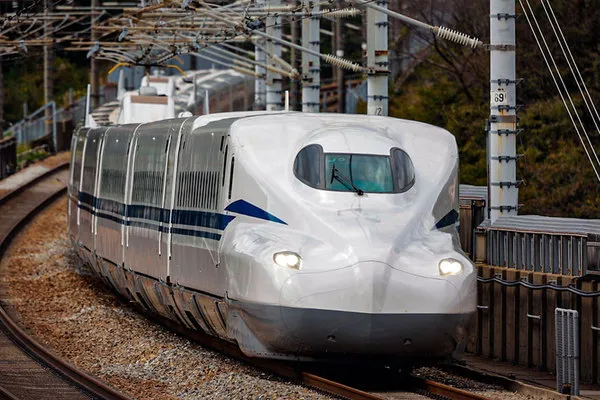
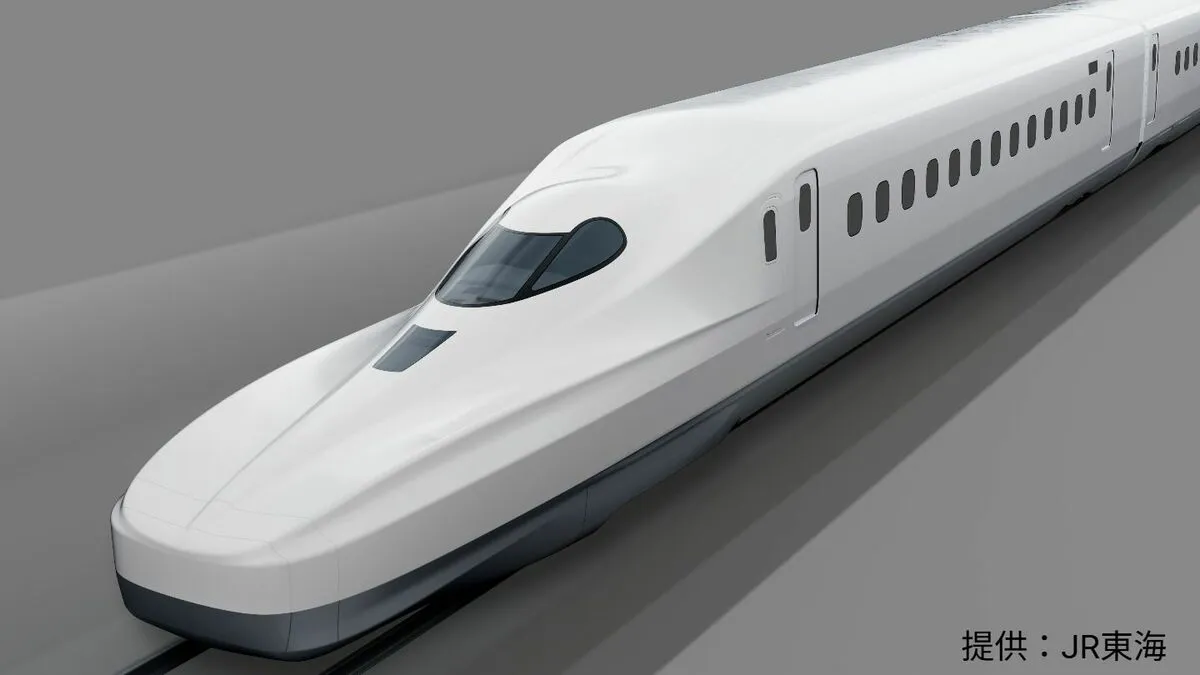
Central Japan Railway Company, known as JR Central, and West Japan Railway Company, or JR West, announced on the 16th that fares for the Tokaido and Sanyo Shinkansen services Nozomi and Mizuho will increase for tickets purchased from July 2027.
The planned adjustment marks a significant change for travelers using Japan’s most prominent high-speed rail corridor. JR Central said the increase will be the first fare rise for the Tokaido Shinkansen Nozomi service since its introduction in 1992, excluding increases linked to national consumption tax changes.
Tokyo–Osaka ticket to cost 15,420 yen
For an ordinary-class reserved seat, the fare between Tokyo and Nagoya will increase by 580 yen to 11,880 yen. The Tokyo–Shin-Osaka fare will rise by 700 yen to 15,420 yen.
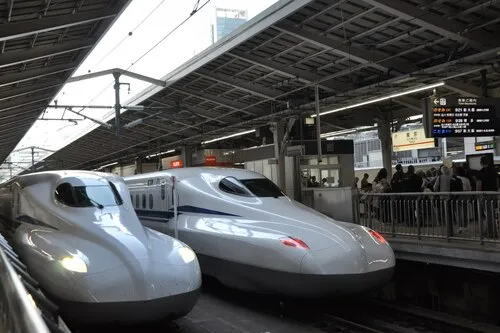
The Tokyo–Shin-Osaka route is one of Japan’s busiest intercity travel links, connecting the capital with Osaka in roughly two and a half hours on the fastest Nozomi services. It is widely used by business travelers, domestic tourists and international visitors combining Tokyo with Kyoto, Osaka and other destinations in the Kansai region.
Nozomi trains generally make fewer stops than the slower Hikari and Kodama services, making them a popular choice for passengers who value speed and convenience. Mizuho trains, which operate mainly between Shin-Osaka and Kagoshima-Chuo on the Sanyo and Kyushu Shinkansen networks, are also included in the announced fare revision.
Higher costs and investment behind the move
The railway companies said the increase reflects the prospect of rising expenses caused by higher prices and the need to address aging infrastructure. Japan’s Shinkansen network is renowned for its safety, punctuality and reliability, but maintaining a large, heavily used rail system requires continuous investment in tracks, stations, rolling stock, signaling equipment and disaster-prevention measures.
Japan’s railway operators also face broader cost pressures, including energy, materials, labor and maintenance expenses. The fare adjustment is intended to strengthen earning capacity while supporting future improvements to service quality and operational resilience.
What international travelers should know
The new prices will apply to eligible tickets purchased from July 2027, meaning visitors planning trips before then will not be affected by this particular increase. Travelers should check official JR websites and ticketing platforms when booking, as prices can vary according to seat class, travel season, train type and booking conditions.
Despite the higher fares, the Shinkansen remains one of the most efficient ways to travel across Japan. Its city-center-to-city-center service can reduce the need for airport transfers, while reserved seating and frequent departures offer convenience for travelers carrying luggage or following a tight itinerary. Visitors comparing transport options may still find the train attractive when time, comfort and reliability are taken into account.
The increase is likely to renew discussion about the cost of long-distance travel in Japan, but it also highlights the continuing effort to preserve and upgrade the country’s world-famous high-speed rail system.