Japan’s Tokaido Shinkansen prepares for its next generation
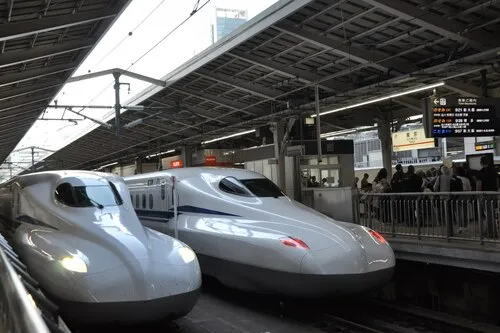
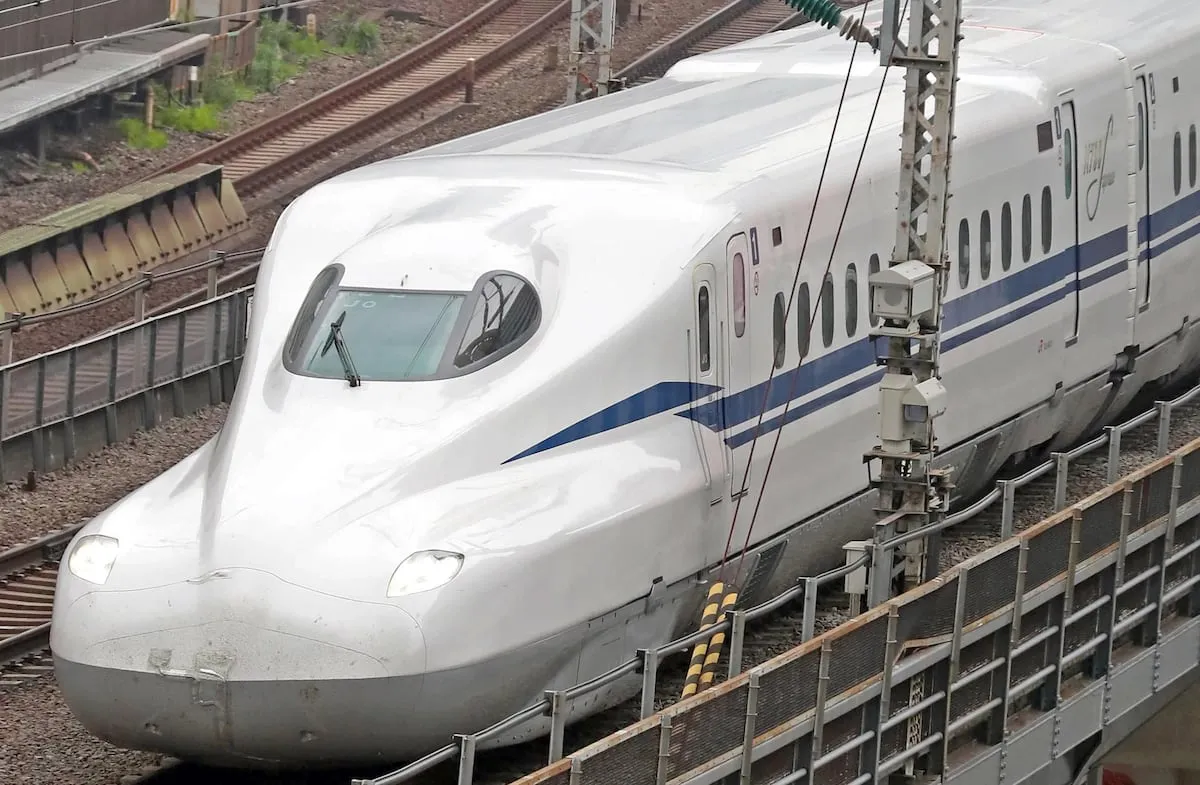
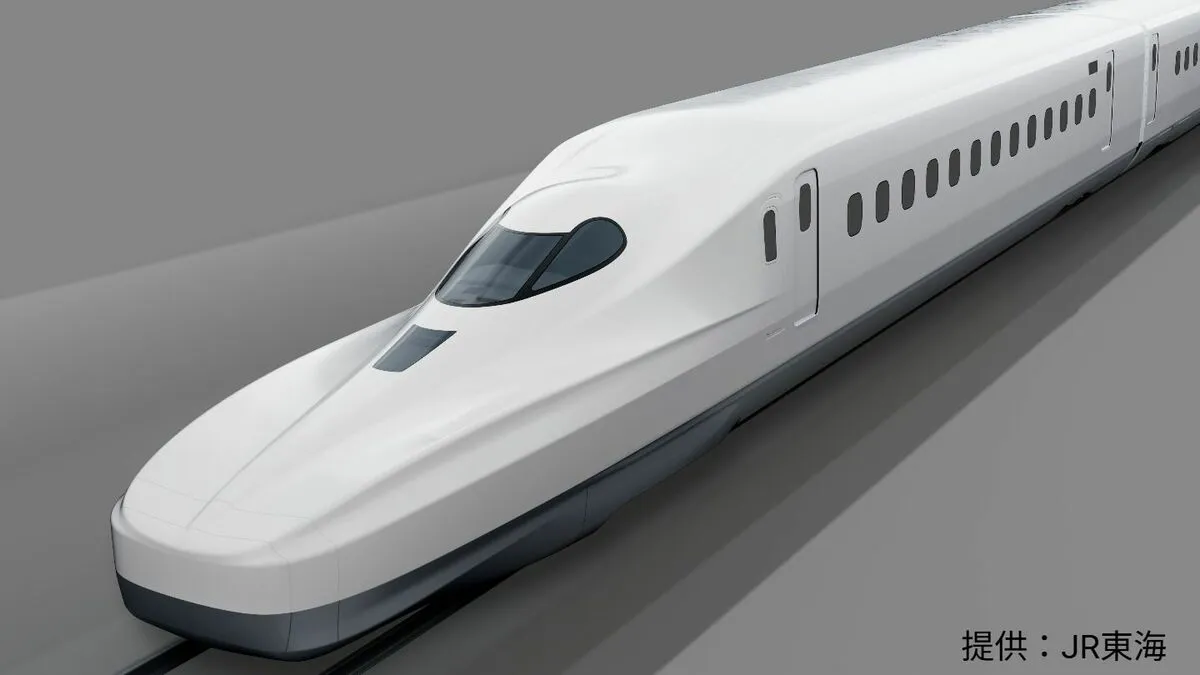
JR Central has announced plans to begin introducing its next-generation Tokaido Shinkansen train, known as the S0 series, from July 2029. The new train will become the first major new model on the line since the N700S began commercial service in 2020, marking an important step in the continued modernization of one of Japan’s most important transport routes.
The Tokaido Shinkansen connects Tokyo, Nagoya and Osaka, serving as a central transport artery for business, tourism and daily travel between eastern and western Japan. The line is known for its punctuality, high frequency and strong safety record. Its trains also carry large numbers of international visitors travelling between Tokyo, Kyoto and Osaka, making future improvements relevant to both residents and tourists.
Automatic operation system to support smoother running
According to JR Central, the S0 series will be equipped with an automatic driving system that operates the train according to a preset planned speed. The system will also receive the latest operating information when circumstances such as sudden speed restrictions occur. It can then quickly update the planned speed, helping the train respond more efficiently to changing conditions on the line.
The technology is designed to support train operations rather than remove the importance of professional railway staff. Japan’s high-speed rail network operates within a carefully managed system involving drivers, control centres, maintenance teams and advanced signalling. By using real-time information and automated speed adjustments, JR Central aims to improve operational flexibility while maintaining the reliability passengers expect from the Tokaido Shinkansen.
Faster response to earthquakes
Safety is another major focus of the new train. JR Central says the S0 series will significantly shorten the time between detecting an earthquake and beginning braking. Japan is highly experienced in preparing railway infrastructure for earthquakes, and the Shinkansen network uses dedicated monitoring systems to detect seismic activity and trigger emergency responses.
Reducing the response time could provide an additional safety advantage, particularly in a country where earthquake preparedness is an essential part of transport planning. The announcement reflects Japan’s continuing effort to combine advanced engineering with practical disaster-readiness on one of the world’s busiest high-speed rail corridors.
More privacy and convenience in Green Cars
The S0 series is also expected to offer upgraded passenger features. In the Green Cars, JR Central plans to provide seats separated by large partitions, giving passengers greater privacy during longer journeys. Some seats will also include smartphone holders and drink holders, features designed to make working, relaxing and using personal devices more convenient.
Further details, including the train’s exterior and interior design, will be considered and announced as development progresses. The introduction of the S0 series highlights how Japan’s railway operators continue to refine the passenger experience while investing in safety and operational technology. For travellers, the new train could offer a more comfortable and digitally friendly journey between Japan’s major metropolitan areas when service begins in July 2029.