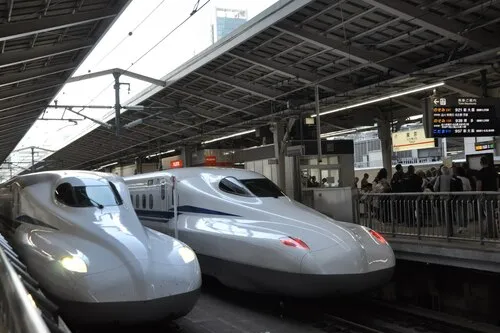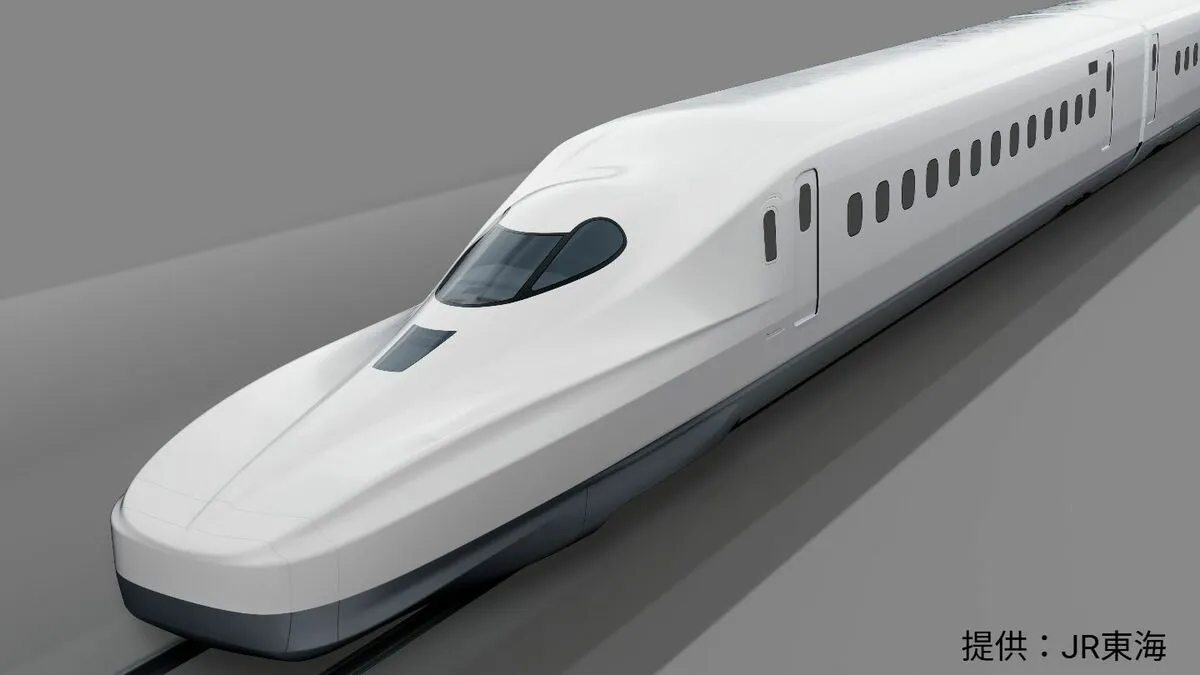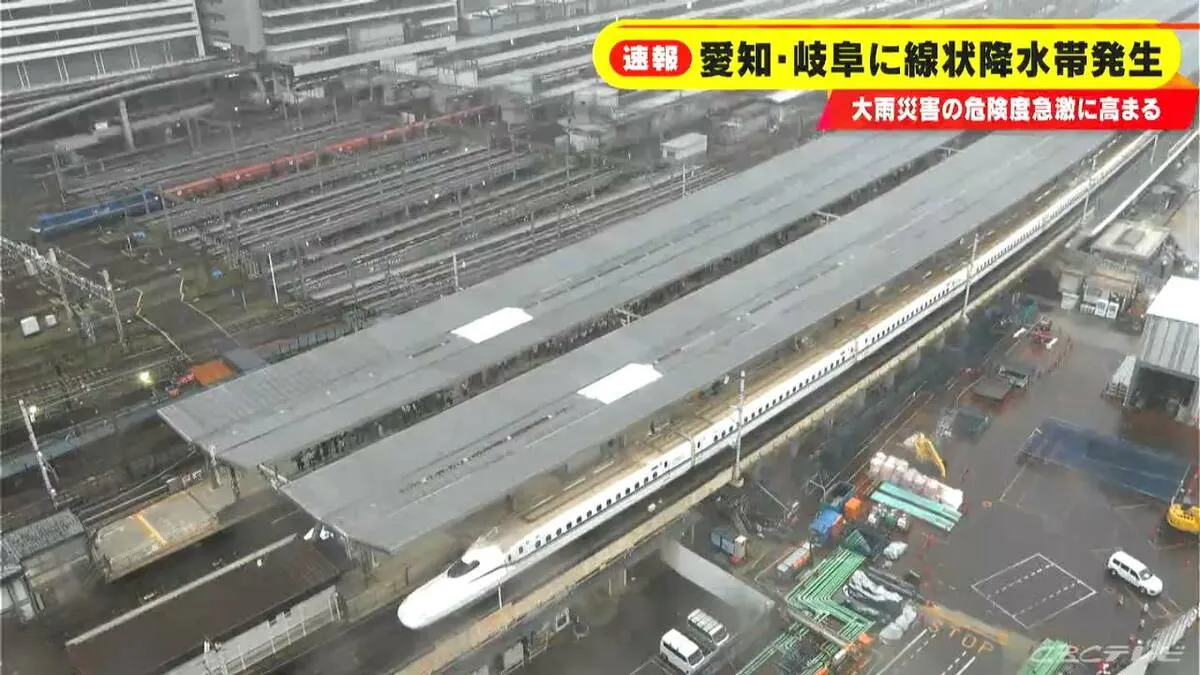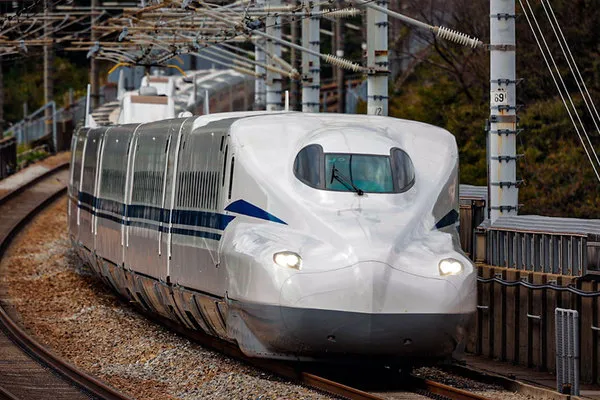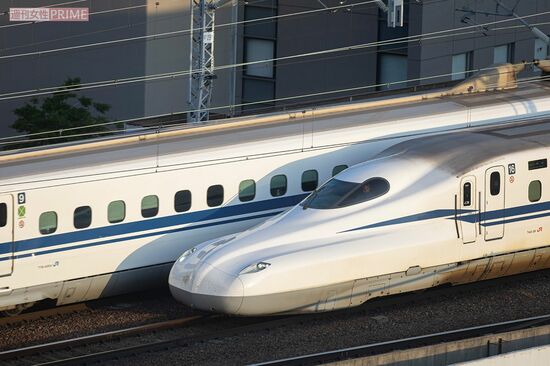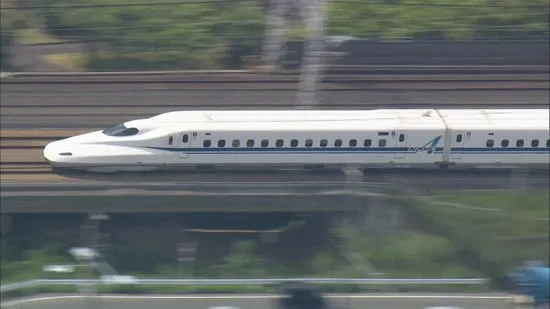
Bullet train service resumes across the Tokaido Shinkansen
The Tokaido Shinkansen has resumed operations across its entire route after heavy rain temporarily suspended services between major cities in central and western Japan. According to the latest announcement, service restarted at approximately 5:30 p.m., with the update issued at 5:35 p.m.
Before the restart, northbound—or “up”—trains were suspended between Okayama Station and Tokyo Station. Southbound—or “down”—services were halted between Tokyo Station and Nagoya Station. The disruption affected one of Japan’s most important high-speed rail corridors, linking the country’s capital with major business, industrial, and tourism centers.
Delays and timetable disruptions remain
Although trains are now operating again along the full Tokaido Shinkansen route, Central Japan Railway Company, commonly known as JR Central or JR Tokai, warned that delays and timetable irregularities remain in some sections. Travelers have been advised to check the company’s official website and other real-time information sources before departing.
Passengers should also expect that trains may operate at different intervals from the published timetable, and some services could experience further delays as the railway works to restore normal operations. Those with connecting journeys, including transfers to other Shinkansen lines or local rail services, may need to allow additional time.
Why heavy rain can affect Japan’s high-speed rail network
Japan’s railway system is widely recognized for its punctuality, but severe weather can require temporary restrictions to protect passengers and infrastructure. Heavy rain may reduce visibility, increase the risk of flooding or landslides near railway facilities, and affect trackside equipment. In such circumstances, operators may suspend services as a precaution before gradually restoring operations once conditions improve.
The Tokaido Shinkansen is particularly significant for visitors to Japan. The line connects Tokyo, Nagoya, Kyoto, and Osaka, while many services continue westward toward Okayama and other destinations. It is frequently used by international travelers visiting popular attractions such as Mount Fuji, Kyoto’s historic districts, Osaka’s entertainment areas, and Hiroshima via onward connections.
Advice for international travelers
Foreign visitors affected by the disruption should check official JR Central announcements, station information boards, and railway applications for updated departure times. Travelers should confirm whether their train is running, delayed, or subject to a changed service pattern before entering the station. It is also advisable to keep tickets, hotel reservations, and onward transportation details accessible in case plans need to be adjusted.
The resumption of service is welcome news for commuters, tourists, and business travelers, but the situation may take time to stabilize fully. Passengers are encouraged to remain patient, follow station staff instructions, and continue monitoring official updates until normal timetables are restored.