Heavy rain raises disaster risks in central Japan
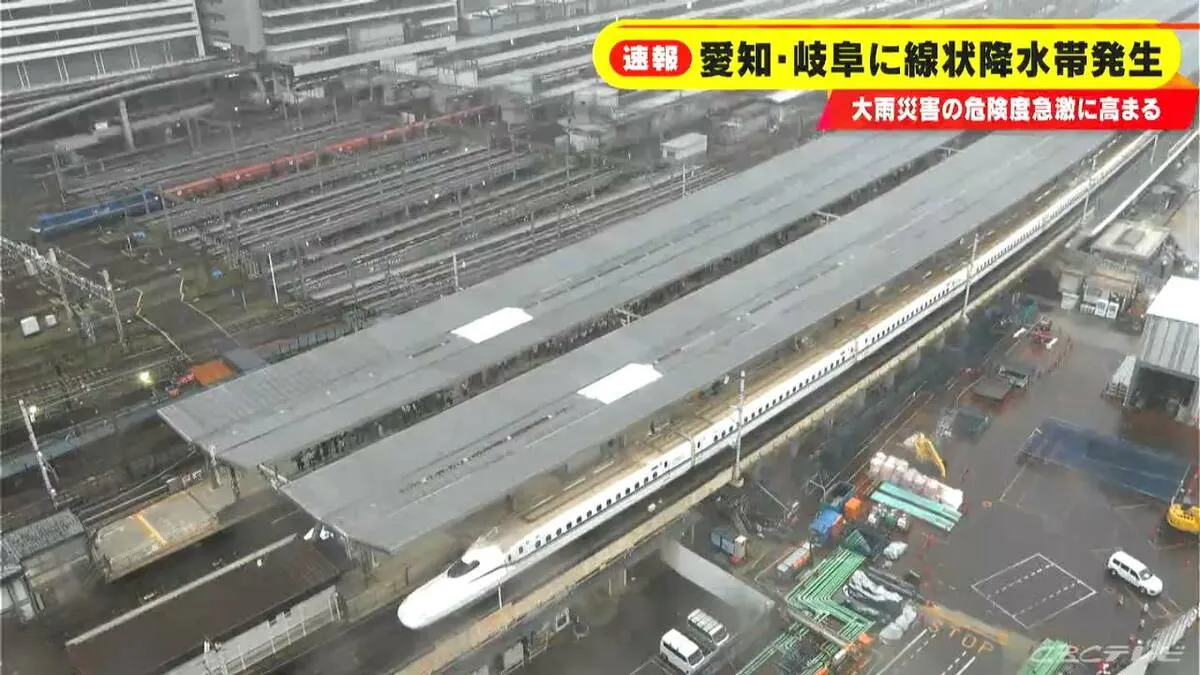
The Japan Meteorological Agency has reported the formation of a “linear rainband” over Aichi and Gifu prefectures, warning that the risk of serious flooding, landslides, and other rain-related disasters is rising rapidly. The weather system is bringing persistent and concentrated rainfall to central Japan, prompting authorities and transport operators to closely monitor conditions.
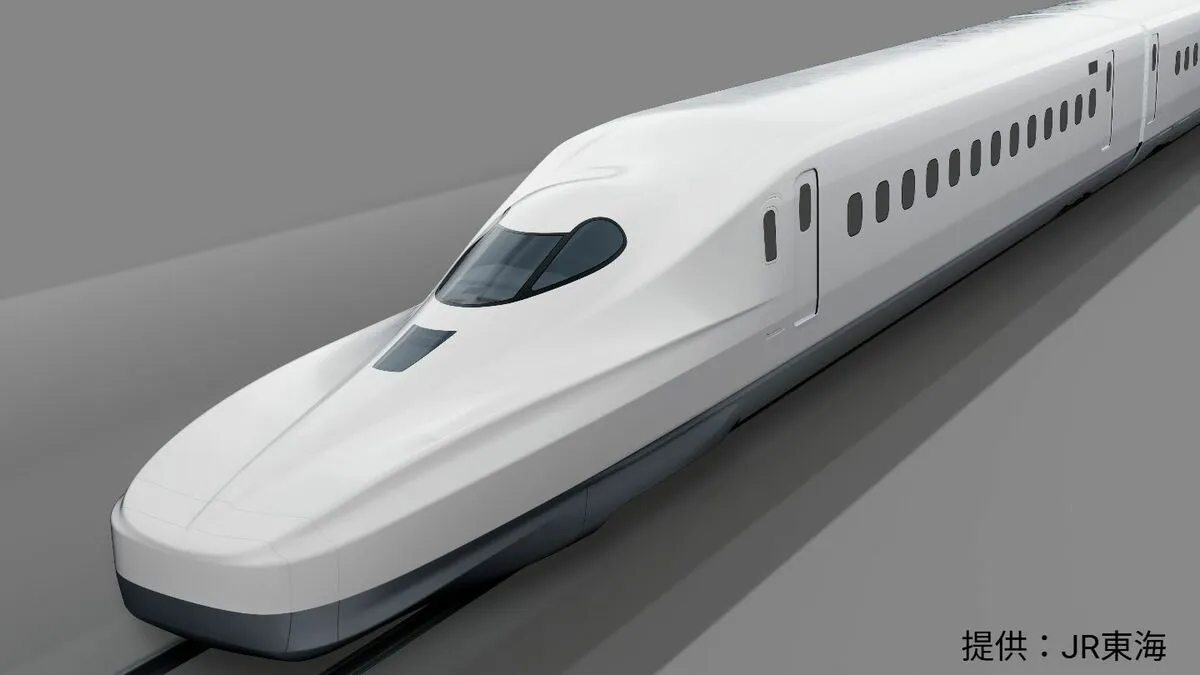
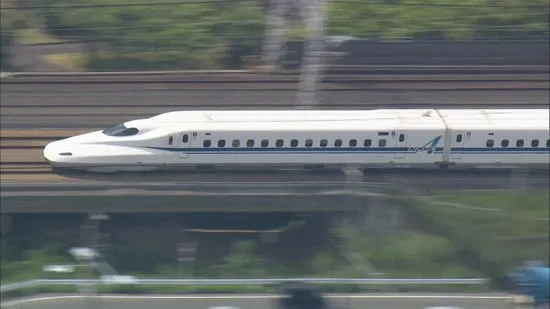
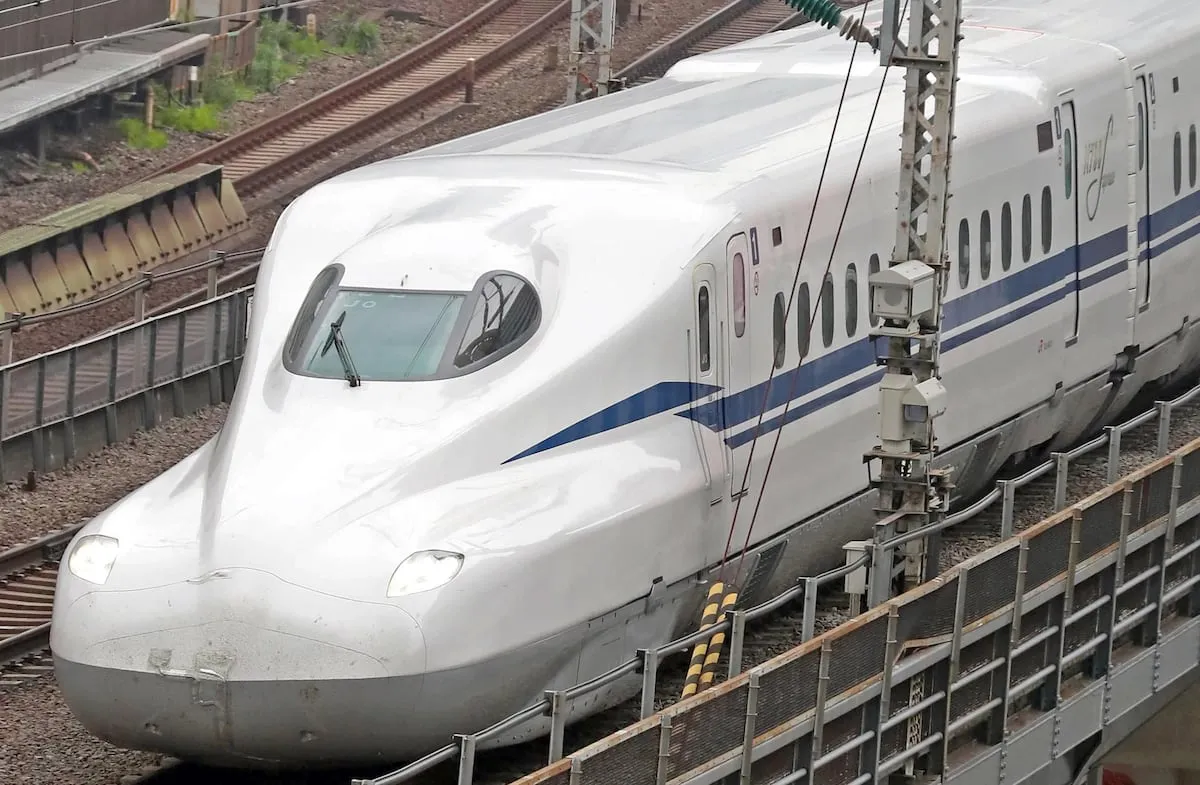
The intense rain has already disrupted railway services across the region. According to Central Japan Railway Company, commonly known as JR Central, some services on the Tokaido and Sanyo Shinkansen routes have been suspended. Upbound trains are not operating between Okayama and Shizuoka, while downbound services are suspended between Tokyo and Shin-Osaka.
Multiple conventional railway lines affected
Several conventional JR lines are also experiencing service suspensions. The Tokaido Line is suspended between Nagoya and Gifu, while the Chuo Line is not operating between Nagoya and Toki. On the Kansai Line, services between Nagoya and Kameyama have been halted.
Further disruptions have been reported on the Kisei Line between Kameyama and Tsu. The Meisho Line is also suspended between Matsusaka and Ise-Okitsu. These routes serve commuters, local residents, students, and visitors traveling through central Japan, making the interruptions significant for both daily life and regional tourism.
What a linear rainband means
A linear rainband is a narrow, elongated area of thunderstorms that can remain over the same location for several hours. Because the rain is concentrated and continuously replenished, rainfall totals can rise quickly, increasing the danger of river flooding, urban inundation, and slope failures. Japan’s mountainous terrain and densely developed communities make such weather events particularly hazardous.
For foreign residents and travelers, the term “linear rainband” may appear frequently in Japanese weather alerts as senjo kosentai. During these events, railway operations can change with little notice as companies prioritize passenger safety and inspect tracks, bridges, embankments, and surrounding infrastructure.
Travelers urged to check updates and remain cautious
Passengers in Aichi, Gifu, and surrounding prefectures should confirm train operation information through official JR Central announcements, station displays, railway apps, and Japan’s national weather and disaster information services before beginning their journey. Travelers should also allow extra time, avoid rushing toward flooded stations or roads, and follow instructions from railway staff and local authorities.
People near rivers, steep slopes, or areas listed on local hazard maps should remain alert for evacuation advisories and emergency warnings. Even after rainfall weakens, flooding and landslides may continue as water flows downstream or saturates the ground. The situation may develop quickly, and service restoration will depend on weather conditions and safety inspections.
Japan’s rail network is widely recognized for its reliability, but severe weather can require temporary suspensions to protect passengers and infrastructure. The latest disruptions underline the importance of checking real-time information during Japan’s heavy-rain season.