Paying to save time
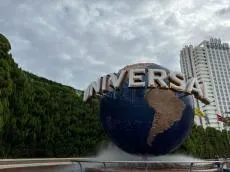
In Japan, businesses are increasingly offering customers the option to pay an additional fee for priority access, bringing the “fast pass” concept beyond theme parks and into everyday services. Popular restaurants and medical clinics are adopting these systems as more consumers place greater importance on time performance, or taipa—a Japanese term describing the value gained from the time spent.
The trend reflects a broader change in consumer behavior. For many people, paying extra to avoid a long wait is becoming an attractive choice, particularly when visiting highly popular restaurants or trying to make the most of a limited travel schedule. Businesses, meanwhile, can create a new source of revenue and use the additional income to maintain prices or improve services.
Priority entry at a popular Tokyo ramen shop
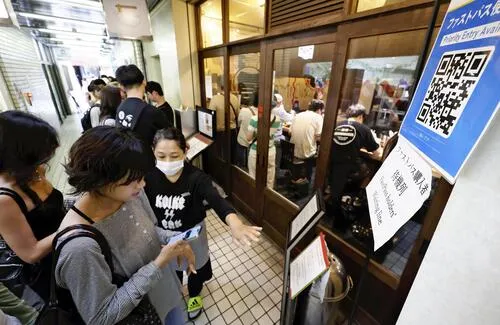
At Aidaya, a ramen restaurant in Tokyo’s Taito Ward, long lines regularly form for its widely praised tsukemen dipping noodles and kuroge wagyu sirloin rice. The nine-seat restaurant is often full on both weekdays and weekends, with peak waiting times reaching approximately 90 minutes.
The restaurant uses SuiSui, a fast-pass service designed for dining establishments. Customers pay a separate ticket fee in addition to their meal and receive priority entry. The minimum ticket price varies by restaurant but is set at 1,000 yen at Aidaya. Prices can also rise depending on demand, a system intended to manage usage without creating further frustration among customers waiting in the regular line.
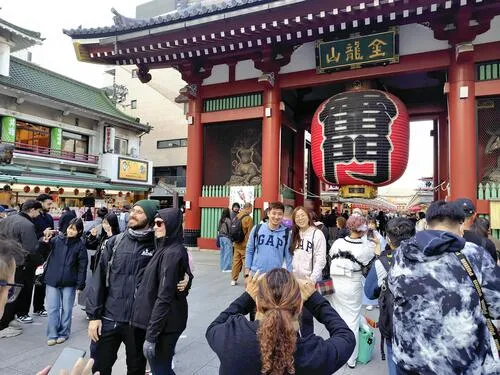
Visitors can scan a QR code displayed outside the restaurant, open the purchase page on their smartphones and pay by credit card. A 31-year-old public-sector employee from Yaizu, Shizuoka Prefecture, paid 2,000 yen for two people while making a day trip to Asakusa. He said the fast pass made it possible to enter the popular restaurant quickly while leaving more time for sightseeing.
The service is also available in English, Chinese and Korean. Two visitors from Hong Kong reportedly paid 1,500 yen each, highlighting its potential appeal to international tourists, who often have limited time to explore Japan’s busy food districts.
A new revenue stream for restaurants
Aidaya manager Kazutaka Arita said the fast-pass system provides an additional source of income at a time when ingredient costs are rising. The revenue can help the restaurant keep menu prices stable and continue services such as complimentary rice refills.
SuiSui representative Keichiro Sato said the company’s model turns waiting time into value for both customers and restaurants. After experiencing one- to two-hour waits while dining during a trip to Kyoto, Sato developed the idea of adapting the fast-pass systems used at theme parks for restaurants.
About 100 restaurants across Japan have introduced SuiSui, including a tonkatsu restaurant in Hokkaido, cafés and soba restaurants near tourist sites in Kyoto, and a steak restaurant on Ishigaki Island in Okinawa. Yabaton, a well-known Nagoya restaurant chain specializing in miso katsu, uses the system at five locations in Nagoya. The company says the service gives people who might otherwise abandon a long queue an opportunity to enjoy its food.
Fast passes reach medical care
The concept is also entering Japan’s healthcare sector. Medical technology company MICIN has offered its cashless clinic payment service, Clone Smart Pass, nationwide since 2022. The service allows patients to check in and settle payments by smartphone, and a fast-pass function was added last year.
A medical group operating clinics in Tokyo’s Meguro and Toshima wards allows patients to pay an additional 500 yen for priority consultations in departments such as internal medicine. Group director Iwao Yamashita said some patients want to be seen without waiting, although clinics cannot simply change the order of consultations at will. He suggested that the option could make visits more convenient, while its operation must still respect medical needs and appropriate clinical judgment.
Japan’s growing focus on time efficiency
The demand for time-saving services is reflected in the Seiko Group’s “Time White Paper 2026.” In an online survey of 1,200 people aged 15 to 69 across Japan, supplemented by 200 high school students, 65.8 percent said the idea of prioritizing time efficiency had become established in society.
The most commonly identified time consumers were theme-park queues, followed by lines at popular restaurants and browsing social media or the internet. Overall, 32 percent said they had paid money to shorten their waiting or other time-consuming activities. Among people in their 20s, the figure rose to 47.5 percent.
Professor Makoto Ichikawa of Chiba University, who supervised the survey, said interest in time-saving services is increasing. For consumers who believe a particular product is worth paying for—or who want to visit a popular establishment without standing in line—the fast-pass model offers a compelling option. As Japan continues welcoming both domestic travelers and international tourists, paid priority access may become a more visible part of the country’s restaurant, tourism and healthcare landscape.