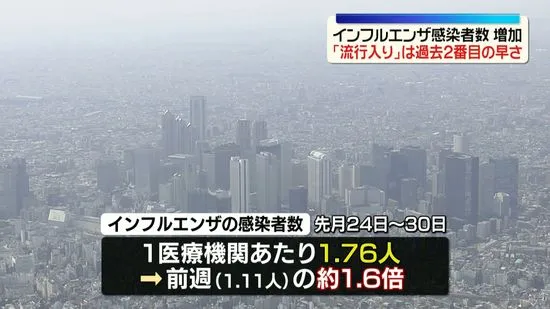
Japan signals an unusually early start to flu season
Japan’s Ministry of Health, Labour and Welfare (MHLW) reports that the nation has entered flu season at the second-earliest pace since records under the current legal framework began in 1999. In the week spanning the 24th to the 30th of last month, designated sentinel clinics across the country recorded an average of 1.76 influenza cases per medical institution. That is roughly 1.6 times higher than the previous week, which had just crossed the key “epidemic threshold” of 1.0 case per reporting site.
Where cases are rising fastest
While cases are increasing nationwide, regional differences are clear. Okinawa Prefecture currently reports the highest activity, with 8.50 cases per clinic—well above the epidemic threshold. Iwate follows at 4.33, and Niigata at 3.58, signaling a broad-based uptick from north to south. These figures come from Japan’s sentinel surveillance network, where a fixed set of clinics and hospitals report weekly case totals to track trends consistently over time.
What “epidemic threshold” means in Japan
Japan uses a long-established sentinel surveillance system for common infectious diseases, including seasonal influenza. Because the same clinics report consistently, experts can compare week-to-week trends reliably. The benchmark of one case per sentinel site is the sign that community transmission is accelerating enough to consider the country “in an epidemic phase.” Crossing 1.0 typically precedes a further rise in cases, prompting timely public guidance.
Why the early start—and what to expect
Japan usually sees influenza rise in late autumn with peaks in winter, often between January and February. However, some regions, particularly subtropical Okinawa, can experience earlier waves. Factors such as climate, the return to school and workplaces after summer, and increased domestic and international travel can all contribute. This season’s second-earliest start since 1999 suggests a more front-loaded curve, though the eventual peak will depend on vaccination uptake, public behavior, and circulating strains.
Guidance from health authorities
The MHLW is urging renewed attention to basic, proven measures—especially for older adults and people with underlying medical conditions, who face higher risks of severe illness. Authorities recommend frequent handwashing, proper cough etiquette, masks in crowded indoor settings, and adequate ventilation. These steps, widely understood and practiced in Japan, help curb transmission in households, schools, offices, and on public transport.
Practical tips for residents, students, and visitors
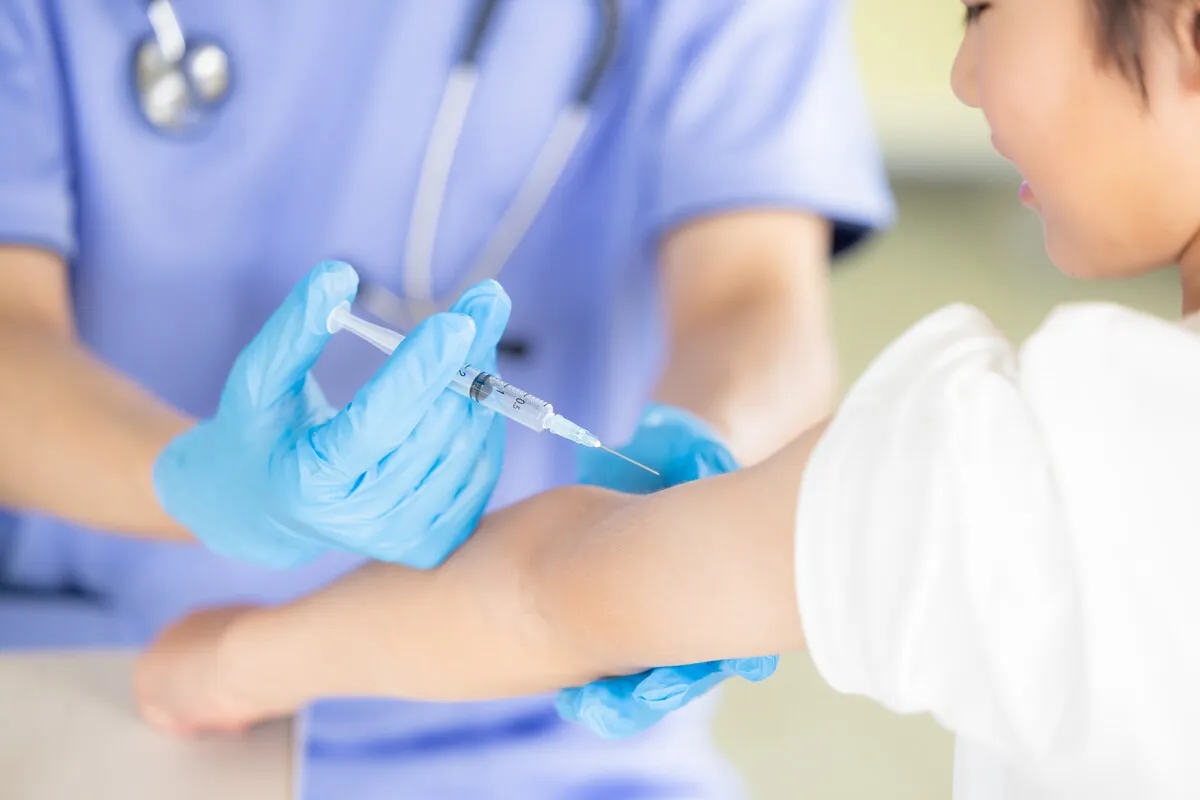
- Consider scheduling seasonal influenza vaccination as supplies become available; many municipalities offer subsidies for seniors.
- Monitor prefectural health websites for local updates, school notices, and clinic guidance.
- If you develop fever or sudden onset of cough and fatigue, rest, hydrate, and consult a clinic—especially if you are high-risk.
- At workplaces and schools, stay home when ill to protect colleagues and classmates—common practice in Japan’s public health culture.
- Travelers and new residents should note that many clinics accept same-day visits for flu-like symptoms; bring ID and insurance card.
Japan’s strengths: transparent data and community-minded response
Japan’s early detection reflects a robust, transparent reporting system and a public tuned to seasonal health advisories. The combination of clear thresholds, weekly national updates, and community adherence to preventive habits has repeatedly helped the country flatten winter waves. While this year’s early surge warrants caution, it also allows time for individuals, schools, and businesses to plan—an advantage that supports both daily life and the steady flow of tourism and international study and work in Japan.
What to watch next
Health authorities will keep tracking week-by-week changes, with particular attention to regional hotspots like Okinawa. If indicators continue to rise, expect reinforced reminders on vaccination timing and prevention. For now, consistent measures—hand hygiene, masking in crowds, and good ventilation—remain the best tools to keep Japan’s communities, classrooms, and workplaces moving safely through an early-start flu season.
A video update from the ministry is available on the MHLW website.