Japan’s leading electronics retailer Edion has updated its official Instagram account with a timely consumer advisory: when your smartphone gets too hot, resist the urge to cool it with an ice pack or by putting it in the fridge. The company’s explainer video, posted by August 30, lays out what causes phones to overheat, why abrupt chilling is risky, and what safer steps to take instead—a message resonating widely with users in Japan during a sweltering summer.
What’s making phones overheat?
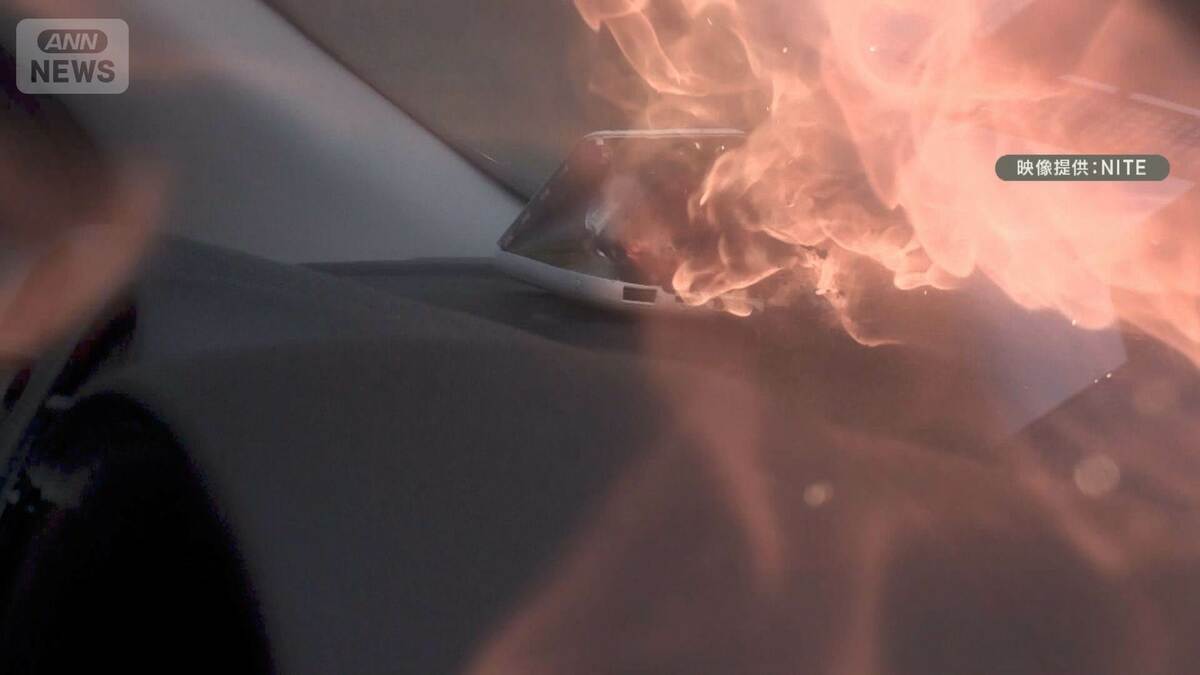
According to Edion, smartphones are especially prone to heating up in hot weather when used under high temperatures, left in hot places, or used intensively while charging. In these conditions, devices may shut down to prevent “thermal runaway,” batteries can degrade faster, performance can throttle, and in the worst-case scenario, components may fail. For residents, travelers, and expats navigating Japan’s humid summer and urban heat islands—from Tokyo’s busy streets to Kansai’s commuter trains—these triggers are commonplace: streaming navigation, taking photos in direct sun, mobile payments, and gaming on the go all add thermal load.
Don’t do this: Cold shock and condensation
Edion stresses two big “don’ts”: never put a hot phone in the refrigerator or freezer, and never press ice packs directly against it. Rapid cooling can cause internal condensation as moisture forms inside the device, potentially shorting circuits and corroding components—even on water‑resistant models. The mismatch between the cold exterior and warm internals can also stress materials and seals. In short, sudden temperature swings and moisture are a dangerous combo for modern electronics.
Do this instead: Safe, simple steps
- Move the phone to a cooler, shaded place and allow airflow.
- Power it off or at least close demanding apps; pause charging.
- Use purpose‑built smartphone cooling accessories available in Japanese electronics stores.
These steps help temperatures drop gradually and safely, protecting both the battery’s chemistry and the device’s long‑term reliability. Many manufacturers also advise avoiding extreme temperatures and heavy workloads while charging—guidance that aligns with Edion’s tips.
Extra prevention tips for Japan’s summer
- Remove thick cases temporarily if the phone feels hot, and keep it out of direct sun (e.g., not on dashboards or café terraces).
- Lower screen brightness, turn off 4K recording or gaming sessions, and switch on airplane mode if you only need offline features.
- Carry a small shade pouch or keep the device in a bag pocket away from heat sources.
These habits are especially useful in Japan, where smartphones are essential for transit cards, translation, mapping, cashless payments, and event tickets. A few thermal‑smart practices can prevent mid‑journey shutdowns and protect precious travel photos.
Public reaction: “I was using ice packs—won’t do that now”
Edion’s post drew quick engagement on social media. Typical reactions included “Makes sense,” “I learned something new,” “I’ve been using ice packs,” and “I was tossing it in the freezer—stopping from today.” The conversation underscores how common but risky “quick fixes” can be—and highlights the value of Japan’s consumer‑education culture, where retailers frequently share practical, safety‑first guidance.
Why this matters
With heatwaves increasingly common across East Asia, proactive tips like Edion’s help millions of users avoid avoidable repairs and extend device life, cutting e‑waste and costs. For newcomers and visitors to Japan, it’s a reminder that small, informed choices—cooling gradually, pausing intensive use, and leveraging widely available cooling accessories—can keep your phone dependable through peak travel and festival seasons. The bottom line: don’t shock your smartphone with cold; cool it the smart, steady, Japan‑tested way.