KDDI’s counterintuitive win: Higher prices, lower churn
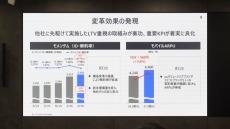
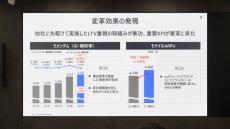
KDDI has delivered a rare feat in telecoms: it raised prices and still saw customers stay. In its results for the first quarter of the fiscal year ending March 2027 (April–June 2026), the Japanese operator reported that the smartphone churn rate fell to 1.17%, down 0.06 percentage points year on year and sharply lower than the 1.48% spike recorded in the previous January–March quarter. Active smartphone subscriptions increased by 390,000 to 33.3 million. Mobile ARPU rose to 4,400 yen, up 160 yen (3.8%), supported by plan migrations toward higher-value tiers. The performance comes roughly one year after KDDI introduced the au Value Link Plan (June 2025) and raised monthly fees for select existing plans, including Unlimited MAX+ and the au “Money Activity” Plan+ (August 2025).
Volatility tamed after a seasonal churn spike
Churn in Japan often fluctuates with life events such as graduation and job changes in spring. KDDI’s quarterly readings reflected that pattern: 1.23% in April–June 2025, 1.21% in July–September, 1.23% in October–December, and a jump to 1.48% in January–March 2026. The swift recovery to 1.17% in April–June 2026 underscores a successful retention push during and after a price adjustment cycle—no small task in a market renowned for exacting consumer standards.
From subsidy wars to customer lifetime value
KDDI’s pivot is clear: move away from aggressive device subsidies and short-term promotions toward building lifetime value (LTV). President Hiroji Matsuda credited “the tenacity of our frontline sales” for executing a significant structural shift that goes well beyond merely declaring an end to the “promotional cost competition.” Rather than chasing every new activation with handset discounts, KDDI is deepening relationships—encouraging customers to stay longer and adopt richer bundles like the au Value Link Plan and the Komikomi Plan Value. The result is visible in ARPU expansion alongside falling churn—two metrics that rarely improve in tandem after a price rise.
Three brands, one ecosystem: au, UQ mobile, and povo
au: Premium stickiness—and upgrades from value tiers
KDDI reports that the net flow between flagship au and value brand UQ mobile improved by 170,000 contracts year on year. In simple terms, more customers are remaining with au—or moving up from UQ mobile to au—than before. This “laddering” is anchored by network quality. KDDI’s 5G Standalone (SA) population coverage surpassed 90% as of March 2026, while the “au 5G Fast Lane” experience booster has attracted over 3.1 million cumulative users. Meanwhile, au Starlink Direct has begun overseas roaming in the United States and Canada, with plans to expand to four countries within the year—useful for travelers and business users who cross borders.
UQ mobile: Smart value with perks
On June 25, UQ mobile launched the “UQ Komikomi Otoku-wari,” a value bundle that pairs the 35GB Komikomi Plan Value with perks from the au PAY Gold Card. The impact was immediate: selection of the Komikomi Plan Value roughly doubled (about 2.1 times), and Gold Card uptake climbed around 1.6 times. The offer illustrates KDDI’s approach—use integrated benefits and finance tie-ins to create value, not just headline discounts.
povo: Digital flexibility to prevent churn-out
While KDDI did not disclose new povo figures in this update, the digital, add-on-centric brand remains the entry point for cost-conscious or light-data users. By keeping budget seekers within the group—rather than losing them to rivals—KDDI preserves optionality: customers can move up to UQ mobile or au as their needs change, reinforcing the ecosystem and supporting lower overall churn.
Why this matters—especially for foreigners in Japan
Japan’s mobile market is globally admired for reliability and dense coverage, supported by consistent investment from major carriers. For newcomers, students, and expats, KDDI’s three-brand ladder offers clear choices: povo for flexible, low-commitment starts; UQ mobile for mainstream value with sizable data; and au for premium performance and perks. The expansion of 5G SA and services like au 5G Fast Lane point to sustained quality improvements. International travelers will welcome au Starlink Direct’s overseas roaming in the US and Canada, with more countries to come—useful for trips home or regional business.
Context and outlook
Japan’s regulators have long pushed for fair competition and more transparent pricing, discouraging extreme handset subsidies. KDDI’s results suggest a maturing market where customer experience and ecosystem benefits can trump short-term discounts. With ARPU rising and churn easing, the company appears to have navigated a delicate post-price-hike period successfully. The next test will be maintaining momentum through seasonal swings and competitive moves from NTT Docomo, SoftBank, and Rakuten Mobile. For now, KDDI’s blend of network quality, financial perks, and brand segmentation offers a playbook for sustainable growth in a demanding, tech-forward market—another reminder of how Japan pairs disciplined infrastructure with user-centric innovation.