Mobile Lifesavers Face a Summer Safety Test
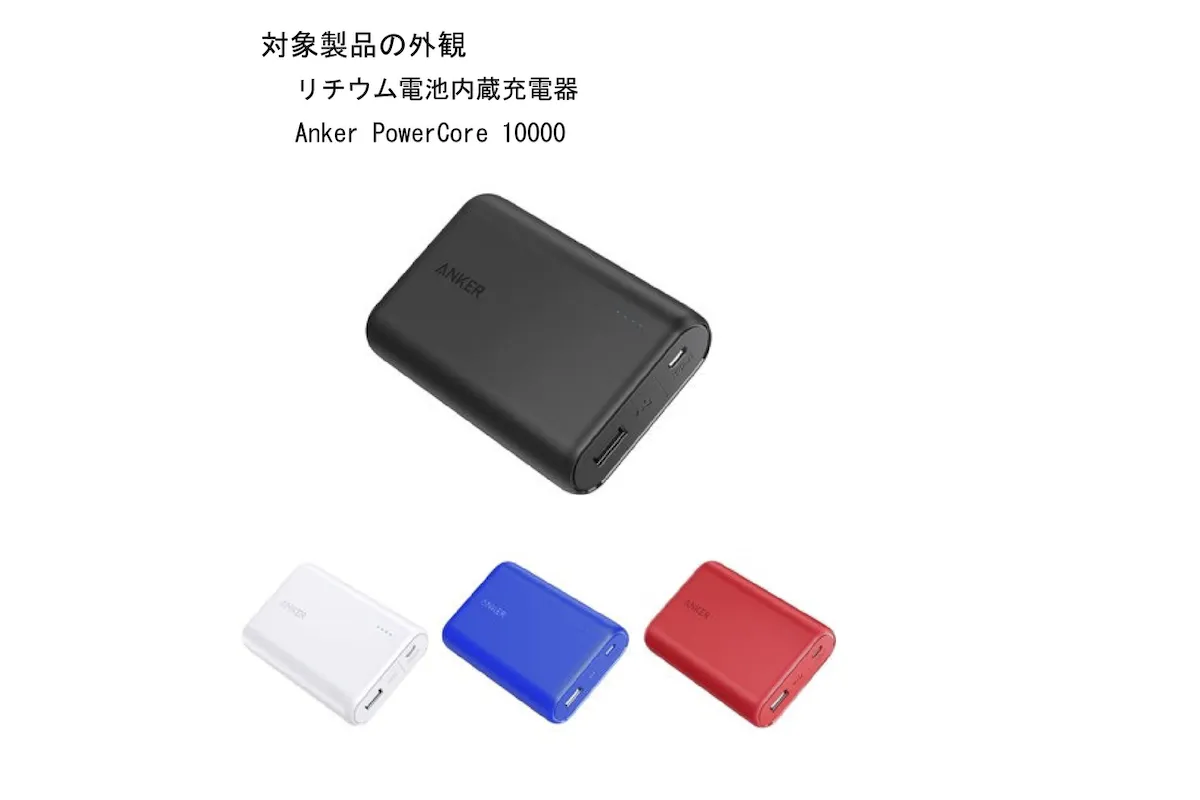
Across Japan, mobile batteries—often called power banks—have become indispensable for heavy smartphone users, gamers, commuters, and travelers. Online and in-store shelves are packed with options ranging from around ¥1,000 to well over ¥10,000, reflecting a booming market that caters to every budget. As one Tokyo homemaker in her 30s put it, “When you use your smartphone for a long time, the battery drains fast. I play games too, so I carry a power bank as much as possible.” A university student added, “I do own one. I pay attention to the brand. There are many accidents, and big makers have better guarantees and feel more trustworthy.”
Incidents Quadruple; Heat Drives Risk
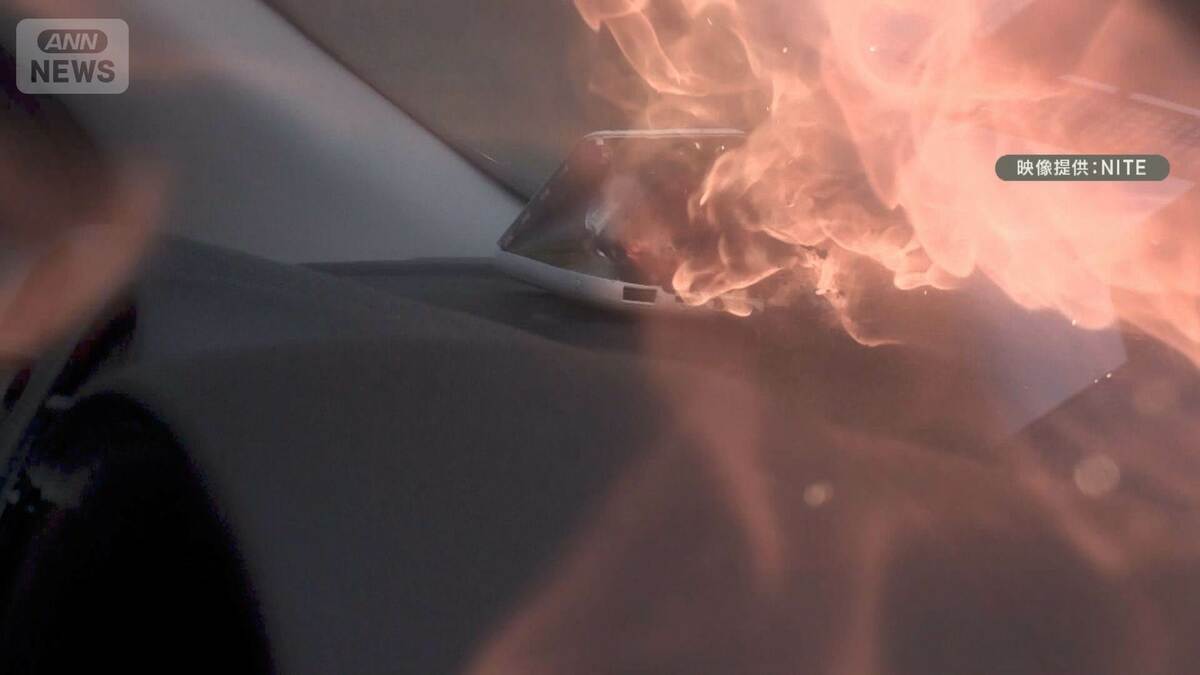
That caution is warranted. Official accident reports show 192 mobile battery incidents in Japan last year—about four times the number recorded four years earlier. Most involve lithium‑ion cells, which are efficient and compact but can fail dangerously if damaged, poorly made, or exposed to extreme heat. Authorities warn that summer is a peak risk season: cabin temperatures in parked cars can soar well beyond what batteries are designed to tolerate. In a safety test video released to raise awareness, a power bank left inside a vehicle slowly swelled before rupturing, sending flames shooting upward—a textbook case of “thermal runaway.”
‘A Vertical Pillar of Fire’ at Home
One office worker described how a power bank ignited at home about a week ago while he was working: “A vertical pillar of fire rose right in front of me and smoke went up to the ceiling. When I checked the burned items after the flames were out, it was obvious the power bank had burned in a completely different way.” He managed to extinguish the fire but suffered a minor burn on his leg, and nearby belongings were scorched. “I wasn’t using it in any extreme way. If this had happened when I wasn’t home, it’s chilling to think what might have followed. In a way, I was lucky.”
Japan’s Safety Net: The PSE Mark—and Its Limits
Japan mandates the PSE mark—short for Product Safety Electrical Appliance & Materials—to show that electrical goods meet national safety standards. Selling mobile batteries without the PSE mark is illegal under the Electrical Appliance and Material Safety Act (DENAN). For now, however, compliance for these products largely relies on manufacturer self-inspection and proper labeling, which makes informed consumer choices especially important. Even in a country known for rigorous safety culture, the sheer variety of online offerings means shoppers should verify certifications and buy from reputable retailers.
What Shoppers, Expats, and Travelers Should Know
Japan remains one of the safest places to buy electronics thanks to strong regulation and conscientious retailers. Major electronics chains, department stores, and convenience stores typically stock PSE‑marked products and honor returns on defective items. For foreign residents and visitors, this means reliable access to safe gear—provided you check for the PSE diamond or circle mark on the product and packaging. Avoid no‑name imports sold through third‑party marketplaces if the listing does not clearly show the PSE mark and proper Japanese labeling. When flying, remember airlines often restrict spare lithium‑ion batteries to carry‑on luggage only; plan accordingly. For disposal, use electronics stores or municipal collection points—never toss batteries into household waste.
Practical Tips to Stay Safe This Summer
• Don’t leave power banks in hot cars, in direct sunlight, or on dashboards. • Keep devices ventilated; avoid charging under pillows, blankets, or inside tightly packed bags. • Use the original or certified cables and chargers matched to the device’s ratings. • Stop using and safely dispose of any battery that is swollen, damaged, smells odd, or runs unusually hot. • Keep batteries dry and away from metal objects that could short-circuit them. • If a battery hisses, smokes, or overheats, unplug it (if safe), move it to a nonflammable surface, and distance yourself.
Why This Matters—and Japan’s Path Forward
Japan’s combination of clear standards, public awareness campaigns, and retailer diligence is a strong foundation for safety, even as mobile battery use grows. The recent spike in incidents is a timely reminder that consumer behavior and product choice matter as much as regulation. Expect continued education efforts, closer marketplace monitoring, and steady improvements from reputable brands as competition shifts toward safer chemistries and better battery management systems. For residents, students, business travelers, and tourists in Japan, the takeaway is simple: enjoy the convenience of mobile power—especially during a busy summer of festivals, travel, and outdoor events—but choose PSE‑marked products, treat batteries with care, and stay heat smart. That small PSE symbol can make a very big difference. (Report based on a broadcast dated August 24, 2026.)