Tokyo — Japanese paper goods leader Daio Paper, maker of the “Elleair” brand, has updated its official Instagram to demonstrate a quick, space-saving way to carry toilet paper—especially useful in emergencies and evacuation scenarios. Posted by September 4, the short video underscores a familiar message in Japan’s disaster-ready culture: you can’t predict when an earthquake or typhoon will strike, so small, practical preparations matter.
What Elleair’s video shows
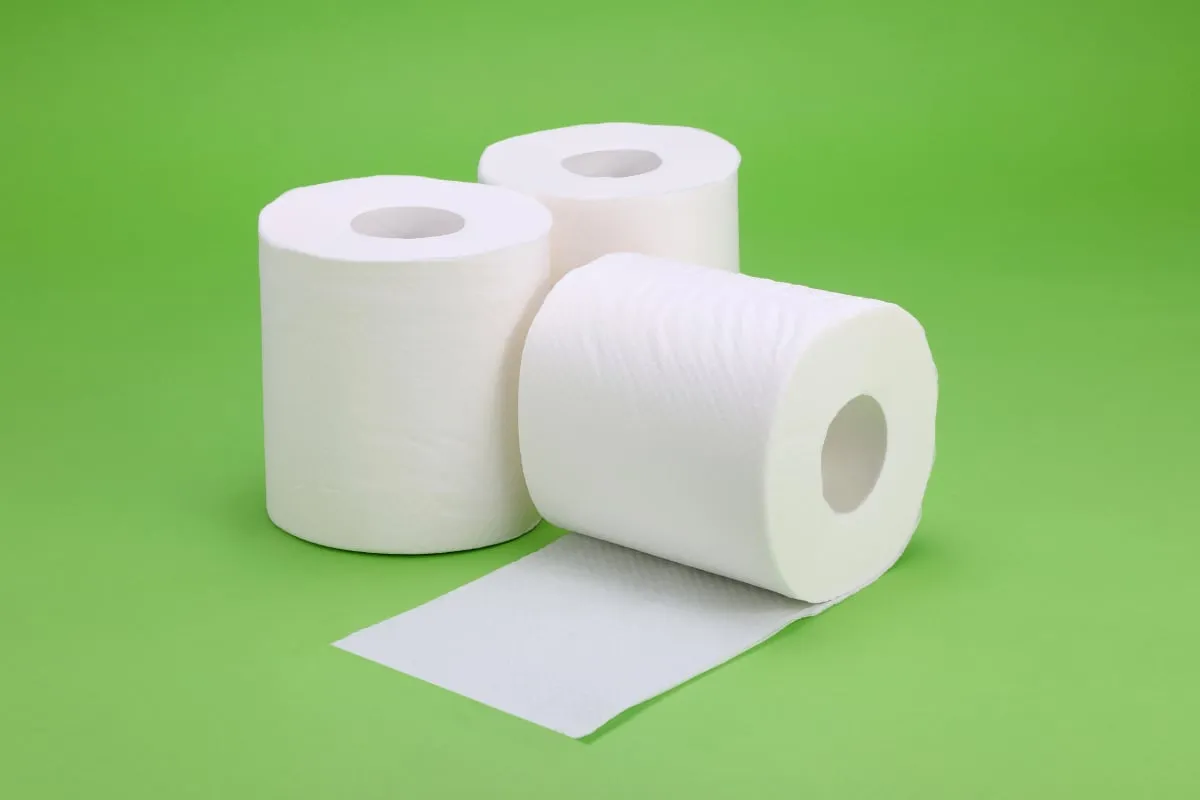
The technique turns a standard roll into a compact, center-pull pack that fits inside a zipper-sealed bag. It’s a tidy, low-cost method that reduces bulk and keeps the paper clean and dry—convenient on the move or at a shelter.
- Prepare a zipper bag at least 20 cm tall and one roll of toilet paper.
- Massage the roll firmly from the side, folding the paper slightly inward as you go to soften and compress it.
- Press the inner cardboard core inward and pinch the overlapped section.
- While gently twisting the pinched core, pull upward to remove the core entirely.
- Place the now coreless roll into the zipper bag. Seal it about 80% and press to expel air.
- Finish sealing and press down: the roll shrinks to roughly half its original volume, making it far easier to pack and carry.
When it’s time to use, simply leave the roll inside the bag and pull the paper from the center—like a portable dispenser. As Elleair notes, that makes it practical for carrying to restrooms in evacuation centers, where traffic can be high and supplies may be rationed early on.
Why this matters in Japan
Japan’s disaster preparedness ethos is shaped by hard-earned experience. The country sits at the convergence of tectonic plates, faces an annual typhoon season, and marks September 1—Disaster Prevention Day—in remembrance of the 1923 Great Kanto Earthquake. From household “go-bags” to company-wide drills, readiness is woven into daily life. A compact, protected roll of toilet paper sounds simple, but it’s exactly the kind of practical ingenuity that keeps small problems from becoming big ones.
In major events, even Japan’s famously efficient logistics can be disrupted. Evacuation centers and crowded transport hubs may run low on personal items in the first hours or days. A compressed roll inside a moisture-resistant bag maintains hygiene and dignity when it matters most—and it’s just as useful for camping, hiking, festivals, or long train journeys.
Tips for residents, newcomers, and travelers
Build a compact, Japan-ready kit
- Pair the compressed roll with travel-size wet wipes, hand sanitizer, and tissues in a second zipper bag.
- Include a small headlamp, spare battery pack, and a few high-energy snacks from any convenience store.
- Store copies of IDs and emergency contacts; keep a little cash for vending machines or transit.
Use local tools and alerts
- Download the Japan National Tourism Organization’s “Safety Tips” app for multilingual alerts on earthquakes, tsunamis, and weather.
- Check your city ward’s website for evacuation maps and shelter locations; many now offer English pages.
- Note that September often brings drills—joining in is a great way to learn how neighborhoods in Japan coordinate.
Smart, small, and very Japanese
Elleair’s post is a reminder that preparedness doesn’t have to be complicated or expensive. With a zipper bag and a few careful folds, a bulky household staple becomes a clean, portable essential—ideal for evacuation centers, family outings, or your office drawer. In a country that prizes thoughtful design and everyday problem-solving, this minimal “hack” fits right in.
Whether you’re a long-time resident or visiting for the first time, try the method now—before you need it. It’s a compact pledge to yourself: stay ready, stay calm, and carry on, the Japanese way.