Japan enters flu season in August: what’s different in 2026
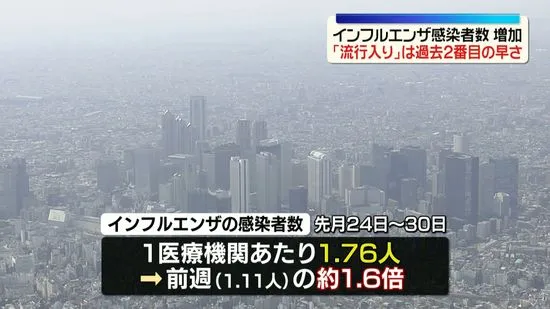
Japan’s Ministry of Health, Labour and Welfare (MHLW) announced on August 28 that influenza has officially entered nationwide epidemic levels—remarkably early for a virus that typically peaks between December and March. With temperatures still high across the archipelago, this “summer start” is an outlier that is prompting earlier-than-usual vigilance at schools, workplaces, and clinics.
How early is early?
According to national sentinel surveillance, the week of August 17–23, 2026 (epidemiological Week 34) recorded 1.11 influenza cases per designated reporting clinic. That figure exceeds the epidemic threshold of 1.00, the benchmark Japan uses to declare that community transmission has taken hold. It is the second-earliest nationwide flu season onset since Japan’s current infectious disease law came into force in 1999, trailing only 2009, the year of the A(H1N1)pdm09 pandemic. While 2023 was an anomaly with year-round circulation, August epidemics remain highly unusual. Last year’s onset occurred in late September, making this year roughly five weeks earlier.
What do we know about strains and severity?
Fumiaki Obata, M.D., an infectious disease specialist with the Japanese Association for Infectious Diseases, cautions that it is too early to declare a dominant strain for 2026. Japan’s pathogen surveillance tracks A(H1N1)pdm09, A(H3N2), and influenza B, and assessments will evolve as more lab-confirmed data arrive. Clinically, symptoms mirror classic influenza: sudden high fever, cough, sore throat, headache, muscle and joint pain, and marked fatigue. Importantly, an early start does not automatically mean the virus is “stronger” this year. As always, seniors, infants, and people with underlying health conditions should watch for complications such as pneumonia or, more rarely, encephalopathy, and seek prompt medical advice if symptoms escalate.
Should you bring forward your flu shot?
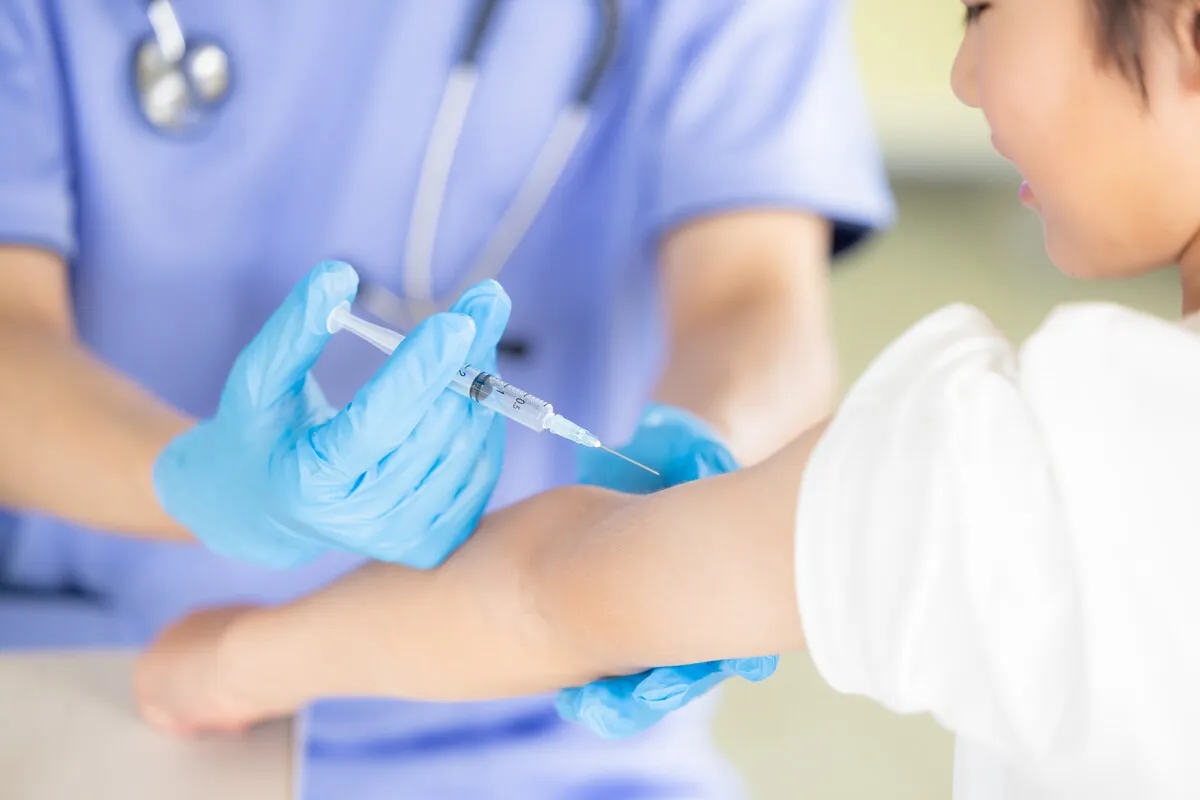
In Japan, many clinics traditionally begin seasonal influenza vaccinations in October and November. Protection typically develops about two weeks after inoculation and can wane over subsequent months. With circulation already underway in August, some individuals—especially those at higher risk or living with vulnerable family members—may wish to discuss timing with their healthcare provider. Depending on local supply and clinic schedules, earlier vaccination could be reasonable this year. That said, residents should follow municipal guidance, workplace or school notices, and their doctor’s advice to balance optimal timing with practical availability. If you plan to travel domestically during the busy autumn event and foliage season—or have children attending school and club activities—planning ahead is prudent.
Practical steps now
Japan’s everyday prevention measures remain effective: stay home if you develop fever or significant respiratory symptoms; practice thorough hand hygiene; improve ventilation; and consider masks in crowded indoor settings—especially if you live with high-risk individuals. If you fall ill, seek testing promptly. Many clinics and urgent-care facilities can perform rapid influenza diagnostics, and early antiviral treatment, when indicated by a physician, is most effective within the first 48 hours of symptoms.
For residents, visitors, and expats
Newcomers to Japan should note that “kaze” (common cold) and seasonal influenza are treated distinctly, and many clinics (“naika”/internal medicine or “shouni-ka”/pediatrics) can evaluate both. Bring your health insurance card or travel insurance documents, and consider calling ahead to confirm testing and vaccination availability. Major cities offer clinics with English-speaking staff, and municipal health portals often list multilingual options. Parents should monitor school communications; many kindergartens and schools in Japan are quick to adjust activities when flu clusters appear. If you are on a work or student visa, check whether your employer or campus health center is organizing flu shot programs this year and whether schedules will be adjusted in response to the early wave.
Why Japan spotted it fast
Japan’s robust sentinel surveillance—built on consistent reporting from designated medical institutions—enables early, transparent detection of community spread. That infrastructure, coupled with strong public awareness of seasonal infectious diseases and widespread acceptance of basic prevention habits, supports a measured, effective response. While the calendar is unusual, the toolkit is familiar: informed citizens, timely vaccination, and quick medical attention when needed. As national data mature over the coming weeks, authorities and clinicians will refine guidance. For now, an earlier-than-usual alert is a cue to act sooner, not to panic.