Nagoya investigates E. coli O157 cases linked to in-store wraps at Costco Moriyama
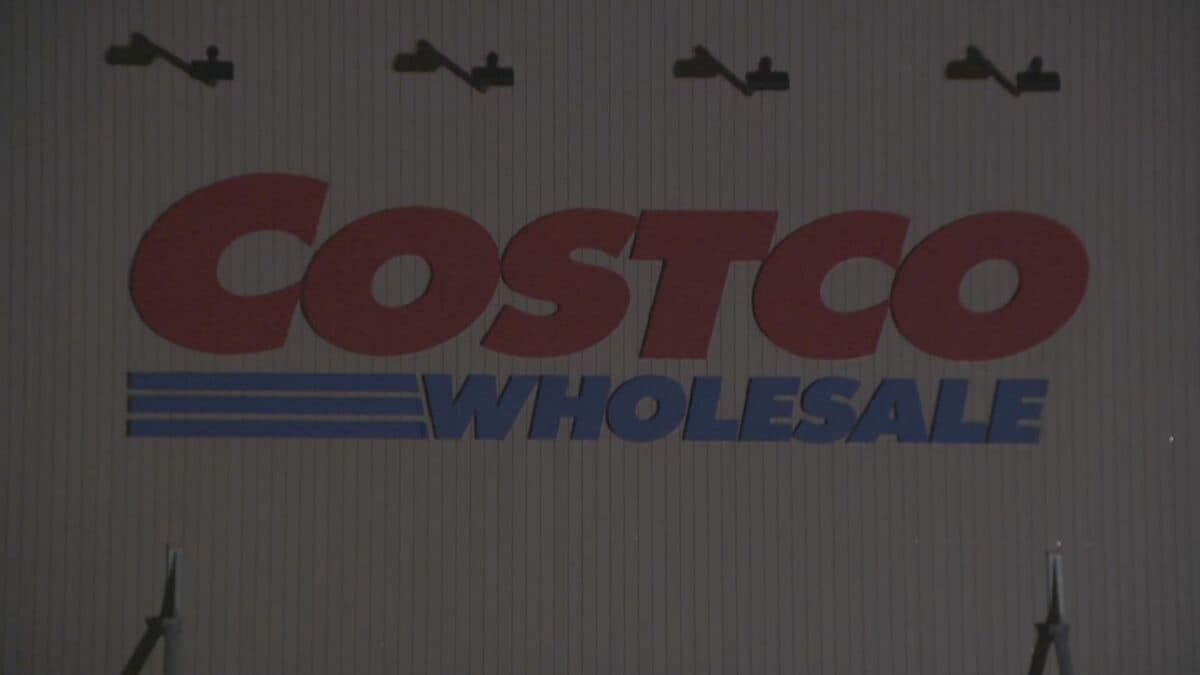
Nagoya City health authorities have confirmed a cluster of foodborne illnesses caused by enterohemorrhagic E. coli O157 among customers who ate “High Roller” wraps prepared at the Costco Wholesale Moriyama Warehouse. According to the Nagoya City Public Health Center, five people—men and women—reported symptoms such as diarrhea after consuming the popular in-store wrap at the end of last month and on the 1st of this month. Laboratory testing detected E. coli O157 in stool samples from all five patients. Three people were hospitalized at some point; two have since been discharged. A boy under the age of 10 remains hospitalized in serious condition.
What happened and what was eaten
The cases have been epidemiologically linked to the “High Roller,” a deli item assembled on site that typically features ingredients such as bacon and lettuce wrapped in a tortilla-like flatbread. The product was prepared in-store at the Moriyama Warehouse in Nagoya. Health officials are tracing the precise route of contamination and reviewing preparation steps, handling practices, and ingredient sources. While the investigation continues, authorities in Japan generally emphasize that anyone who ate the implicated item during the noted period and experiences symptoms should seek medical attention promptly.
Who is affected and current patient status
Five individuals who consumed the wraps developed gastrointestinal symptoms consistent with E. coli O157 infection. Of these, three required hospitalization. Two have already been released, while one patient—a boy younger than 10—remains in the hospital in serious condition. Health authorities have not disclosed further personal details to protect patient privacy.
About E. coli O157
E. coli O157 is a strain of bacteria that can cause severe gastrointestinal illness. Symptoms may include stomach cramps, diarrhea (which can become bloody), and vomiting. Children and older adults are more susceptible to complications, including hemolytic uremic syndrome (HUS), a rare but serious condition that can affect the kidneys. Detection of O157 in stool samples is the standard method for confirming infection. In Japan, EHEC (enterohemorrhagic E. coli) infections are notifiable, prompting immediate investigation and hygiene checks to prevent further spread.
Japan’s response: fast, transparent, and prevention-focused
Japan’s public health system is known for its rapid response and clear public communication when foodborne illnesses are detected. Local health centers coordinate inspections, trace ingredients, review sanitation protocols, and guide businesses on risk reduction. This case reflects a system that moves quickly from clinical detection to public notification, aiming to limit secondary cases and reassure consumers. For residents and visitors—especially families with children—the speed and transparency of these measures are a key reason Japan consistently ranks high for food safety and public trust.
Context for foreign residents and travelers
Costco’s membership warehouses are popular among both Japanese shoppers and the international community in Japan. The “High Roller” is a well-known deli item, making public notification especially important so that anyone who may have eaten it during the specified dates can monitor their health. While foodborne incidents do occasionally occur in every country, Japan’s strong hygiene culture, rigorous inspections, and mandatory reporting framework help contain outbreaks swiftly. The Nagoya investigation underscores that commitment. Foreign residents can follow updates from municipal health departments and, if feeling unwell after consuming the implicated product during the stated period, consult a medical provider and mention potential exposure to E. coli O157.
What to watch next
Authorities will likely release further details as they complete on-site inspections and trace-back analysis of ingredients. Findings may lead to additional guidance for retailers and consumers. For now, the confirmed link to the specific in-store wrap at Costco Moriyama provides a focused basis for the investigation and for individuals to assess their own risk. Japan’s approach—methodical, data-driven, and public-minded—aims to close information gaps quickly while maintaining consumer confidence.