Yamanashi moves to address rising risks on Mount Fuji
Yamanashi Prefecture is preparing a system that would charge certain climbers for rescue operations carried out by the prefectural disaster prevention helicopter on Mount Fuji, according to prefectural officials. The proposed policy is intended to discourage dangerous ascents during the mountain’s closed season, when weather conditions are severe and emergency support is limited.
The prefecture is aiming to begin operating the system in September next year, although the final details, including the circumstances in which fees would apply and the amount that could be charged, have not yet been announced. Officials are continuing to design the framework and coordinate with relevant authorities.
Focus on climbers who fail to submit safety information
Under the current direction, rescue costs could be charged in cases such as when a climber has failed to submit a mountain-climbing notification, commonly known in Japan as a “tozan todoke.” These notifications provide authorities with important information about a climber’s route, planned schedule and emergency contacts.
The proposed charges are not expected to represent a blanket fee for every rescue. Rather, Yamanashi is examining whether costs should be imposed when a person has disregarded established safety procedures or undertaken an especially reckless climb. The exact criteria will be important, as rescue decisions are often made under rapidly changing conditions and can involve serious risks for both climbers and emergency crews.
Why off-season Fuji climbing is particularly dangerous
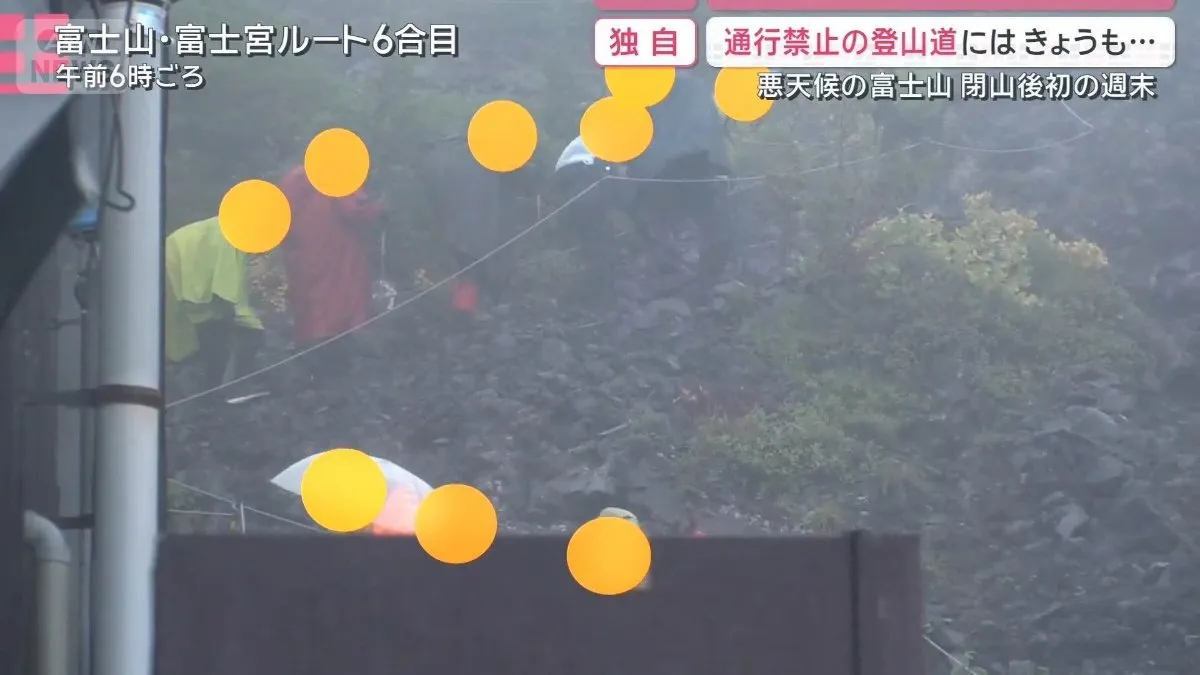
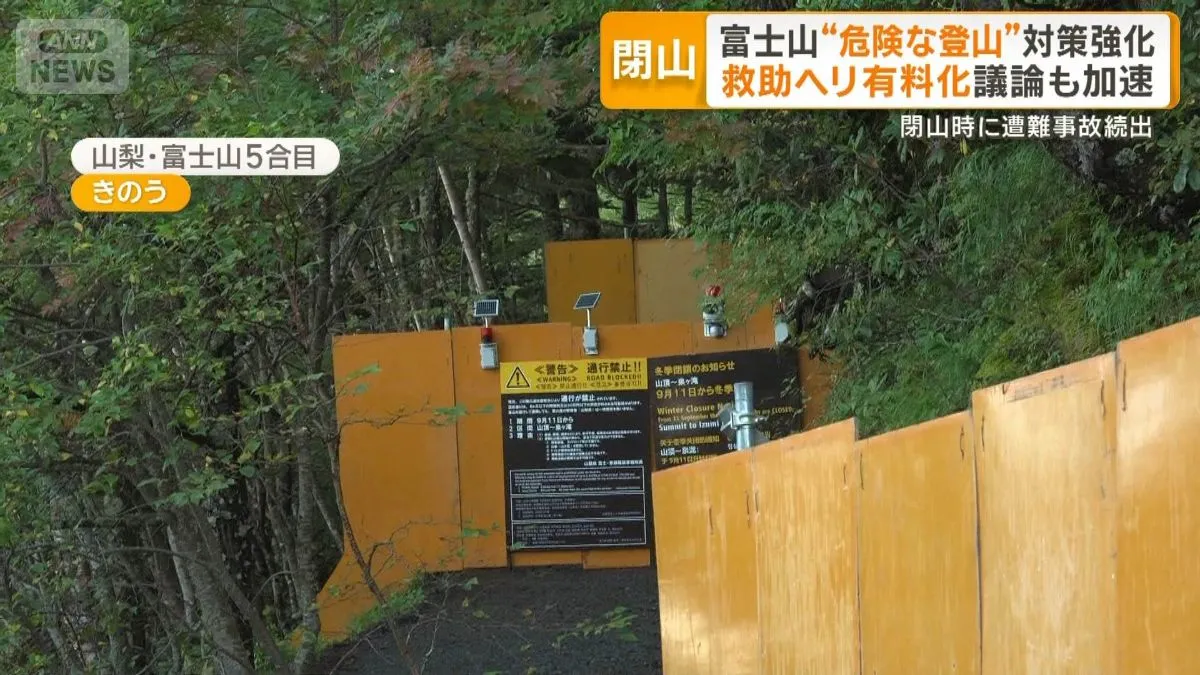
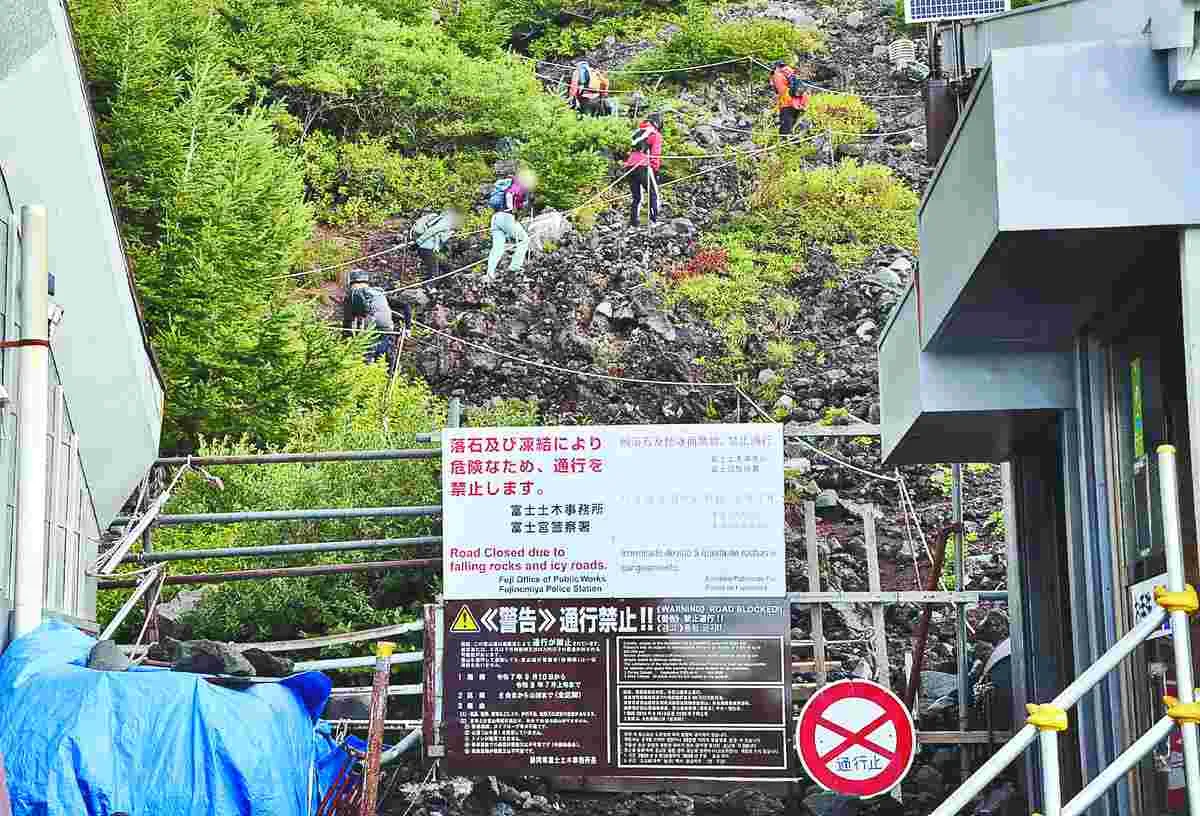
Mount Fuji is officially open to climbers each year from July 1 to September 10. Outside this period, the mountain is considered closed for regular climbing. Winter and off-season conditions can include freezing temperatures, heavy snow, strong winds, poor visibility and icy trails. Mountain huts and medical aid stations are also generally closed, leaving climbers with fewer sources of shelter and assistance.
Despite these dangers, incidents involving climbers continue to occur during the closed season. Local governments have increasingly called for stronger measures to prevent what they describe as reckless or insufficiently prepared ascents. A rescue helicopter operation can require highly trained personnel, specialized equipment and substantial public resources, while also placing rescuers in hazardous conditions.
Coordination with Shizuoka and lessons from Saitama
Because Mount Fuji straddles Yamanashi and Shizuoka prefectures, the two local governments have been discussing how to respond to off-season accidents and improve safety management. Yamanashi has also examined the example of Saitama Prefecture, which introduced a system allowing fees to be charged for certain rescue helicopter operations under a local ordinance.
The debate reflects a broader issue in Japan: how to balance public access to iconic natural sites with personal responsibility and the protection of emergency workers. Mount Fuji is one of the country’s most celebrated destinations and a UNESCO World Heritage site, attracting climbers and visitors from Japan and around the world. Authorities want to preserve that accessibility while making clear that climbing outside the official season requires careful preparation, appropriate equipment and respect for local safety rules.
Before implementation, the prefecture is expected to consider how climbers will be informed, how fees will be assessed and how unavoidable accidents will be distinguished from preventable cases. Clear multilingual guidance will also be important for international visitors unfamiliar with Japan’s mountain notification system. The planned policy is therefore likely to form part of a wider safety strategy rather than serve as a substitute for education, route management and timely emergency warnings.