Paying to spend less time in line
Across Japan, theme parks are expanding paid services that allow visitors to bypass long queues, reflecting a broader shift in how guests value time, comfort and convenience. The trend is especially visible at Tokyo Disney Resort, Osaka’s Hirakata Park and Jungleia Okinawa, where premium tickets offer faster access to popular attractions.
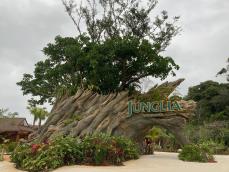
Jungleia Okinawa began selling a high-priced ticket package in August, with the cost reportedly reaching approximately 30,000 yen. The product has attracted attention because it illustrates how Japan’s theme park industry is creating a clear distinction between standard admission and enhanced experiences. While the price is significantly higher than an ordinary admission ticket, it may appeal to visitors who have limited time, are traveling long distances or want to experience as many attractions as possible in a single day.
Tokyo Disney Resort leads the paid-access shift
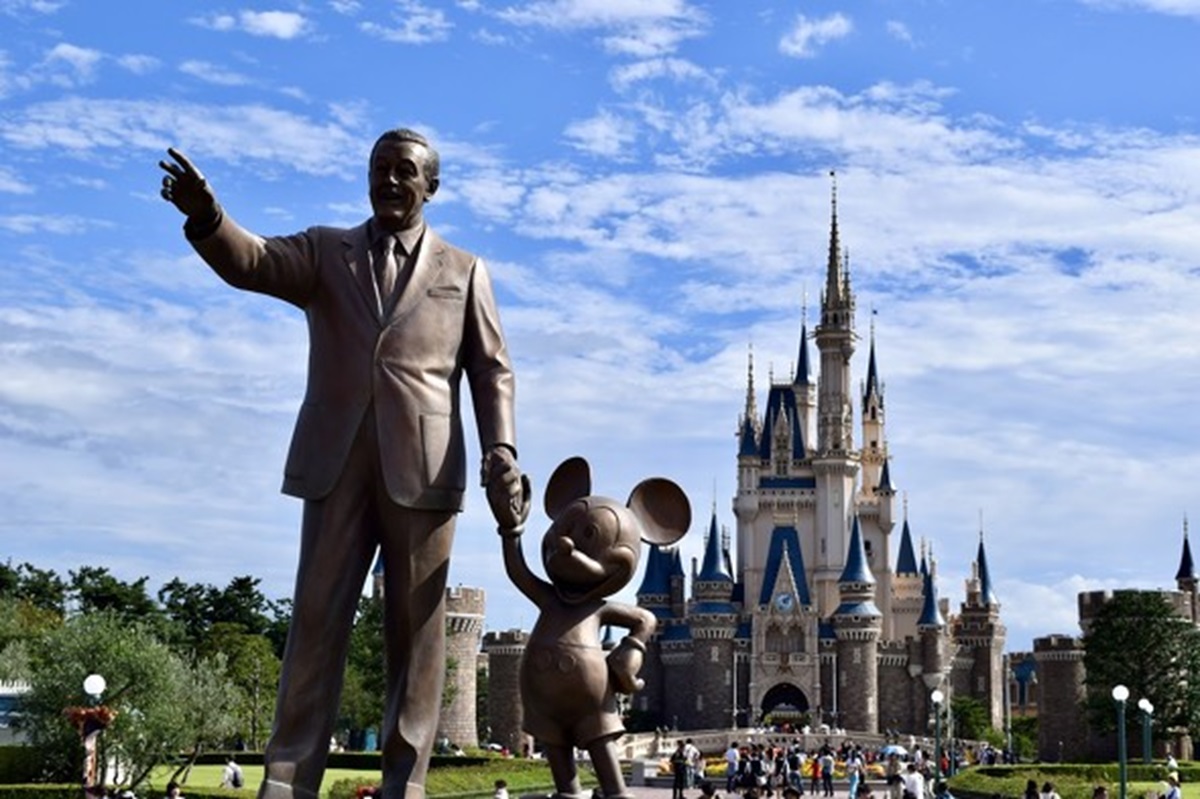
Tokyo Disney Resort introduced Disney Premier Access in 2022. The service allows guests to reserve a specified time for selected attractions and shows through the official app after entering Tokyo Disneyland or Tokyo DisneySea. At launch, the service cost 2,000 yen per attraction and applied to only one attraction at each park. It has since expanded to cover 25 attractions and shows, with prices ranging from 1,000 to 3,500 yen, according to information available as of September 15.
The paid system replaced a number of free queue-skipping options that had previously been familiar to domestic and international visitors. Disney’s FastPass, introduced in 2000, was suspended during the COVID-19 pandemic and officially ended in 2023. Under the original system, guests collected a numbered ticket at a machine near an attraction and returned during the assigned time window for priority admission. From 2019, the process was also supported through the park’s mobile application.
Tokyo Disney Resort later introduced the 40th Anniversary Priority Pass in 2023. This free service provided priority entry to selected popular attractions, but it was presented as a limited-time offering and ended in August 2026. As a result, visitors who want to skip lines at the resort currently generally need to use Disney Premier Access when it is available for their chosen attraction.
Managing crowds while raising visitor value
Oriental Land, the operator of Tokyo Disney Resort, has said that it aims to maintain a comfortable park environment by keeping daily attendance limits below pre-pandemic levels and responding flexibly to increasingly diverse guest needs. The company has also emphasized improving the value of the overall visitor experience.
These changes reflect a long-running challenge for Japan’s most popular theme parks. Until the 2010s, excessive congestion was widely seen as a factor that could reduce customer satisfaction. Since the pandemic, Tokyo Disney Resort has combined attendance-management measures with higher prices, the end of annual passes and variable ticket pricing. These policies are designed to moderate visitor numbers while increasing spending per guest.
A wider trend across Japan
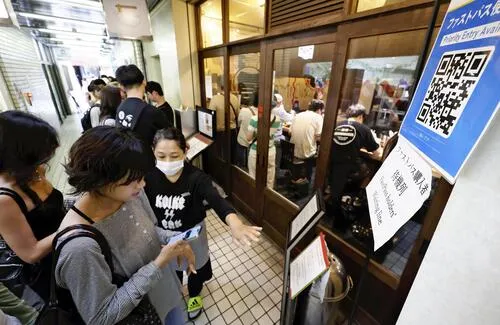
Hirakata Park in Osaka introduced its own priority boarding ticket in 2024, showing that paid queue access is not limited to the country’s largest resort operator. For foreign visitors, these services can make a major difference when planning a short trip around Japan, particularly during weekends, school holidays and peak tourism seasons.
The spread of premium access does not mean every visitor must pay extra. Standard queues remain available, and careful planning through official apps can still help guests organize their day. However, Japan’s theme parks are increasingly offering visitors a choice: spend more money to save time, or spend more time to keep costs lower. That balance is likely to remain an important feature of the country’s evolving leisure and tourism market.