A new support system for Japan’s humanoid-robot era
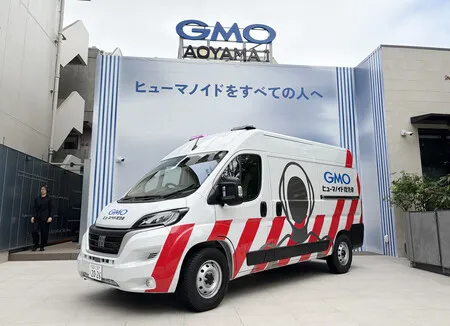
GMO AI & Robotics Trading, a Tokyo-based company under the GMO Internet Group, announced on the 8th that it has introduced a dedicated “ambulance” for humanoid robots. The specially equipped vehicle is designed to transport essential parts, tools and engineers to the location of a malfunction, allowing repairs to be carried out as quickly as possible.
Although the vehicle is described as an ambulance, it is not intended for medical emergencies or human patients. Instead, it serves as a mobile maintenance unit for humanoid robots. When a robot stops working or encounters a technical problem, engineers can travel directly to the site with the equipment needed to diagnose and repair the issue.
Reducing downtime as robot use expands
The initiative comes as companies in Japan and around the world explore a wider range of applications for humanoid robots. These machines are being developed for work in factories, warehouses, retail environments, offices, research facilities and other settings. Their human-like shape may allow them to operate in spaces designed for people and use tools or equipment already found in workplaces.
However, broader adoption will depend not only on robot performance but also on reliable maintenance. A malfunctioning robot can interrupt operations, delay deliveries or create additional costs for the organization using it. By sending trained engineers and replacement components directly to the site, GMO AI & Robotics Trading aims to reduce the period during which a robot remains out of service.
The company said its goal is to build practical expertise in maintenance services before humanoid robots become widely deployed. This approach could help it understand the types of failures that occur in real-world environments, the parts most frequently requiring replacement and the technical support needed by customers.
Building confidence in Japan’s robotics market
Japan has long been associated with robotics, supported by its advanced manufacturing sector, engineering talent and interest in technologies that can address labor shortages and improve productivity. As the country’s population ages and many industries face recruitment challenges, robots are increasingly viewed as potential partners in logistics, manufacturing, infrastructure maintenance and other fields.
At the same time, introducing robots into society requires more than hardware and software. Companies need dependable networks, safety procedures, customer support and repair systems. The new vehicle highlights the importance of this less visible infrastructure. Just as conventional automobiles rely on roadside assistance and service centers, advanced robots will require specialized support throughout their operating lives.
Tomohiro Uchida, president of GMO AI & Robotics Trading, said the company would focus on supporting the social implementation of humanoid robots. The statement reflects a practical position: successful robotics adoption will depend on keeping machines useful, safe and available after they are delivered to customers.
A small vehicle with a larger purpose
The dedicated service vehicle is an early step, but it signals how Japan’s robotics industry is preparing for commercialization. If humanoid robots become common in workplaces, rapid on-site maintenance could become an important part of the business ecosystem. The experience gained through this initiative may also help shape future service standards and support models.
For Japan, the project demonstrates that innovation is not limited to creating sophisticated machines. It also includes developing the systems that allow those machines to function reliably in everyday society. As humanoid robots move closer to practical use, a fast and professional response to technical problems could be essential to earning public and business confidence.