Japan considers humanoid robots for defense support missions
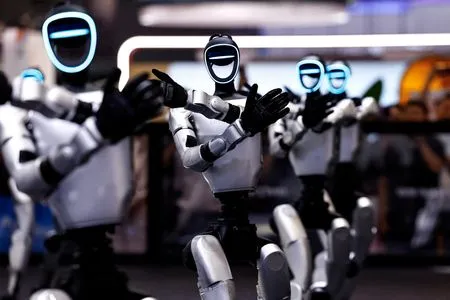
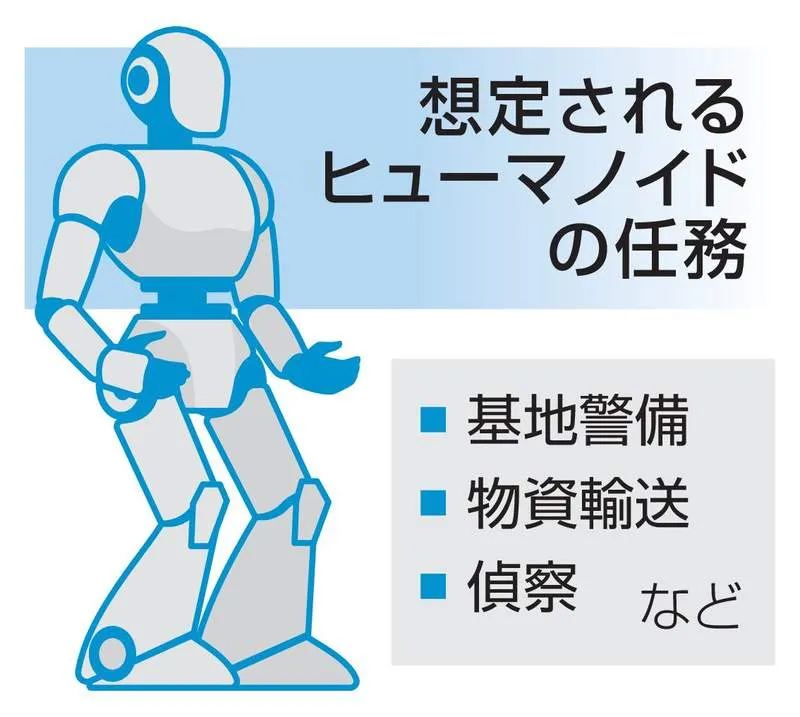
The Japanese government is considering launching dedicated research into the use of humanoid robots in the defense sector, with a focus on support roles such as base security and the transport of supplies. The plan would use artificial intelligence-powered “physical AI,” a technology designed to allow machines to perceive their surroundings, make decisions and operate in the physical world with a degree of autonomy.
Government and ruling-party sources disclosed the proposal on the 22nd. The initiative is expected to be led by Japan’s Acquisition, Technology and Logistics Agency, known as the ATLA, which is responsible for research, development and procurement related to defense equipment. The Defense Ministry has included the proposal in its request for items in its fiscal 2027 budget outline. The request is classified as a “matter request,” meaning that the ministry has identified the project as a priority but has not yet specified a funding amount.
Focus on support rather than direct combat
According to the proposal, the initial applications would center on non-combat duties. These could include monitoring facilities, carrying equipment and delivering supplies within military bases or other controlled environments. The government is reportedly taking a cautious position on deploying humanoid robots directly in combat.
Future possibilities could include reconnaissance and rescue operations, particularly in locations that are dangerous, difficult to access or unsuitable for human personnel. However, such uses would require extensive testing of reliability, safety, communications, cybersecurity and the ability of robotic systems to function in challenging weather and terrain.
Addressing Japan’s demographic and recruitment challenges
The initiative reflects a broader challenge facing Japan’s Self-Defense Forces. Recruitment has remained difficult, while the population of people eligible for recruitment is projected to decline by approximately 30 percent over the next two decades. Against this backdrop, Japan is examining how artificial intelligence, unmanned equipment and automation can help personnel carry out missions more efficiently.
A senior Defense Ministry official described robotics as a potentially effective way to replace or supplement certain tasks when personnel are limited. The goal is not necessarily to remove people from defense operations, but to allow service members to concentrate on duties that require human judgment, leadership and specialized expertise.
Proposed robotics competition could accelerate innovation
The government is also considering a “robotics task challenge” in which robots developed by private companies and universities would compete in practical performance tests. Such an event could encourage collaboration between Japan’s defense sector, technology companies and academic researchers, while providing a structured way to evaluate mobility, manipulation, navigation and autonomous decision-making.
Japan has long been recognized for its expertise in robotics, including industrial automation, healthcare machines and disaster-response technology. Applying that expertise to defense support missions would nevertheless present new challenges. Humanoid robots must be able to operate safely alongside personnel, respond to unexpected obstacles and remain dependable in environments where communications or power supplies may be disrupted.
The proposal remains under consideration, and specific capabilities, costs and deployment schedules have not been finalized. Still, it highlights Japan’s effort to combine its technological strengths with practical responses to demographic pressures. If carefully tested and governed, AI-enabled robots could become valuable tools for improving the safety and efficiency of support operations while keeping human decision-making central to national defense.