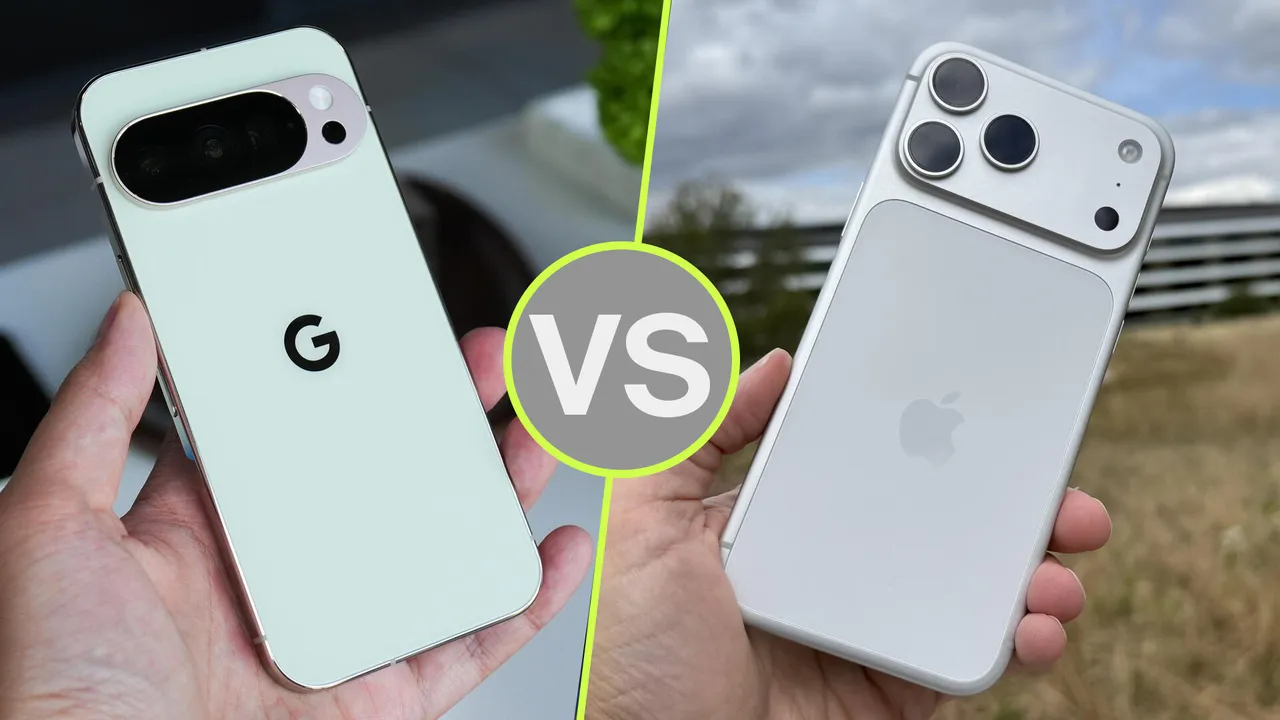
Apple's iPhone 17 series launched on September 19th, while Google's flagship Pixel 10 series arrived earlier on August 28th. For those weighing their options, this detailed comparison examines the key specifications and pricing of both lineups to help you decide which smartphone is right for you.
iPhone 17 vs. Pixel 10: Standard Models
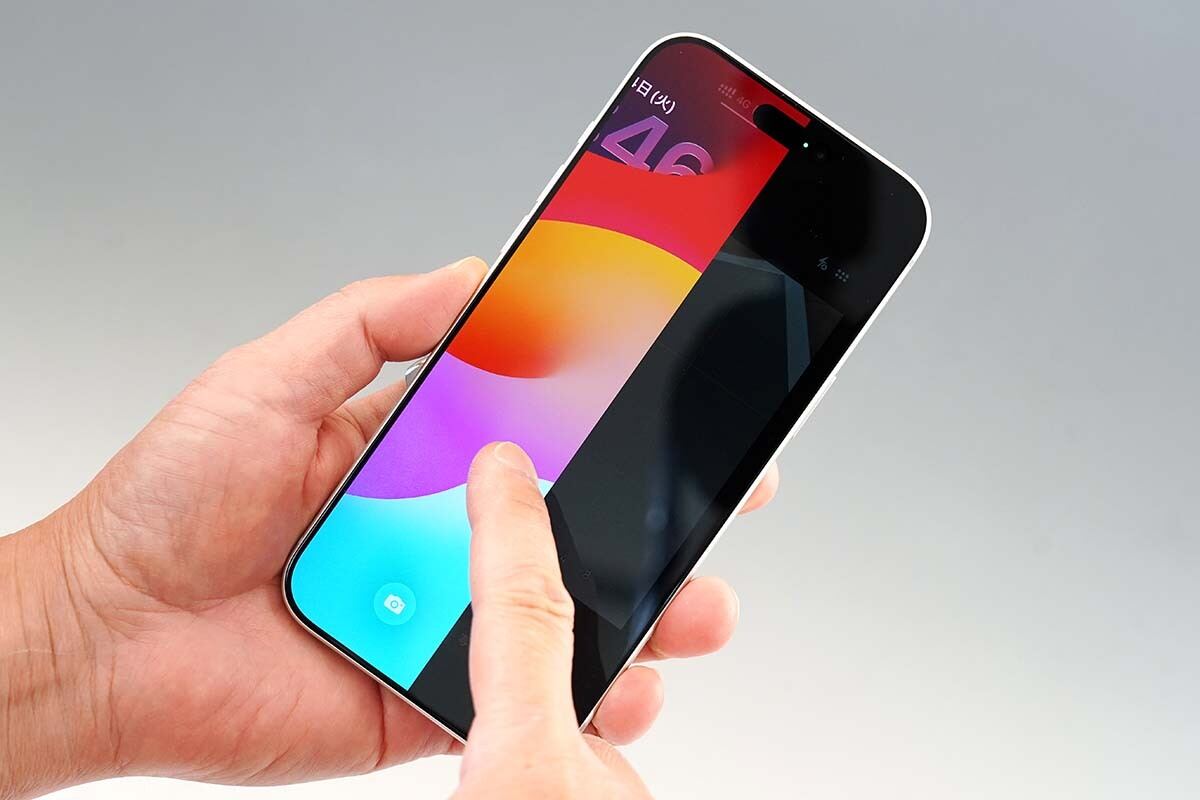
Both the iPhone 17 and Pixel 10 feature identical 6.3-inch organic EL displays. A significant upgrade for the standard iPhone 17 is the inclusion of ProMotion technology, offering a variable refresh rate up to 120Hz, matching the Pixel 10's capability. Both phones achieve an impressive peak brightness of 3000 nits, ensuring excellent outdoor visibility. While the iPhone 17 boasts a slightly higher pixel density (460ppi vs. Pixel 10's 422ppi), this difference is likely imperceptible to the naked eye.
Camera configurations see a notable divergence in 2025. Traditionally, both standard models featured a dual-camera setup (wide and ultra-wide). However, the Pixel 10 now includes a telephoto lens, making it a triple-camera system (48MP wide + 13MP ultra-wide + 10.8MP telephoto) with 5x optical zoom and up to 20x Super Res Zoom enhanced by AI. The iPhone 17 retains a dual 48MP Dual Fusion camera system (wide and ultra-wide), focusing on next-generation portraiture and 4K Dolby Vision video. While the Pixel 10 excels in telephoto capabilities and AI camera features like Camera Coach and Auto Best Take, the choice ultimately comes down to personal preference for image processing and specific use cases. For everyday snapshots, both deliver excellent results.
iPhone 17 Pro vs. Pixel 10 Pro: Flagship Face-Off
For the Pro models, the iPhone 17 Pro offers a 6.3-inch display, while the 17 Pro Max has a 6.9-inch screen. The Pixel 10 Pro comes in at 6.3 inches, and the 10 Pro XL at 6.8 inches. All Pro models support a 120Hz refresh rate.
Camera performance again highlights a key difference. The iPhone 17 Pro/Pro Max feature a 48MP telephoto camera with an 8x optical zoom, a substantial improvement from previous models. The Pixel 10 Pro/Pro XL also has a 48MP telephoto lens but with 5x optical zoom. However, the Pixel 10 Pro/Pro XL offers an astonishing 100x digital zoom, utilizing AI-powered Super Res Zoom Pro for surprisingly natural results. It's important to note that Super Res Zoom Pro involves generative AI and may not always be perfectly accurate, and it's not applicable to human subjects.
A unique advantage for the iPhone 17 Pro/Pro Max is the integrated LiDAR sensor, enhancing 3D scanning and low-light autofocus. While the Pixel 10 Pro/Pro XL features a multi-zone LDAF sensor for comparable low-light AF, the iPhone's LiDAR offers broader spatial awareness capabilities. Storage options also vary significantly, with Pixel 10 Pro/Pro XL maxing out at 512GB, while iPhone 17 Pro offers up to 1TB and the 17 Pro Max up to 2TB, suggesting differing approaches to cloud vs. on-device storage.
Design, Cooling, and Charging
The iPhone 17 Pro/Pro Max adopts an aluminum unibody design (moving from titanium) and, for the first time, incorporates a vapor chamber cooling system. This addresses past heating issues, allowing the A19 Pro chip to perform at its peak. It also supports MagSafe and up to 25W wireless charging.
The Pixel 10 series introduces Pixelsnap, a Qi2-compatible magnetic system for easier wireless charging and accessory attachment. While the Pixel 10/10 Pro support 15W wireless charging, the Pixel 10 Pro XL steps up to 25W Qi2.2.
Performance and AI
The iPhone 17 series features Apple's A19 chip in the standard model and the A19 Pro in the Pro models. All Pixel 10 series phones are powered by the Tensor G5. While the Tensor G5 benefits from a new 3nm process by TSMC, benchmark scores (Geekbench 6) indicate the A19 Pro (single-core 3600, multi-core 9500) significantly outperforms the Tensor G5 (single-core 2200, multi-core 5500).
Google emphasizes that Tensor chips prioritize AI performance and user experience over raw benchmark scores, showcasing features like Magic Suggest and Super Res Zoom. Apple, while integrating AI features like Visual Intelligence and Live Translate, adopted a more grounded approach in its announcements. Currently, the Pixel 10 series leads in AI feature breadth, but the iPhone 17 series' superior raw performance may offer greater future-proofing as AI capabilities evolve.
Pricing and Value Proposition
Pricing for the iPhone 17 starts at 129,800 JPY (256GB), the 17 Pro at 179,800 JPY (256GB), and the 17 Pro Max at 194,800 JPY (256GB). The Pixel 10 starts at 128,900 JPY (128GB), the Pixel 10 Pro at 174,900 JPY (256GB), and the Pixel 10 Pro XL at 192,900 JPY (256GB).
Comparing standard models, the iPhone 17 (256GB) is priced competitively, effectively being 14,100 JPY cheaper than the Pixel 10 (256GB). For Pro models, the Pixel 10 Pro is 4,900 JPY cheaper than the iPhone 17 Pro, and the Pixel 10 Pro XL is 1,900 JPY cheaper than the iPhone 17 Pro Max (all 256GB).
For users prioritizing cost-effectiveness, extensive AI features, and zoom capabilities, the Pixel 10 series presents a strong value. Conversely, those seeking long-term stable performance, superior CPU power, advanced hardware like the LiDAR sensor, and seamless ecosystem integration will find the iPhone 17 series more appealing.