A quarter-century of tap-and-go convenience
Japan’s Suica electronic fare card is approaching its 25th anniversary, marking a major milestone for a technology that changed the way people travel and pay. Launched by East Japan Railway Company, or JR East, in November 2001, Suica introduced a futuristic but simple idea to everyday commuters: charge an IC card with cash, then touch it against a ticket gate to enter and exit the railway system.
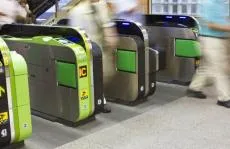
Before Suica, passengers generally used paper tickets, magnetic commuter passes or prepaid magnetic cards such as JR East’s IO Card and the Passnet system used by private railway and subway operators in the Tokyo area. These cards had to be inserted into an automatic ticket gate. Suica eliminated that physical step, allowing passengers to pass through by simply touching the card to a reader.
From one railway network to a nationwide system
Suica initially served JR East passengers, but its convenience quickly helped inspire a broader transformation in Japan’s public transportation system. In March 2007, the PASMO card was introduced for private railway and subway services in the Tokyo metropolitan area. At the same time, mutual-use services linking Suica and PASMO began, making it much easier for commuters to travel across different operators.
This interoperability was especially important in a city where railway lines operated by different companies frequently connect with one another. Passengers no longer needed to purchase separate magnetic cards or stop to buy paper tickets for many short journeys. The change reduced friction for commuters, tourists and foreign residents alike.
Similar IC card systems were introduced in regions across Japan, including Kansai and other major urban areas. In March 2013, nationwide mutual use of major transportation IC cards began. As a result, travelers could use cards such as Suica, PASMO and regional equivalents on most major railway networks throughout the country. For visitors to Japan, this system remains one of the easiest ways to navigate the country’s complex but highly efficient rail network.
Suica helped bring cashless payments into daily life
Suica’s influence extended well beyond railway stations. In March 2004, the card gained electronic money functions, allowing users to pay at station kiosks and shops. Its use later expanded to convenience stores, vending machines, restaurants and other businesses.
For small purchases, the ability to tap a card instead of handling coins or bills offered a level of speed and convenience that quickly became part of everyday Japanese life. As discussion of a “cashless society” intensified toward the end of the 2000s, transportation IC cards became one of the most visible and accessible examples of cashless payment in Japan.
Today, Suica can also be added to compatible smartphones and smartwatches, reducing the need to carry a physical card. The technology has therefore evolved from a railway ticketing solution into an important part of Japan’s digital payment infrastructure.
A new character after the Suica Penguin
Throughout Suica’s journey, one friendly figure has been closely associated with the brand: the Suica Penguin. Created by illustrator Chiharu Sakazaki, the penguin appeared when Suica was launched in 2001. Its distinctive and charming design helped make the card recognizable and contributed to public awareness of the service.
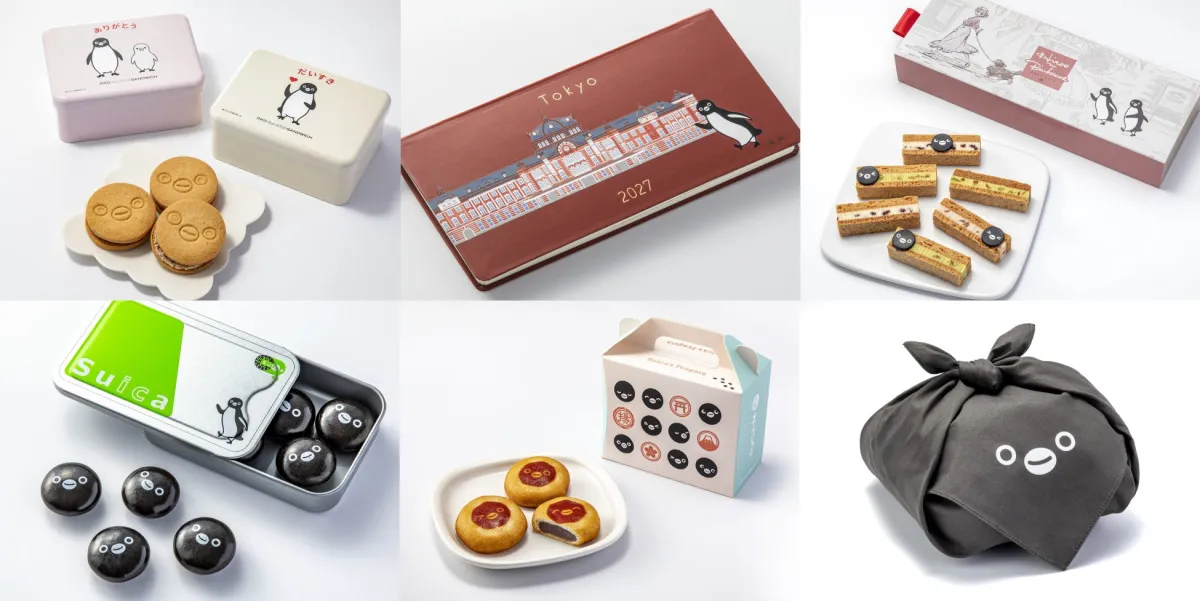
The Suica Penguin has appeared on cards and promotional materials for decades, becoming a familiar presence for commuters and travelers. However, JR East has announced that the character will “graduate” in March 2027.
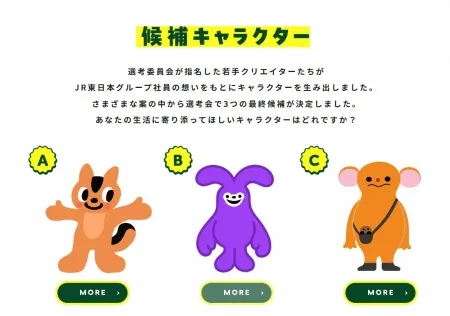
Three potential successors have now been presented: a squirrel, a rabbit and a mysterious creature carrying a mole in a pouch. The public is being invited to vote on the next character, adding a playful new chapter to Suica’s continuing evolution.
Suica’s story reflects Japan’s ability to integrate technology into daily routines with minimal disruption. By making train travel and small payments faster and more intuitive, it helped reshape mobility and encouraged millions of people to embrace cashless habits. As the Suica Penguin prepares to say goodbye, the card itself continues to symbolize convenience, innovation and the practical side of modern life in Japan.