Apple Pay PASMO services affected
Users of Apple Pay PASMO in Japan experienced a service disruption on October 1, preventing several important functions from operating normally. The issue began at approximately 7:37 a.m., according to information released about the incident, and was still continuing as of 10:20 a.m.
The affected services include adding money to PASMO accounts with credit cards and other payment cards, as well as purchasing or requesting refunds for commuter passes. These functions are widely used by commuters, students and international residents who rely on Apple Pay PASMO through an iPhone or Apple Watch for daily travel across Japan.
Existing balances and passes remain available
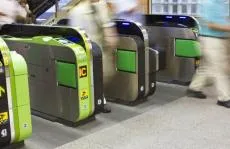
Despite the disruption, users can continue to use money that has already been loaded onto their PASMO accounts. Previously purchased commuter passes also remain available for travel, meaning passengers with sufficient balances or valid passes should generally be able to use their devices at ticket gates as usual.
Cash top-ups are also still possible. In Japan, PASMO users can add cash at selected ticket machines, charging machines and participating convenience stores, depending on the location and available equipment. This option may be particularly useful for passengers who cannot add funds using a credit card during the outage.
The reported service interruption does not appear to affect all Apple Pay PASMO functions. However, users should check their balance before beginning a journey and allow extra time to find a cash top-up location if necessary. Travelers who are unable to add funds digitally may also wish to carry an alternative payment method or a physical transportation card where available.
What Apple Pay PASMO means for travelers
PASMO is one of Japan’s major contactless transportation systems. It can be used on trains and buses in the greater Tokyo area and, through nationwide interoperability, at many locations across Japan. PASMO also works as an electronic money service at participating shops, vending machines and other businesses.
Apple Pay PASMO allows users to store a digital PASMO card in Apple Wallet and use an iPhone or Apple Watch at compatible ticket gates without taking out a physical card. The service is especially convenient for foreign visitors, expatriates and residents who prefer mobile payments, although adding money generally depends on a supported bank or credit card and an active digital connection.
Cause remains under investigation
No detailed explanation of the cause or the full scope of the incident had been made public at the time of the update. It was also unclear when credit-card top-ups, commuter-pass purchases and refund services would return to normal. PASMO users should monitor official announcements before attempting repeated transactions, particularly if a payment appears incomplete or a commuter-pass request does not go through.
For now, the practical message for passengers is clear: existing PASMO funds and valid passes can continue to support travel, while cash remains an alternative for adding money. The incident highlights both the convenience of Japan’s highly integrated digital transit network and the importance of keeping a backup payment option when relying on smartphone-based transportation services.