In an unusual corporate confrontation that has captivated the paper products industry, two Japanese manufacturing giants are locked in a legal dispute over technology for premium toilet paper. The case, which has now seen rulings at both the district court and intellectual property high court levels, highlights the competitive intensity in an everyday product category that generates billions in annual revenue.
The Technology Behind the Controversy
The legal battle centers on specialized technology for producing extra-long toilet paper rolls, a product category that has gained significant consumer popularity due to its convenience. These jumbo rolls require less frequent changing, appealing particularly to commercial establishments and families seeking to minimize maintenance tasks.
Nippon Paper Crecia, a subsidiary of Nippon Paper Industries, developed what it claims are proprietary technologies between 2017 and 2020 that create unique surface textures on toilet paper. This innovation, protected by multiple patents, allegedly allows for longer rolls without compromising the softness and quality that consumers expect from premium bathroom tissue.
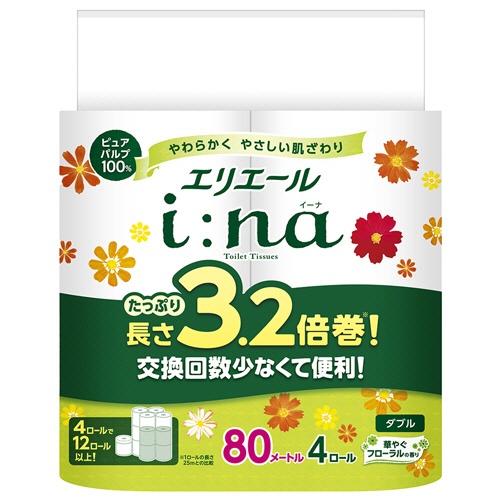
Daio Paper, Nippon's competitor, entered the extended-roll market in April 2022 with its "Eliael i:na Toilet Tissue 3.2x Roll," which quickly became a popular alternative to Nippon's "Scotty" brand products. It was this market entry that sparked the current legal confrontation.
The Legal Journey
Nippon Paper Crecia initiated legal proceedings against Daio Paper, seeking damages and an injunction against production of the allegedly infringing products. The company argued that Daio had improperly used its patented technology without authorization, creating unfair competition in a specialized market segment.
The Tokyo District Court delivered its verdict in August 2024, ruling in favor of Daio Paper. The court determined that the depth of the surface patterns on the two companies' products differed sufficiently that patent infringement could not be established. This initial victory for Daio set the stage for the appeal that would follow.
On October 8th, the Intellectual Property High Court upheld the lower court's decision, dealing another blow to Nippon Paper Crecia's claims. The unanimous ruling reaffirmed that the technical differences between the products were substantial enough to avoid patent violation, allowing Daio to continue manufacturing and selling its extended-roll toilet paper.
Industry Implications
The case highlights the fierce competition in Japan's household paper products market, where technological innovation can provide significant competitive advantages. With Japanese consumers particularly discerning about toilet paper quality, manufacturers invest heavily in research and development to create products that balance softness, strength, and practical features like extended roll length.
Industry analysts note that patent disputes have become increasingly common as companies seek to protect their investments in product development. The toilet paper sector, while seemingly mundane, involves sophisticated manufacturing processes and substantial research budgets aimed at creating incremental improvements that can sway consumer preferences.
Market share in the Japanese tissue industry represents significant revenue, with both companies operating nationwide distribution networks and maintaining strong brand recognition. The extended-roll segment has proven particularly lucrative as consumers demonstrate willingness to pay premium prices for convenience features.
Consumer Response and Market Dynamics
Despite the legal drama, consumers have largely responded positively to the increased competition in the extended-roll toilet paper category. The availability of multiple options has given shoppers more choice while potentially moderating prices in a segment that traditionally carried premium price tags.
Retailers report strong sales for both brands, suggesting that the market may be large enough to support multiple competitors. Some industry observers believe the legal dispute has actually raised awareness of extended-roll options among consumers who might not have previously considered them.
The controversy has also highlighted how seemingly simple products can involve complex intellectual property considerations. What appears to consumers as straightforward toilet paper actually represents the culmination of years of research and development, with manufacturers carefully guarding their technical innovations.
Future Outlook
With the legal pathway apparently exhausted for Nippon Paper Crecia, industry attention now turns to how both companies will compete in the marketplace moving forward. The ruling effectively allows Daio Paper to continue its expansion in the extended-roll segment, potentially forcing Nippon to compete more aggressively on price, marketing, or further product innovation.
Some analysts suggest the case might inspire both companies to intensify their research and development efforts, seeking new technological breakthroughs that could provide clearer competitive differentiation and stronger patent protection. The rapidly evolving nature of manufacturing technology means today's innovations may soon be superseded by newer approaches.
For consumers, the continued competition likely means more choices and potentially better products as both companies strive to gain market advantage. The humble toilet paper roll, it seems, will remain a battleground for corporate innovation and legal interpretation for the foreseeable future.