Bank of Japan signals faster policy normalisation
The Bank of Japan is expected to raise its policy interest rate from 1.00% to 1.25% at its two-day monetary policy meeting, which began on the 17th. If implemented, the move would mark the central bank’s second rate increase this year and come just three months after its previous hike in June.
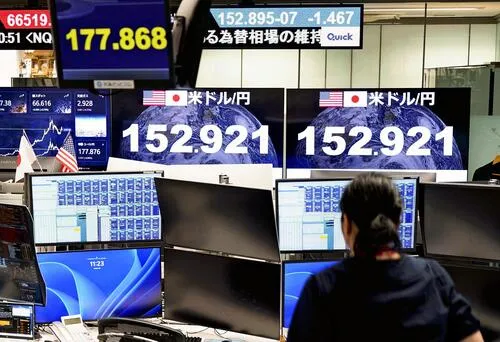
The anticipated decision reflects growing concern about renewed inflationary pressure. Higher crude oil prices, a weaker yen and escalating tensions in the Middle East have increased the risk that consumer prices will rise more sharply than previously expected. With oil futures trading above 100 dollars per barrel, Japan faces additional pressure through higher import costs for energy, food and other goods.
A historic step in Japan’s gradual shift
A move to 1.25% would place the policy rate at its highest level since April 1995, approximately 31 years ago. It would also represent the shortest interval between rate increases since the Bank of Japan began its current process of monetary policy normalisation.
The central bank ended its long-standing large-scale monetary easing programme in March 2024, marking a major turning point for Japan’s economy. For years, the BOJ maintained exceptionally low or negative interest rates in an effort to overcome deflation, encourage borrowing and support economic growth. The gradual return to higher rates indicates that policymakers now believe inflation dynamics have changed sufficiently to warrant a more conventional approach.
Although the rate remains modest by international standards, the shift is significant for Japan. Higher borrowing costs could affect home loans, corporate financing and consumer spending. At the same time, savers may benefit from improved deposit returns, while a stronger yen could help reduce the cost of imported energy and raw materials.
Global central banks respond to inflation
The BOJ’s expected action comes as inflationary pressures intensify worldwide. The US Federal Reserve and the European Central Bank have also reportedly raised their policy rates by 0.25 percentage points at their meetings this month. The coordinated moves suggest that major central banks are placing renewed emphasis on containing inflation, even as they weigh the potential impact of tighter financial conditions on economic activity.
For Japan, exchange-rate developments remain particularly important. A weaker yen makes imports more expensive and can push up household costs, but it also supports exporters and companies earning revenue overseas. The BOJ must therefore balance the need to curb price pressures with the risk that excessive tightening could weaken domestic demand.
What to watch next
Markets will closely examine the BOJ’s policy statement and Governor Kazuo Ueda’s comments for clues about the pace of future increases. Investors will also monitor the bank’s assessment of wages, household consumption, energy prices and global economic conditions.
The expected hike underlines Japan’s increasingly confident transition away from emergency-era monetary support. While the decision could create short-term adjustment costs, a carefully managed normalisation process may strengthen the country’s financial stability and reinforce confidence in the yen over the longer term.