Core of Takaichi Government Set to Remain
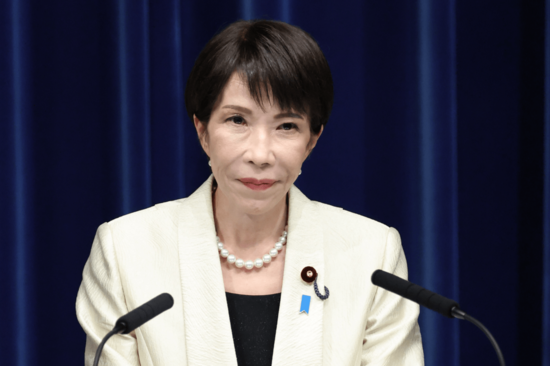
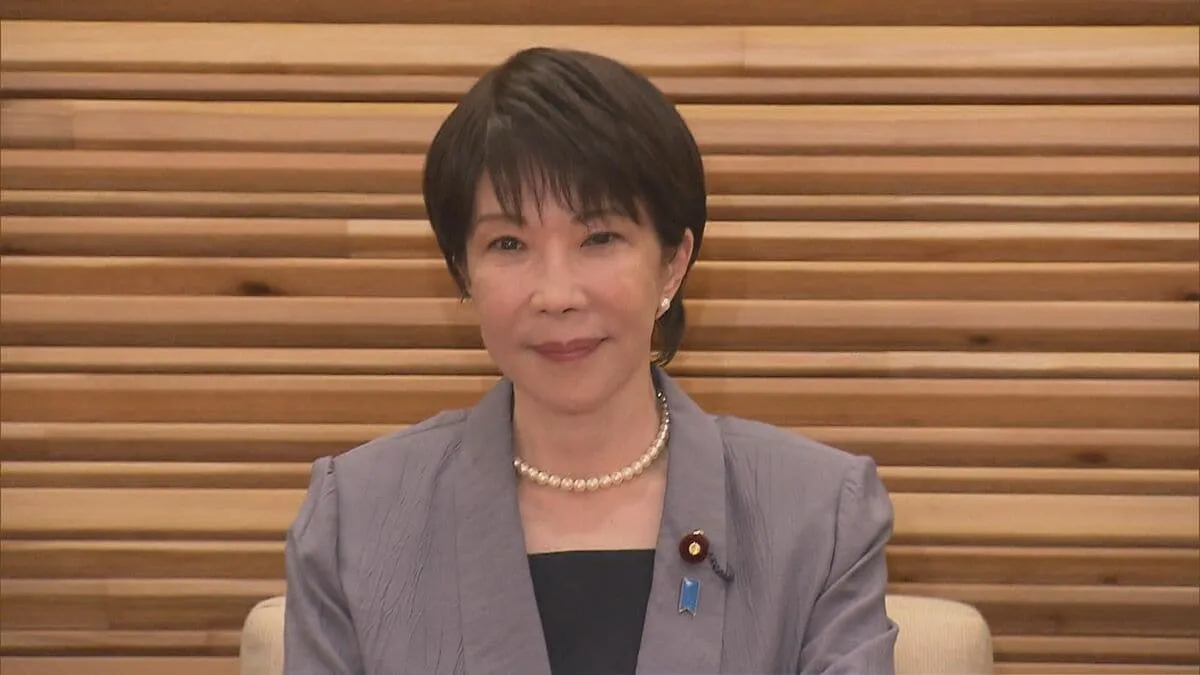
Japanese Prime Minister Sanae Takaichi is expected to launch her first cabinet reshuffle since taking office on the 17th, with several senior ministers set to remain in their posts as her administration seeks continuity on economic policy, fiscal management and national security.
According to people familiar with the plans, Finance Minister Satsuki Katayama will be reappointed. Her continued leadership is intended to support Takaichi’s effort to pursue what the prime minister describes as a strong economy while maintaining fiscal discipline. The balance is a central challenge for Japan, where policymakers are seeking to encourage investment, wage growth and domestic demand while managing high public debt and rising social-security costs.
The Yomiuri Shimbun reported on the same day that Minister for Growth Strategy Minoru Kihara and Economy, Trade and Industry Minister Ryosei Akazawa are also expected to stay in their positions. Their reappointments would signal that the government intends to maintain its current economic policy direction rather than introduce a sharp change only months after taking office.
Security and Foreign Policy Experience Retained
Defense Minister Shinjiro Koizumi, Chief Cabinet Secretary Minoru Kihara and Foreign Minister Toshimitsu Motegi are also expected to continue, according to people familiar with the matter. The government’s core structure, often described in Japan as its “backbone,” is therefore likely to remain largely intact.
Koizumi’s continued appointment would be particularly significant as Japan prepares to revise its three key national-security documents by the end of the year. Those documents outline the country’s security strategy, defense planning and procurement priorities. The review comes as Japan faces a complex regional environment, including increasing military activity around the Japanese archipelago and the need for closer coordination with international partners.
Keeping Motegi in the Foreign Ministry would likewise provide continuity in Japan’s diplomacy. Tokyo is working to strengthen its alliance with the United States while deepening cooperation with other countries in the Indo-Pacific and maintaining stable, constructive relations with its regional neighbors.
Political Calculations Ahead of the Next Leadership Contest
The reshuffle also carries an important political dimension. Of the four lawmakers who competed against Takaichi in the 2025 Liberal Democratic Party leadership election, three—Koizumi, Motegi and Policy Research Council Chairman Takayuki Kobayashi—are expected to retain cabinet or senior party positions. The arrangement appears designed to bring potential rivals into the administration and encourage party unity ahead of next year’s leadership contest.
The future role of Internal Affairs and Communications Minister Yoshimasa Hayashi remains a focus of attention. His treatment could offer clues about the prime minister’s approach to balancing competing factions and managing the party’s internal power structure.
Coalition Cooperation Expands
The Japan Innovation Party, which has entered into a coalition cooperation arrangement with the Liberal Democratic Party, is also expected to gain a cabinet seat. Hiroshi Nakatsuka, a former party secretary-general and member of the House of Representatives, is set to join the government for the first time.
Before the cabinet changes, the LDP completed its own executive appointments on the 16th. Shunichi Suzuki was retained as secretary-general, while former Prime Minister Taro Aso continued as vice president. Kobayashi remained policy chief, and former Economy Minister Yasutoshi Nishimura was reappointed chairman of the party’s Election Strategy Committee. Hiroshi Kajiyama is expected to replace Haruko Arimura as chairman of the General Council, while Arimura moves out of that role.
The second Takaichi reshuffled cabinet will formally begin after ministers receive certification at the Imperial Palace in the afternoon. For Japan, the immediate test will be whether political continuity can translate into effective action on wages, inflation, public finances, defense planning and the country’s long-term growth prospects.