In a smartphone market often criticized for its incremental updates and safe designs, Apple's iPhone Air arrives like a breath of fresh, incredibly thin, air. Released in September, this model is not just another iterative improvement; it's a bold statement, a deliberate departure from the "more of the same" philosophy. After spending a week using the iPhone Air as a primary device, it becomes clear that this phone is not for everyone, but for the right person, it's a revelation. It masterfully demonstrates that in the pursuit of ultimate portability, compromise is not a dirty word but an essential, and even exciting, part of the equation.
First Impressions: A Featherweight with Presence
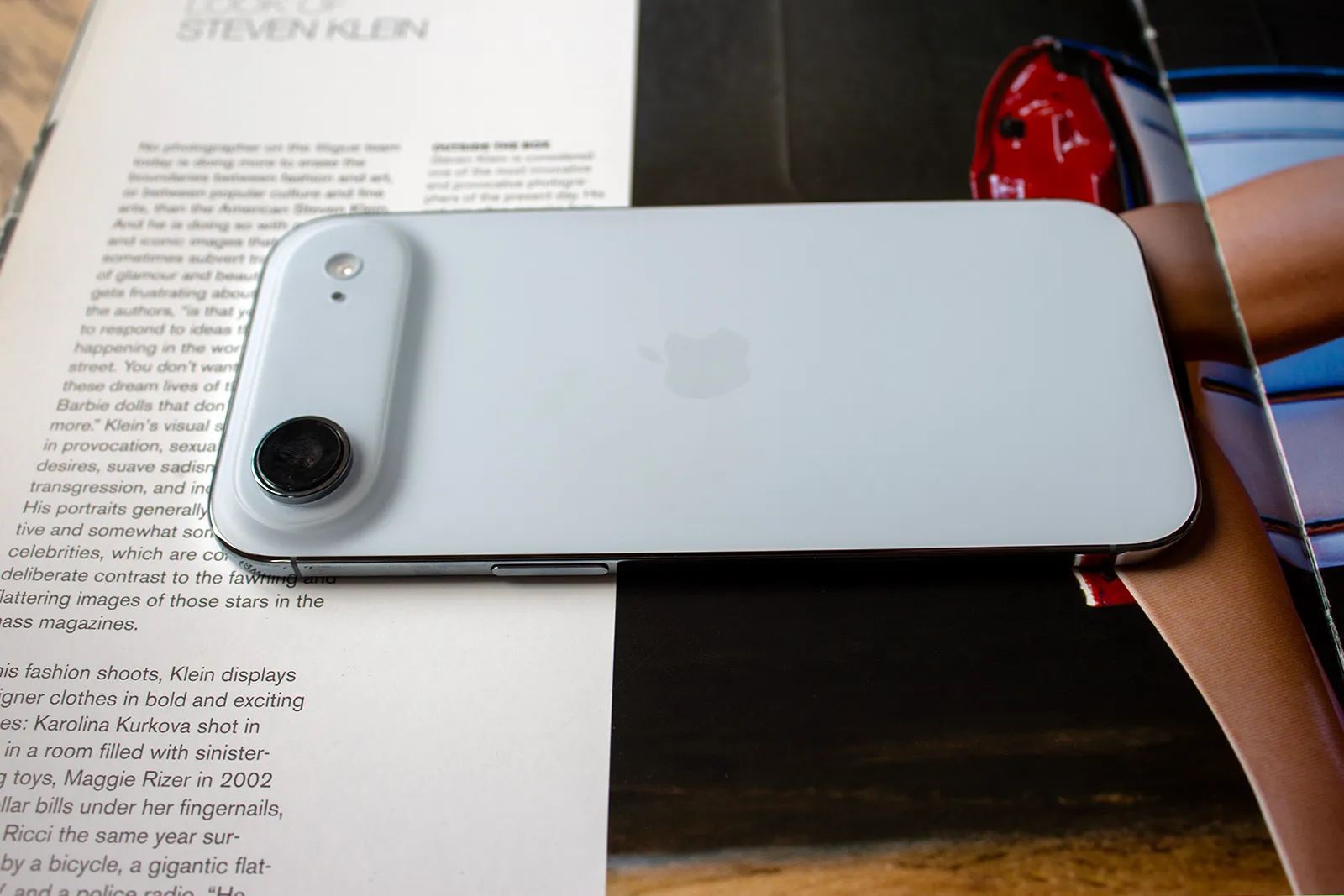
Unboxing the iPhone Air is a unique experience. The immediate, almost shocking takeaway is its weight lack thereof. At approximately 165 grams, it feels impossibly light for its 6.5-inch screen size, making direct competitors feel bulky and archaic in comparison. The design language is a clear break from the recent Pro models. Gone is the brushed titanium and glossy finish; instead, the Air presents a subdued, matte-finish aluminum aesthetic that screams minimalist sophistication. It's less of a jewel and more of a precision tool. The camera bump, by contrast, is more pronounced than ever, a necessary concession to physics that serves as a constant reminder of the device's extreme thinness.
The eSIM-Only Future is Here, Ready or Not
The iPhone Air, along with the entire iPhone 17 series, fully embraces an eSIM-only future, eliminating the physical SIM tray altogether. This move, while telegraphed for years, still caused ripples of anxiety and real-world problems at launch, with some carriers experiencing activation issues. For frequent international travelers or those in regions with slower eSIM adoption, this could be a genuine inconvenience. However, for most users in well-supported markets, the transition is seamless. The benefits saving internal space, enhanced security, and the ability to store multiple carrier profiles ultimately outweigh the growing pains. Apple has made its bet, and the industry will now be forced to accelerate its adaptation.
Performance and Thermals: Powerhouse in a Slim Frame
Don't let the slim profile fool you; the iPhone Air is a performance beast. Benchmarks like Geekbench 6 (Single-core: 3627, Multi-core: 9245) and AnTuTu (approx. 1.83 million points) confirm that it shares the same powerful silicon heart as its thicker siblings. It handles intensive gaming, video editing, and multitasking with effortless grace. However, this power comes with a thermal reality. During sustained heavy loads, the area around the central camera bump becomes noticeably warm to the touch as it acts as the primary heat dissipation point. It's not dangerously hot, but it's a tangible reminder of the engineering challenge of packing top-tier performance into such a constrained form factor.
The Battery Life Paradox: Defying Physics
Perhaps the most astonishing feat of the iPhone Air is its battery life. Logic dictates that a thinner device means a smaller battery, leading to poorer endurance. The iPhone Air defies this logic. In real-world testing, it consistently delivers a full day of use, matching Apple's own claims that it rivals the battery life of the previous year's iPhone 16 Pro. Starting a day at 100% charge and engaging in typical activities email, messaging, social media, photography, and some video streaming consistently left over 30% by the evening. This achievement is a testament to Apple's deep vertical integration, where hardware and software are fine-tuned in concert to maximize efficiency, proving that software optimization can sometimes triumph over raw battery capacity.
The Camera: Less is More, Most of the Time
The camera system is where the Air's philosophy of focused compromise is most apparent. It features a single rear camera: a high-quality wide-angle lens that is, in fact, the same primary sensor found in the standard iPhone 17. In good lighting, photos are spectacular, with vibrant colors, excellent dynamic range, and sharp detail. Thanks to its high-resolution sensor, it also offers a surprisingly competent digital zoom, producing acceptable quality images at up to 3x or 4x magnification. The real innovation, however, lies in the front-facing camera. It uses a unique 1:1 aspect ratio sensor that allows for flexible framing, and its 0.75x focal length makes it an unexpectedly excellent tool for capturing small group photos or interior scenes, serving as a functional stand-in for an ultra-wide-angle camera.
The Audio Compromise: Mono in a Stereo World
This is the Air's most controversial and noticeable compromise. The device features a mono speaker system, with the audio output solely from the earpiece grill. In daily use for calls, podcasts, and audiobooks, it's perfectly adequate clear and intelligible. The shortcomings become glaringly obvious when consuming music or video content. The sound lacks the stereo separation and bass response that users have come to expect from flagship smartphones. Holding the device in landscape orientation for video feels inherently unbalanced, with all the sound emanating from one side of the screen. It's a trade-off that audiophiles and media enthusiasts will immediately notice, while more casual users may find it a tolerable sacrifice for the device's svelte profile.
Reflective Thoughts on the Display
One of the unsung heroes of the iPhone 17 series, including the Air, is the enhanced anti-reflective coating on the Ceramic Shield 2 glass. While competitors have been chasing ever-higher peak brightness levels to combat glare, Apple has taken a more nuanced approach by reducing the reflections themselves. The result is a screen that remains remarkably legible in direct sunlight, not because it's blindingly bright, but because it doesn't turn into a mirror. This is a more elegant and potentially less power-intensive solution to a common user pain point. For those who truly hate reflections, pairing this native coating with a third-party anti-glare (matte) screen protector creates a viewing experience that is virtually ghost-free in any lighting condition.
Accessory Ecosystem: Form Over Function?
Apple's official accessories for the Air, like the magnetic battery pack and the retro-inspired bumper case, feel like a mixed bag. The MagSafe Battery is a practical necessity for power users, but its Air-specific design limits its versatility. The bumper case protects the edges while showcasing the beautiful back panel, but it adds noticeable width, negating some of the Air's key ergonomic advantages. The strap system, while clever with its magnetic clasp, leaves a permanent holder attached to the phone when the strap is removed, which may not appeal to aesthetics-focused users. The accessory line reinforces the idea that the iPhone Air is a device for those who prioritize a specific design ethos, even when it introduces minor functional quirks.
Conclusion: A Niche Masterpiece
The iPhone Air is not the phone for the pragmatic user who wants the absolute best in every category. It makes deliberate trade-offs in audio, thermal management, and camera versatility. Instead, it is a device for the enthusiast who feels that smartphones have become boringly competent. It's for the user who values design, portability, and the sheer joy of using a piece of technology that feels revolutionary. It challenges conventions and asks its user to re-evaluate what they truly need from a device they carry every day. The iPhone Air doesn't just get the job done; it makes the journey feel thrillingly different. In a sea of similarity, that is a compelling reason to exist.