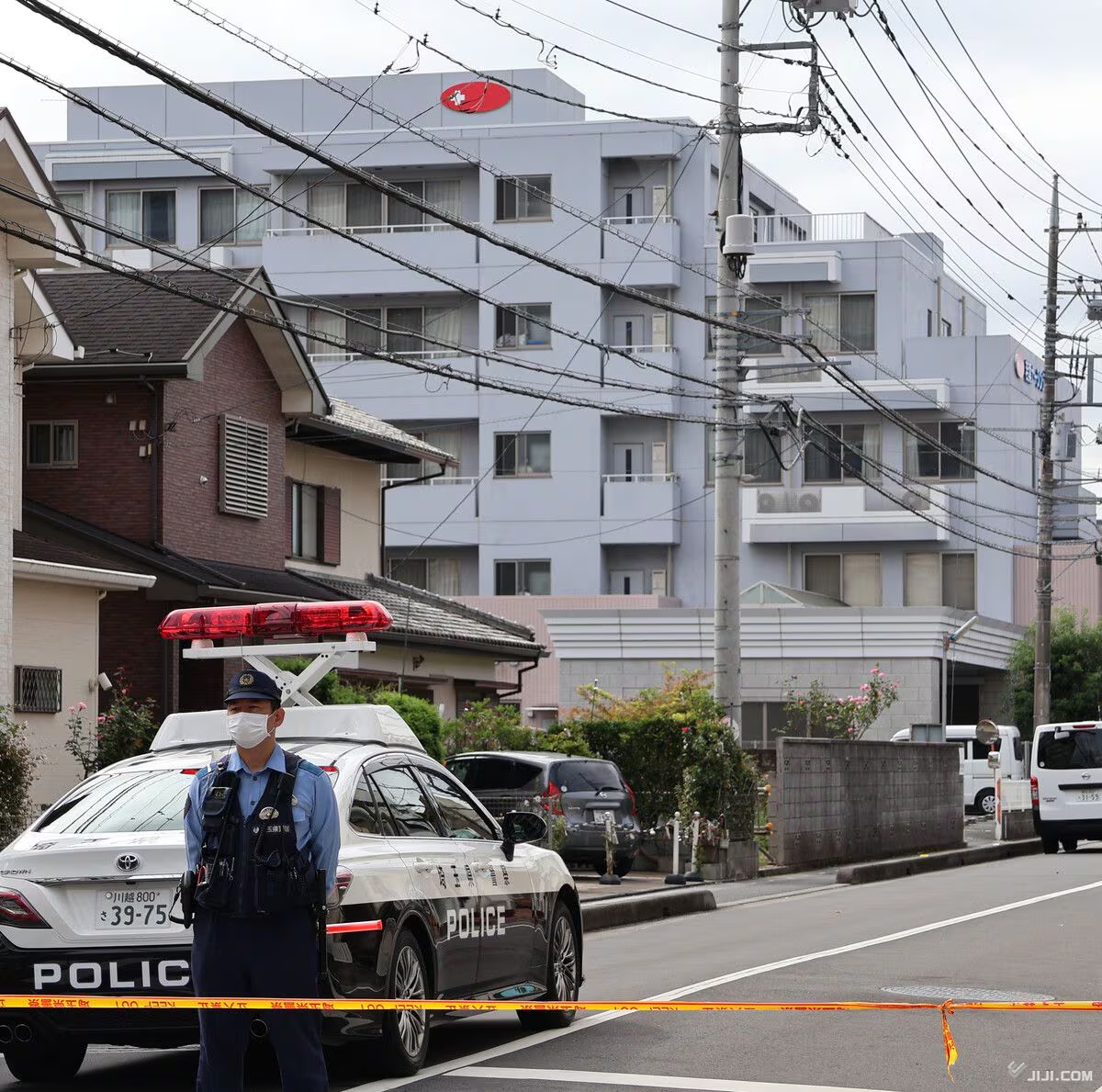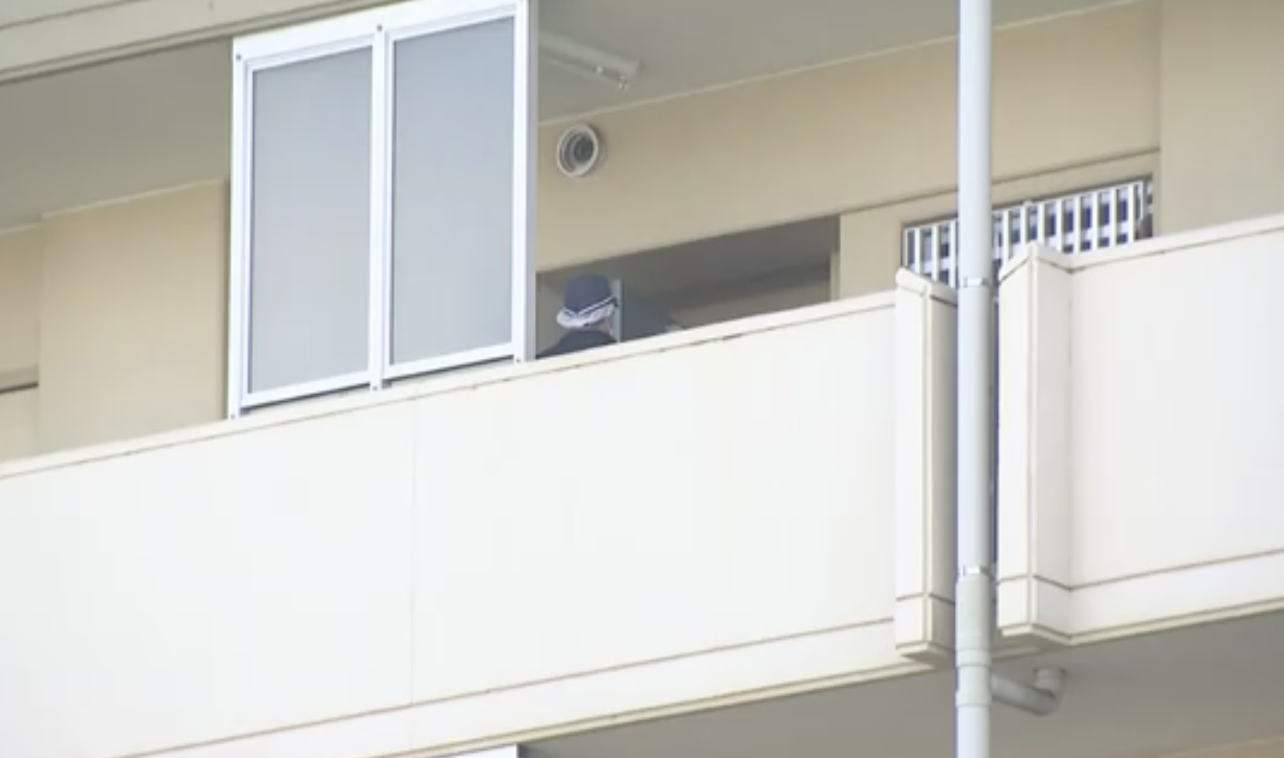
In the somber aftermath of a double homicide at a Saitama care home, the human cost of the tragedy comes into sharp focus through the grief-stricken words of the victims' families. The family of 89-year-old Akiko Kamii, one of the two elderly women killed, has released a poignant statement, giving voice to the profound pain and confusion that follows such a sudden and violent loss.
A Family's Agonizing Question
Released through the Saitama Prefectural Police, the family's comment is a raw expression of shock and sorrow. "Our family is in a state of extreme confusion due to this sudden event," the statement begins. It quickly delves into the torment of unanswered questions that plague those left behind: "Why did our mother have to die? What kind of terrible pain did she endure?" The family articulates a sentiment familiar to anyone who has experienced sudden loss the relentless cycle of thoughts that amplifies the anguish, making it difficult to contain the sadness. The statement conveys a sense of deep frustration and a grief that is, at this initial stage, overwhelming.
A Plea for Privacy in a Time of Trauma
Recognizing their fragile state, the family made a direct and respectful appeal to the media and the public. They described themselves as "exhausted and worn out," clearly stating that they are in no condition to handle interviews or public scrutiny. They politely requested that the press refrain from approaching them for comments. Furthermore, understanding the potential ripple effect of such a high-profile case, they extended this request to their relatives and neighbors, asking that their privacy also be respected during this unimaginably difficult time. This plea highlights the secondary trauma that media attention can inflict on grieving families, adding to their burden.
The Ripple Effect of Violent Crime
While a single arrest has been made, the repercussions of the crime extend far beyond the suspect and the direct victims. The families enter a long and arduous journey through the criminal justice system, a process that can often re-traumatize them. They must cope with their personal loss while also dealing with legal proceedings, media reports, and the public's gaze. The emotional impact can manifest as complex PTSD, anxiety, and depression, requiring specialized psychological support and a strong network of understanding friends and community members. Their lives have been irrevocably altered, and the path to any semblance of peace is long and uncertain.
The Challenge of Finding Closure
For families in such situations, the concept of closure is complex. The legal outcome, while important for societal justice, does not automatically heal personal wounds. The violent nature of the death can make the grieving process particularly challenging, leaving families with horrific mental images and a sense of injustice that is hard to reconcile. The family's statement, focusing on the mother's suffering, indicates that comprehending the victim's final moments is a source of significant distress. Finding a way to remember their loved one for the life she lived, rather than solely for the tragedy of her death, becomes a crucial part of their healing journey.
Societal Support for Victims' Families
This case underscores the need for robust support systems for families of crime victims in Japan. While there are victim support organizations, their resources can be stretched, and awareness of their services is not always widespread. Ensuring that families like Kamii's have immediate access to legal advocacy, financial assistance for funeral costs if needed, and long-term counseling is a societal responsibility. Communities can offer support by respecting the family's wishes for privacy, offering practical help like meals, and simply being present without demanding details or explanations about their grief.
Beyond the Headlines: Remembering the Lives Lived
In the flurry of news reports about the crime, the arrest, and the facility's failures, it is vital to remember that Akiko Kamii and Toshiko Kobayashi were individuals with full lives, histories, and personalities. They were mothers, possibly grandmothers, friends, and community members who had witnessed nearly a century of change in Japan. Honoring their memory means seeing them as more than just victims of a crime. As the public, the most respectful act is to heed the family's request for privacy, allowing them the space to grieve and remember their mother in their own way, on their own terms.
A Call for Compassion and Respect
The dignified yet heart-wrenching statement from the Kamii family serves as a powerful reminder of the human stories behind the crime statistics. It is a call for empathy, discretion, and respect. As the investigation and subsequent trial proceed, the public and the media must balance the right to information with the profound duty to not cause further harm to those already suffering an irreplaceable loss. The family's final words, a repeated request for no interviews, should be honored as a fundamental act of compassion towards them in their time of immense sorrow.