Japan signals continued support for Ukraine
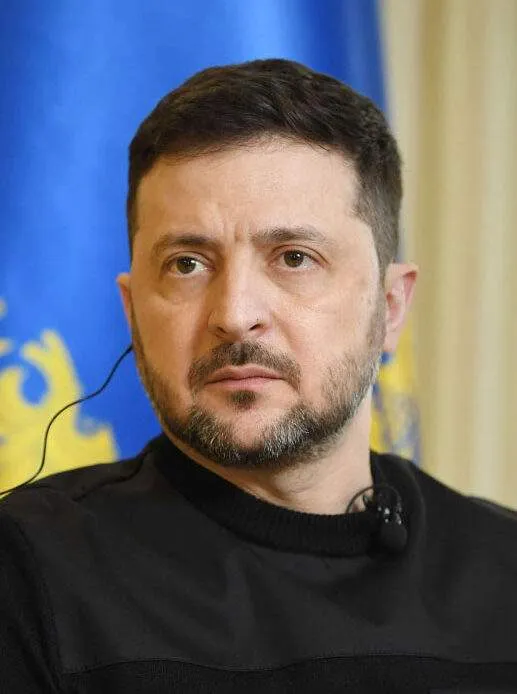
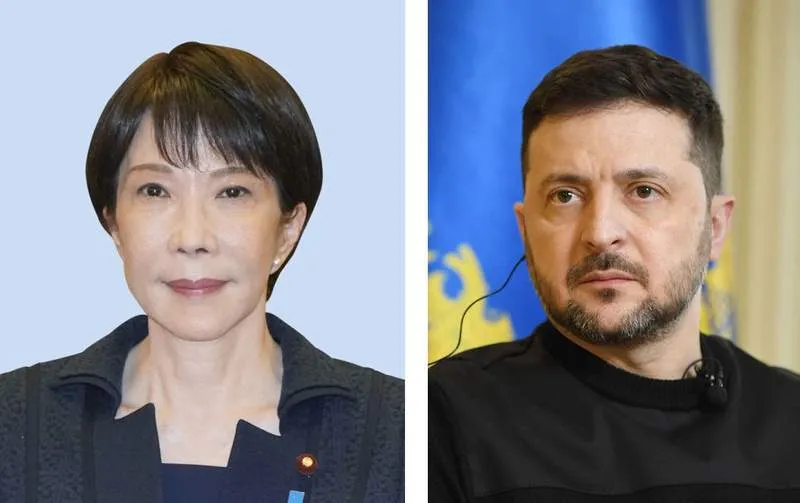
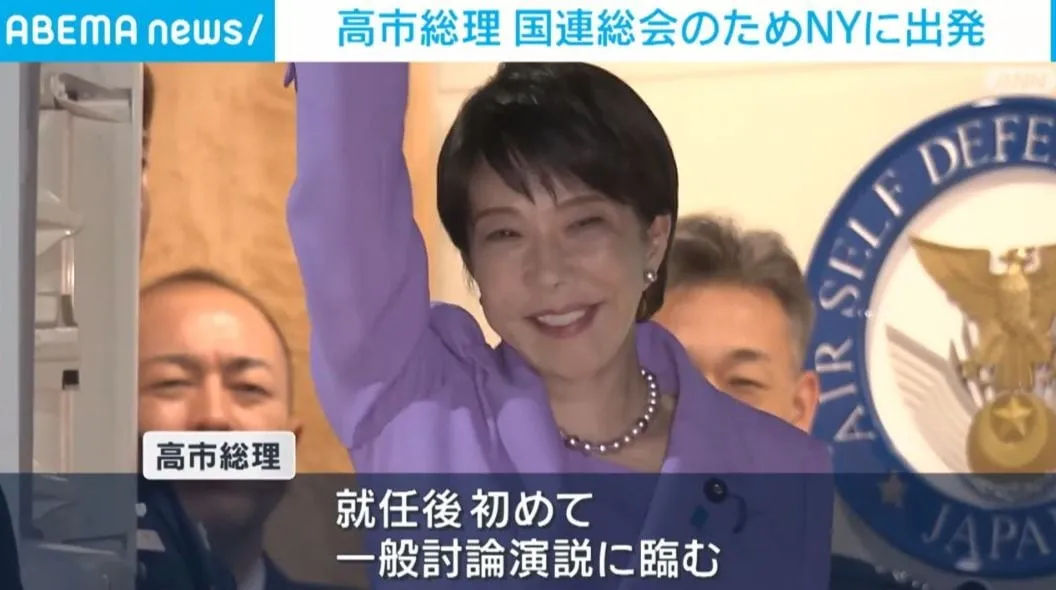
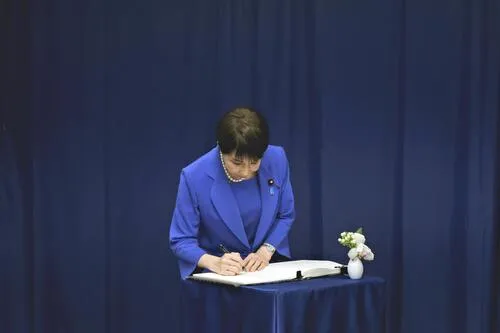
Prime Minister Takaichi met Ukrainian President Volodymyr Zelenskyy at United Nations headquarters in New York on September 22, local time, or September 23 in Japan, reaffirming Tokyo’s commitment to supporting Ukraine and maintaining pressure on Russia.
During the meeting, Takaichi emphasized the importance of international unity in helping Ukraine achieve what she described as a “just and lasting peace” as soon as possible. She said that countries must remain united in supporting Ukraine while continuing efforts to impose sanctions on Russia, which Japan regards as the aggressor in the ongoing conflict.
“It is important for countries to unite and support Ukraine in order to realize a just and lasting peace as soon as possible,” Takaichi said, according to the Japanese government’s account of the meeting.
A message of solidarity from Tokyo
The talks highlight Japan’s effort to remain actively engaged in the international response to the war in Ukraine. Although Japan is geographically distant from Europe, the government has consistently argued that the conflict has broader implications for the rules-based international order and global security.
For Japan, the issue also carries a direct regional dimension. Tokyo has repeatedly stressed that unilateral attempts to change the status quo by force could have consequences beyond Europe. Japanese officials have linked the need to uphold national sovereignty and territorial integrity in Ukraine with the importance of maintaining stability in the Indo-Pacific region.
Japan’s support for Ukraine has included diplomatic backing, humanitarian assistance and cooperation with international partners. The country has also participated in sanctions efforts against Russia. Takaichi’s remarks suggest that Tokyo intends to maintain this approach rather than allow international attention to shift away from Ukraine.
Importance of international cooperation
The meeting with Zelenskyy took place at a time when diplomatic coordination remains central to discussions about the war’s future. Ukraine continues to seek sustained political, economic and security support from its partners, while governments around the world face pressure to balance immediate security concerns with the long-term goal of peace.
By stressing collective action, Takaichi positioned Japan alongside countries that believe a durable settlement must respect Ukraine’s sovereignty and security. Her statement also reflects Japan’s preference for working through broad international cooperation rather than acting alone.
For foreign observers, the meeting offers a clear view of how Japan is presenting its role on the world stage. Tokyo is seeking to demonstrate that its foreign policy extends beyond East Asia and that Japan can contribute meaningfully to international diplomacy during major global crises.
Looking ahead
The immediate impact of the meeting will depend on how Japan and its partners translate political commitments into continued assistance and coordinated sanctions policy. Still, the talks delivered a significant message: Japan intends to remain engaged in efforts to support Ukraine and promote a peaceful resolution.
With the conflict continuing to shape international relations, Takaichi’s meeting with Zelenskyy underlined Tokyo’s belief that unity among nations remains essential. Japan’s position is that peace must be both fair and sustainable, and that achieving it requires persistent cooperation from the international community.