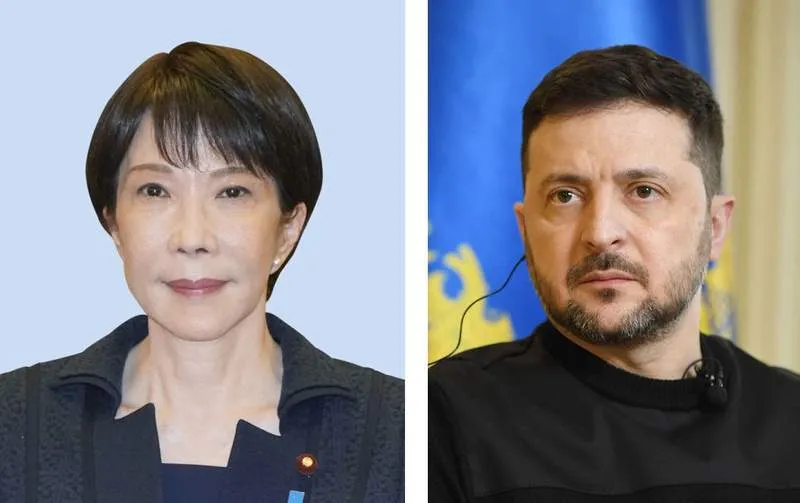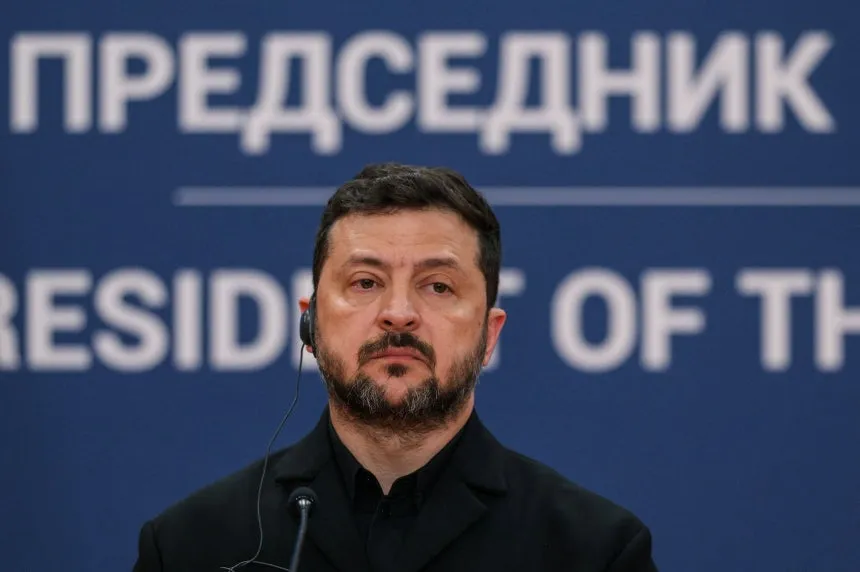
Ukrainian President Volodymyr Zelenskyy has expressed deep gratitude to Japan for what he described as “very powerful support” following his first formal meeting with Prime Minister Sanae Takaichi since she took office.
Speaking to reporters on the 25th, Zelenskyy said assistance from Japan was among the largest levels of support Ukraine has received from countries around the world. He specifically highlighted Japan’s humanitarian assistance and help in the energy sector, while offering thanks to the Japanese people.
“I am deeply grateful to the people of Japan. We will never forget it,” Zelenskyy said, according to the Kyodo report.
A first formal meeting since Takaichi became prime minister
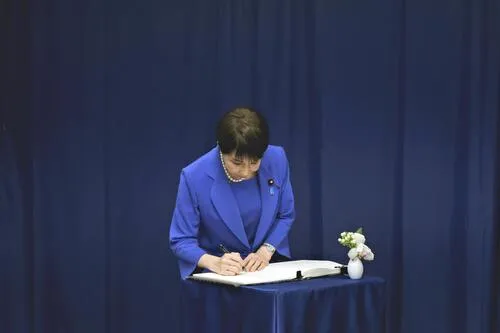
The meeting took place in New York on the 22nd local time, corresponding to the 23rd in Japan. It was the first formal talks between the two leaders since Takaichi became prime minister last October, marking an important opportunity to reaffirm Japan’s position on the war in Ukraine and discuss areas where Tokyo can provide further assistance.
Ukraine is currently seeking to strengthen its air-defense capabilities as Russian attacks continue to threaten cities, infrastructure and civilian life. During the meeting, Zelenskyy reportedly expressed expectations for additional air-defense support from Japan. Although Japan’s constitutional and legal framework places limits on the direct provision of lethal military equipment, Tokyo has continued to explore ways to support Ukraine through humanitarian, reconstruction, financial and security-related assistance.
Japan’s expanding role in support for Ukraine
Japan’s response to Russia’s invasion has been significant both diplomatically and economically. Tokyo has joined international sanctions against Moscow, provided financial and humanitarian assistance, and supported efforts to help Ukraine maintain essential services during the war. Energy assistance has become particularly important as attacks damage power-generation and distribution facilities, creating serious challenges for civilians during harsh winter conditions.
Japan has also emphasized Ukraine’s long-term recovery. In addition to emergency aid, the country has promoted cooperation in areas such as infrastructure rebuilding, agriculture, health care, demining and technological development. These initiatives reflect Japan’s broader experience in disaster recovery and its interest in supporting a rules-based international order.
Why the meeting matters
For Ukraine, Japan is an important partner in the Asia-Pacific region and a member of the Group of Seven major industrialized democracies. For Japan, continued support for Ukraine is closely linked to concerns about the wider international security environment, including the principle that borders should not be changed by force.
The meeting also underscores Tokyo’s effort to remain actively engaged in global diplomacy. While Japan is geographically distant from the conflict, its government has repeatedly argued that developments in Europe can affect stability in the Indo-Pacific. Support for Ukraine therefore forms part of Japan’s broader diplomatic message: that international cooperation and respect for sovereignty are essential to preserving peace.
Zelenskyy’s remarks offer a positive assessment of Japan’s contribution and could help reinforce public attention to Tokyo’s humanitarian and reconstruction role. As Ukraine continues to face urgent security and energy challenges, cooperation between the two countries is likely to remain an important element of Japan’s foreign policy.