Ukraine seeks a high-level visit from Japan
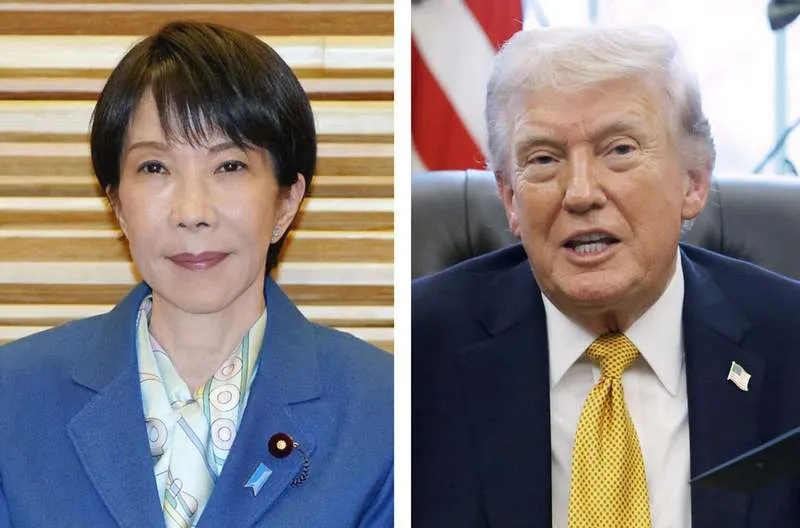
Ukrainian President Volodymyr Zelenskyy has invited Japanese Prime Minister Sanae Takaichi to visit Kyiv, highlighting the growing importance of Japan’s role in supporting Ukraine and responding to Russia’s invasion.
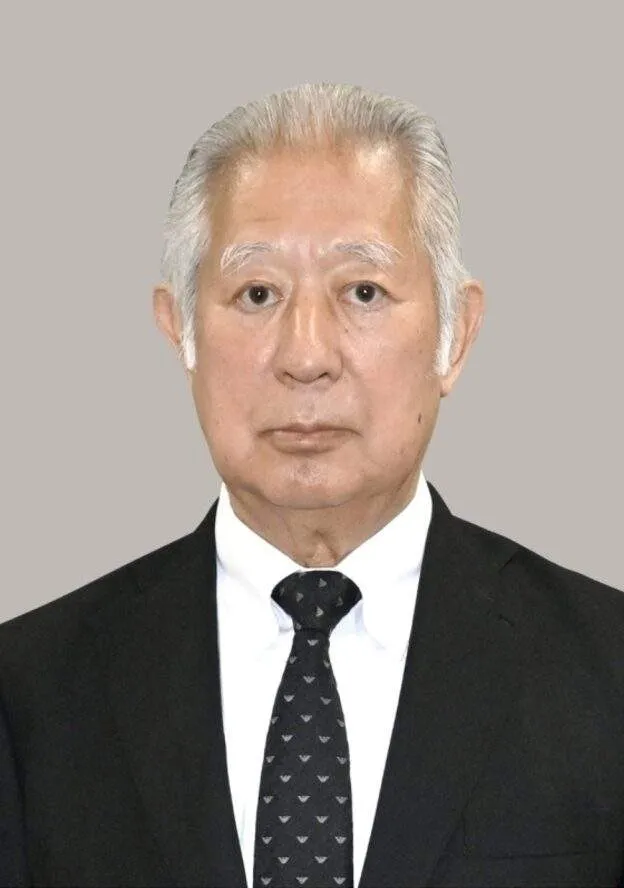
Hideki Mori, speaker of Japan’s House of Representatives, disclosed the request during an exclusive interview with Kyodo News in Kyiv on the 15th. Mori said Zelenskyy made the appeal during their meeting earlier that day and asked Japan’s prime minister to visit the Ukrainian capital. Mori responded that he would convey the request to Takaichi “appropriately.”
“I will tell her that there was a request for her to come,” Mori said, adding that the prime minister and those around her would consider the possibility of a visit.
A potential visit would build on Japan’s previous engagement
Former Japanese Prime Minister Fumio Kishida visited Kyiv in 2023, becoming the first Japanese leader to travel to Ukraine since Russia launched its full-scale invasion. Takaichi, who took office in October last year, has not yet made the trip.
For Ukraine, visits by foreign leaders serve both diplomatic and symbolic purposes. Kyiv has repeatedly encouraged senior officials from around the world to see the consequences of the war firsthand and to better understand what Ukraine describes as the humanitarian consequences of Russia’s aggression. A visit by Japan’s prime minister would underline Tokyo’s continued attention to the conflict, despite the geographical distance between Japan and Eastern Europe.
Zelenskyy later described his meeting with Mori as highly significant in a post on X, formerly known as Twitter. He said Takaichi would be welcome in Ukraine “at any time” should she decide to visit.
Focus on drones, energy and defense cooperation
According to Mori, the discussions also covered possible bilateral cooperation involving unmanned systems. Ukraine has rapidly developed and deployed unmanned aerial vehicles and unmanned surface vessels, often referred to as water drones, during the war. These technologies have become central to modern battlefield operations, surveillance and maritime security.
Zelenskyy reportedly called for cooperation between Ukraine and Japan in technological innovation related to these systems. Mori expressed support for a more open approach, saying Japan should consider cooperation with Ukraine by engaging candidly and constructively.
The two sides also discussed energy assistance and defense cooperation. Ukraine’s energy infrastructure has faced repeated attacks, creating a continuing need for support to protect electricity generation, transmission networks and essential services. Japan, with its advanced industrial base, disaster-management expertise and experience in infrastructure resilience, could contribute in areas that extend beyond traditional military assistance.
Why the issue matters for Japan
Japan has consistently condemned Russia’s invasion and provided financial, humanitarian and reconstruction assistance to Ukraine. Tokyo’s policy reflects its broader concern that attempts to change borders by force could create a dangerous precedent in the Indo-Pacific, where Japan faces its own security challenges.
Closer cooperation with Kyiv could also provide Japan with valuable insight into emerging technologies and the changing nature of warfare. Any future partnership would need to comply with Japanese law, government policy and decisions regarding defense exports, but the discussions indicate that the relationship is developing beyond humanitarian support.
A Takaichi visit would therefore carry a strong diplomatic message. It could reaffirm Japan’s solidarity with Ukraine, strengthen coordination among partners supporting Kyiv and demonstrate that Japan remains actively engaged in major international security issues. Whether and when such a visit takes place will depend on security, diplomatic and political considerations, but Zelenskyy’s invitation has placed the possibility firmly on the agenda.