Japan and South Korea Resume Senior Army-Level Engagement
Japan’s top Ground Self-Defense Force commander has visited South Korea for the first time in 17 years, in a move aimed at strengthening defense cooperation between the two neighboring countries.
Japan’s Ground Staff Office announced on the 30th that General Masayoshi Arai, Chief of Staff of the Ground Self-Defense Force, traveled to South Korea for a two-day visit from the 29th to the 30th. The visit was made at the invitation of the South Korean side and included talks with General Kim Gyu-ha, Chief of Staff of the Republic of Korea Army.
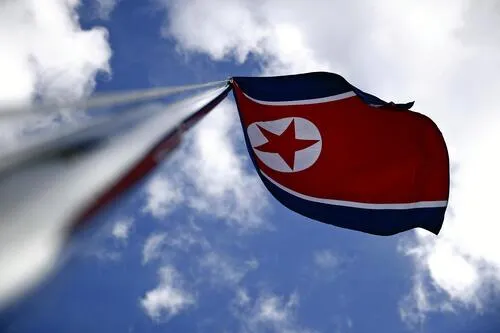
According to the Japanese Ground Self-Defense Force, the two commanders discussed defense cooperation between Japan and South Korea, including developments related to North Korea. Specific details of the discussions were not disclosed, but the meeting reflects the importance both countries place on maintaining communication and improving coordination in a rapidly changing security environment.
A Significant Visit Amid Regional Security Concerns
The visit marks the first trip to South Korea by a Japanese Ground Self-Defense Force chief since 2009. The long gap highlights the difficulties that have affected Japan-South Korea relations, particularly over historical and political issues. At the same time, the two countries have continued to share concerns about North Korea’s nuclear and missile programs, as well as wider security developments in the Indo-Pacific region.
For Japan, cooperation with South Korea is strategically important. Both countries are close neighbors of North Korea and maintain alliances with the United States. Regular communication among Tokyo, Seoul and Washington can help improve the sharing of information and support coordinated responses to regional security challenges.
Practical Cooperation in Focus
Although the latest meeting involved the chiefs of the two armies, its significance extends beyond a single round of talks. Senior-level exchanges can create channels for practical cooperation, including communication between military officials, humanitarian assistance, disaster response and coordination during regional emergencies.
Japan’s Self-Defense Forces also have extensive experience in disaster relief and civil protection, while South Korea maintains one of the region’s most capable military forces. Greater dialogue between the two countries could help build mutual understanding and reduce the risk of miscommunication, particularly during periods of heightened tension.
The visit also comes as Japan continues to strengthen its defense partnerships and expand security cooperation with countries that share its interest in a free and stable Indo-Pacific. Tokyo has emphasized the importance of working with partners while maintaining transparency and respect for international law.
Looking Ahead
The meeting between General Arai and General Kim does not resolve all political differences between Japan and South Korea. However, the resumption of high-level Army engagement provides a constructive opportunity to focus on shared security interests. Continued dialogue will be essential if both countries are to develop more reliable cooperation while managing sensitive historical and diplomatic issues.
For foreign observers interested in Japan, the visit offers a clear example of how the country is using defense diplomacy to reinforce regional stability. While Japan remains committed to its exclusively defense-oriented policy and constitutional framework, it is also placing greater emphasis on communication and partnerships in response to a more challenging security environment.