Despite adequate sleep, many people experience persistent fatigue. According to brain surgeon Dr. Michihito Sugawara, the root cause often lies not in the body but in the brain, specifically involving autonomic nervous system dysfunction.
Understanding Autonomic Nervous System Overload
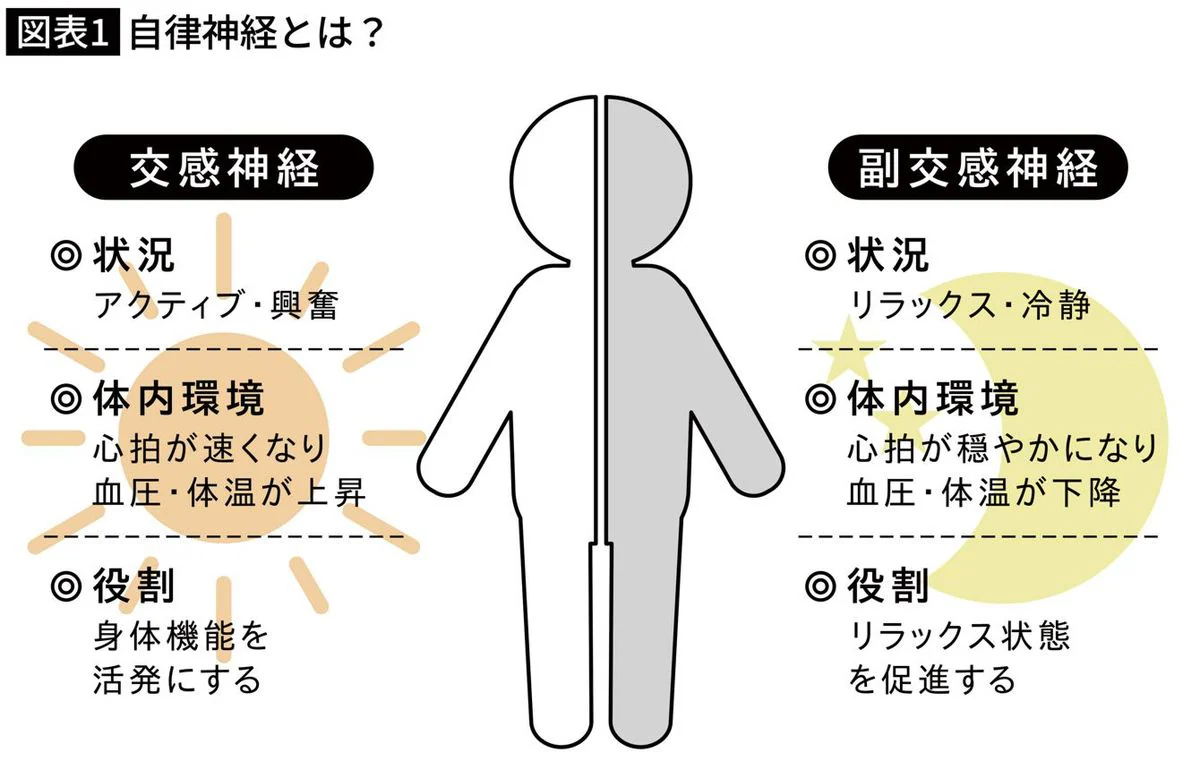
The sympathetic nervous system (activating) and parasympathetic nervous system (resting) must maintain dynamic balance rather than perfect equilibrium. Problems arise when one system dominates excessively or functions weakly, creating what Dr. Sugawara describes as "autonomic nervous system runaway" - where the brain exhausts itself trying to restore balance.
The Dangers of Constant Sympathetic Dominance
Chronic stress, constant connectivity, and work pressures keep many people in sustained sympathetic states, leading to elevated heart rate, blood pressure, and eventual exhaustion. This state prevents genuine recovery even during rest periods.
Unexpected Risks of Parasympathetic Overactivity
While relaxation seems beneficial, excessive parasympathetic activity can lead to lethargy, lack of motivation, and poor performance when activation is needed. Balance rather than constant relaxation proves essential for optimal functioning.
Practical Reset Strategies
Dr. Sugawara recommends two primary approaches for resetting autonomic nervous system fatigue. First, portion control: modern sedentary lifestyles require significantly less food than many people consume. He suggests aiming for 60% fullness rather than 80%, noting that historical Japanese diets consisted of two meals daily rather than three.
Second, quality sleep: rather than focusing solely on duration, individuals should identify their personal optimal sleep length through daytime sleepiness monitoring. The goal is sufficient FR (Fatigue Recovery) factor production during sleep to counteract FF (Fatigue Factor) accumulation.
Sleep Quality Enhancement Techniques
Investing in quality bedding, avoiding pre-sleep alcohol and smartphone use, taking 15-minute naps, and maintaining regular circadian rhythms through morning sunlight exposure all contribute to improved sleep quality and autonomic nervous system regulation.
These strategies address the root causes of fatigue rather than merely treating symptoms, offering sustainable solutions for chronic tiredness.