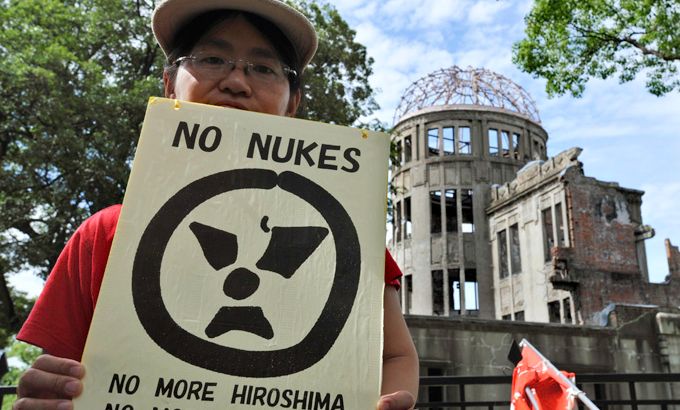
Public Outcry as Prime Minister Takaichi Opens Door to Revising a Cornerstone of Japan’s Postwar Policy
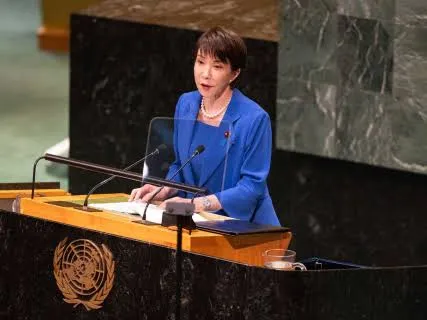
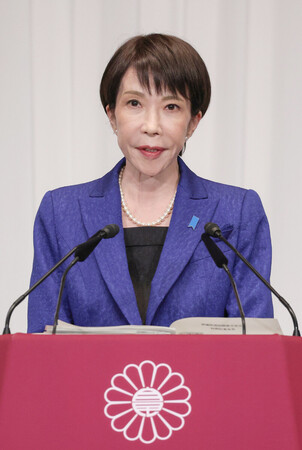
Anger is mounting among Japanese citizens who have long campaigned for a world free of nuclear weapons after Prime Minister Sanae Takaichi initiated a review of one of the country’s celebrated Three Non-Nuclear Principles—specifically, the commitment to “not permit the introduction” of nuclear arms onto Japanese soil. For many, the move touches a raw nerve in a nation that uniquely experienced atomic bombings and later saw its fishermen and Pacific neighbors harmed by Cold War-era nuclear testing.
A Daughter’s Fight, A Nation’s Memory
In Kochi City, 74-year-old Setsuko Shimomoto has spent years seeking accountability for the legacy of radiation exposure. Her father, a crew member on a Japanese fishing boat, was irradiated by fallout from U.S. hydrogen bomb testing at Bikini Atoll in the Marshall Islands in 1954. Shimomoto has filed two lawsuits against the state and others, arguing that officials failed to fully disclose and redress the scope of contamination. News of the government’s willingness to revisit the non-introduction principle, she says, is a stark betrayal.
“Nuclear weapons, which lead to the ruin of humanity, must be eliminated—there is no other option. What on earth are they thinking?”
Her views echo through a country where memories of Hiroshima and Nagasaki inform a deep-rooted aversion to nuclear arms. But they also reflect the often-overlooked story of the 1954 Castle Bravo test—at 15 megatons, the largest U.S. nuclear detonation—which scattered radioactive fallout across the Pacific, reaching Japanese tuna fleets and Marshallese communities. The “Lucky Dragon No. 5” incident, in which a Japanese trawler’s crew was exposed and one crewman later died, remains a national touchstone for anti-nuclear sentiment.
Firsthand Witness to Long Shadows
Shimomoto traveled to the Marshall Islands in March 2024, meeting residents still grappling with health and environmental repercussions. She recalls how, for years, young people died at alarming rates and infants presented congenital abnormalities—stories that have fueled a lasting distrust of Washington among islanders who say explanations and compensation were incomplete. The U.S. established a nuclear claims process decades ago, but many in the Marshall Islands contend that the true scale of damage outstripped available remedies, leaving communities with unresolved grievances and intergenerational anxieties.
For Shimomoto, those conversations reinforced a conviction: Japan, itself a victim of both wartime atomic bombings and Cold War testing fallout, should press the United States harder for transparency and responsibility. “In addition to the atomic bombings, Japan also suffered from the Bikini tests,” she says. “We should be more assertive in holding America to account.”
A Contested Review: What “Not Allowing Introduction” Means
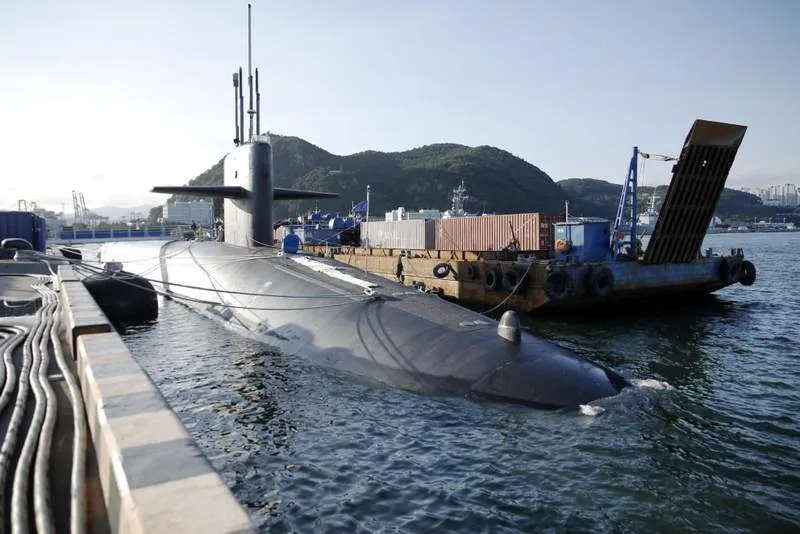
Japan’s Three Non-Nuclear Principles—“not possessing, not producing, and not permitting the introduction” of nuclear weapons—were articulated by Prime Minister Eisaku Sato in 1967 and endorsed by the Diet in 1971. They are not codified as statute, but they have become a moral and political lodestar for postwar policy. Historically, however, the “not introducing” pledge has been fraught: Cold War-era ambiguities around port calls by U.S. vessels and later revelations of secret understandings complicated public trust, even as Japan remained under the U.S. “nuclear umbrella” for deterrence.
The current review signals a potential shift in how Tokyo balances its ethical commitments with strategic realities. Proponents argue that rising regional threats—from North Korea’s advancing arsenal to China’s rapid missile buildup and Russia’s nuclear saber-rattling—require a hard look at the credibility of extended deterrence. Some conservative lawmakers have floated “nuclear sharing” discussions akin to arrangements within NATO, although any such step would collide with political taboos and legal constraints, including the Atomic Energy Basic Law’s prohibition on military uses of nuclear power.
Public Sentiment and Political Risks
Opposition lawmakers and activists swiftly condemned the review, warning that even a limited reinterpretation could erode a defining postwar restraint. Public opinion in Japan has consistently leaned against nuclear armament or hosting nuclear weapons, and any policy shift risks prompting a backlash, especially in Hiroshima and Nagasaki, where hibakusha survivors remain influential voices. Many analysts note that successive governments have tried to square the circle by reaffirming the non-nuclear principles while relying on U.S. extended deterrence—an uneasy compromise now facing renewed stress.
Beyond Deterrence: A Call for Regional Disarmament
Shimomoto urges Tokyo to lead, not follow. “Rather than simply aligning with America’s nuclear policy,” she says, “Japan should take the initiative to realize a Northeast Asia Nuclear-Weapon-Free Zone that includes China, South Korea, and North Korea.” Such zones exist elsewhere—from Latin America to Africa and Central Asia—codifying commitments to forgo nuclear arms and accept verification. Advocates argue that a regional pact, even if initially symbolic, could establish guardrails, reduce miscalculation, and create diplomatic leverage for phased risk-reduction steps like missile test notifications, fissile material controls, and crisis hotlines.
Critics counter that North Korea’s established arsenal and lingering mistrust among regional rivals make a near-term zone implausible. Still, supporters say that Japan, given its history and advanced diplomatic standing, can spearhead interim measures: strengthening negative security assurances from nuclear-armed states, deepening transparency on fissile materials, and investing in verification technologies that would underpin any future treaty. In their view, aligning national security with global non-proliferation norms is not only morally consistent but strategically prudent.
Legal and Strategic Crossroads
Any recalibration of the “not introducing” principle would raise practical questions. Would nuclear-armed port calls or transits be permitted, and under what disclosure? How would such steps be reconciled with local governments and publics that host key bases and harbors? And how would Japan manage the diplomatic ripple effects—both with neighbors wary of militarization and with allies pressing for a tougher regional posture?
The government has not outlined specific changes, framing the review as part of a broader reassessment of deterrence. That ambiguity has fueled speculation and anxiety. For plaintiffs like Shimomoto, who tie national policy to lived experience and historical memory, the stakes are existential. “There is only one responsible path,” she insists. “We must move toward the abolition of nuclear weapons.”
What Comes Next
As debate intensifies, lawmakers face a tightrope: reassuring a public grounded in anti-nuclear principles, preserving alliance deterrence amid a volatile security environment, and honoring the testimonies of those harmed by the nuclear age—from Hiroshima and Nagasaki to Bikini and the Marshall Islands. Whether the review results in a formal policy shift or retreats in the face of resistance, it has already reignited a national reckoning over what Japan owes to its past—and what it promises to its future.