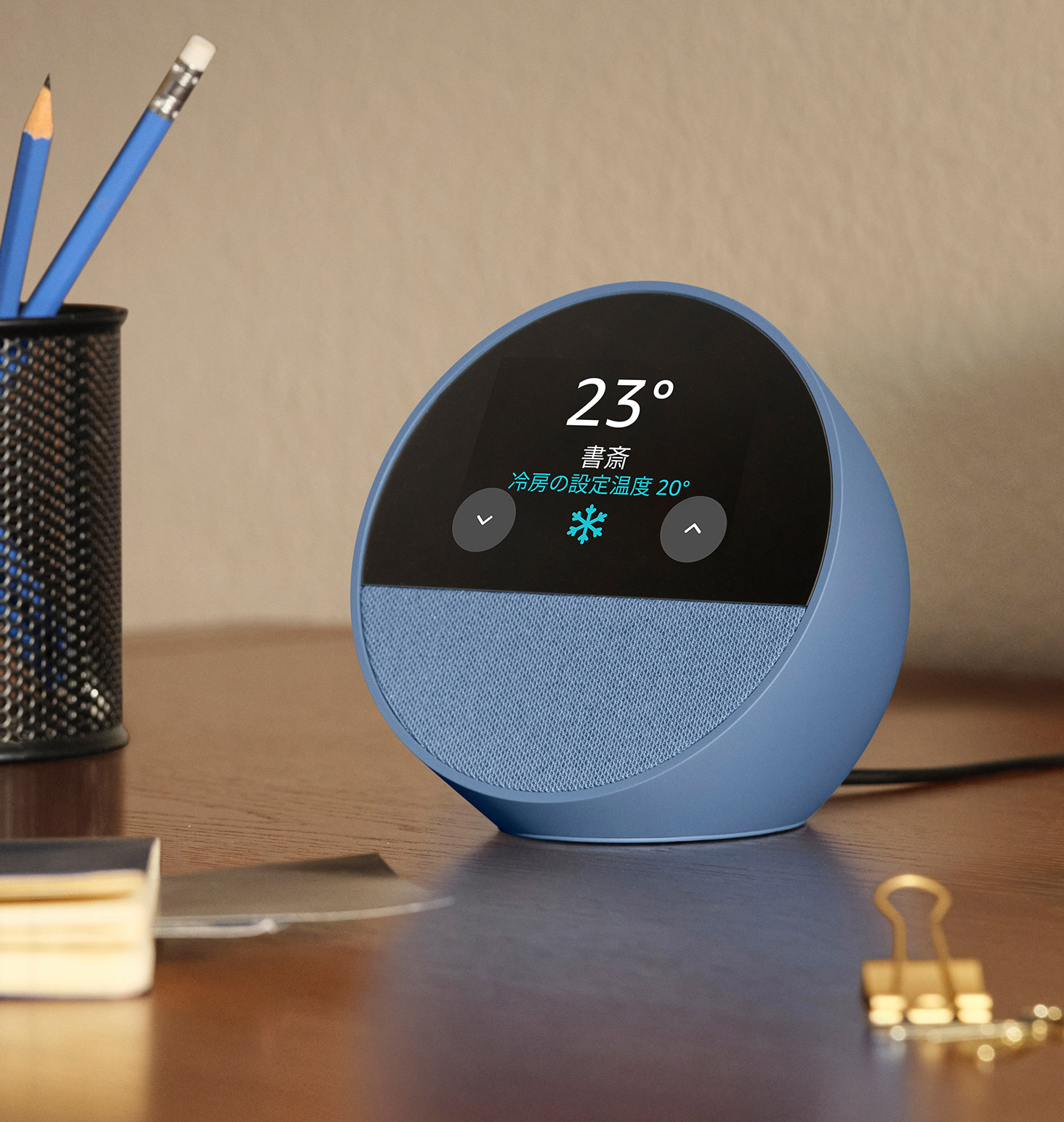
Amazon’s Echo Spot returned to the market in 2024 as a compact, bedside-focused smart display with Alexa — and early users in Japan say the rebooted “smart alarm clock” is delivering clear sound, at‑a‑glance information, and genuinely useful home control from the nightstand. The device, which features a small curved display and a refined, minimalist profile in Black (with a Glacier White option available), is designed to offer the essentials of Alexa with a screen that stays out of the way until you need it.
What’s new: a refined bedside design with brighter sound
The updated Echo Spot centers on the use-case people actually perform most at the bedside: quick glances and quick asks. Its curved display shows time, weather, and what’s playing, while touch controls let you pause or skip without fumbling for a phone. Amazon has leaned into audio this generation, promising clear vocals and surprisingly robust low end for a compact form factor. The idea is to be as capable at waking you up with favorite music as it is at setting timers or reading the forecast.
Customization is a core theme. Users can choose clock faces and color accents to match a room’s palette; the display makes it simple to see the time, check reminders, or confirm that the next alarm is set. For content, owners can ask Alexa to play music, podcasts, or audiobooks and see track information at a glance. As always with streaming services, some subscriptions or registrations may be required.
Smarter alarms and morning routines
From wake-up routines to wind-down habits, the Echo Spot is pitched as a personal routine engine. You can set your favorite song as an alarm, create Alexa routines that slowly brighten compatible smart lights before the alarm sounds, or ask for traffic and weather while you get ready. For the evenings, reminders and voice-controlled audio provide a hands-free way to settle down without a bright phone screen in your face.
Small screen, big utility — with some trade-offs
Because the Spot is a smart alarm clock first and a smart display second, it embraces constraints. The compact screen is excellent for clock faces and now playing info, and it keeps the form factor minimal on a crowded nightstand. One early buyer, though, noted that they wished the numerals were “brighter and bigger” for instant readability when half-awake. Another pointed out that lyrics don’t display during music playback; users seeking more visual features may prefer larger-screen Echo Show models. That said, several reviewers praised the way the display stays unobtrusive until needed, a contrast some buyers specifically preferred over other small smart displays.
Smart home control from the pillow
Alexa remains the Spot’s trump card. The device can control compatible smart home products — lights, plugs, thermostats, and more — by voice or via routines. With motion detection triggers, routines can switch off air conditioning when you leave or open curtains when you enter. For appliances without native Alexa support, owners in Japan noted success using an Alexa-enabled smart remote from third parties to bridge the gap, with one reviewer recounting how a Black Friday bundle with a TP-Link smart remote turned the Spot into a voice remote for their TV and AC. It’s a clearer illustration of Amazon’s nightstand-first strategy: a small display plus a confident microphone array can anchor daily home interactions without requiring you to pick up a phone or find a remote.
Privacy and sustainability front and center
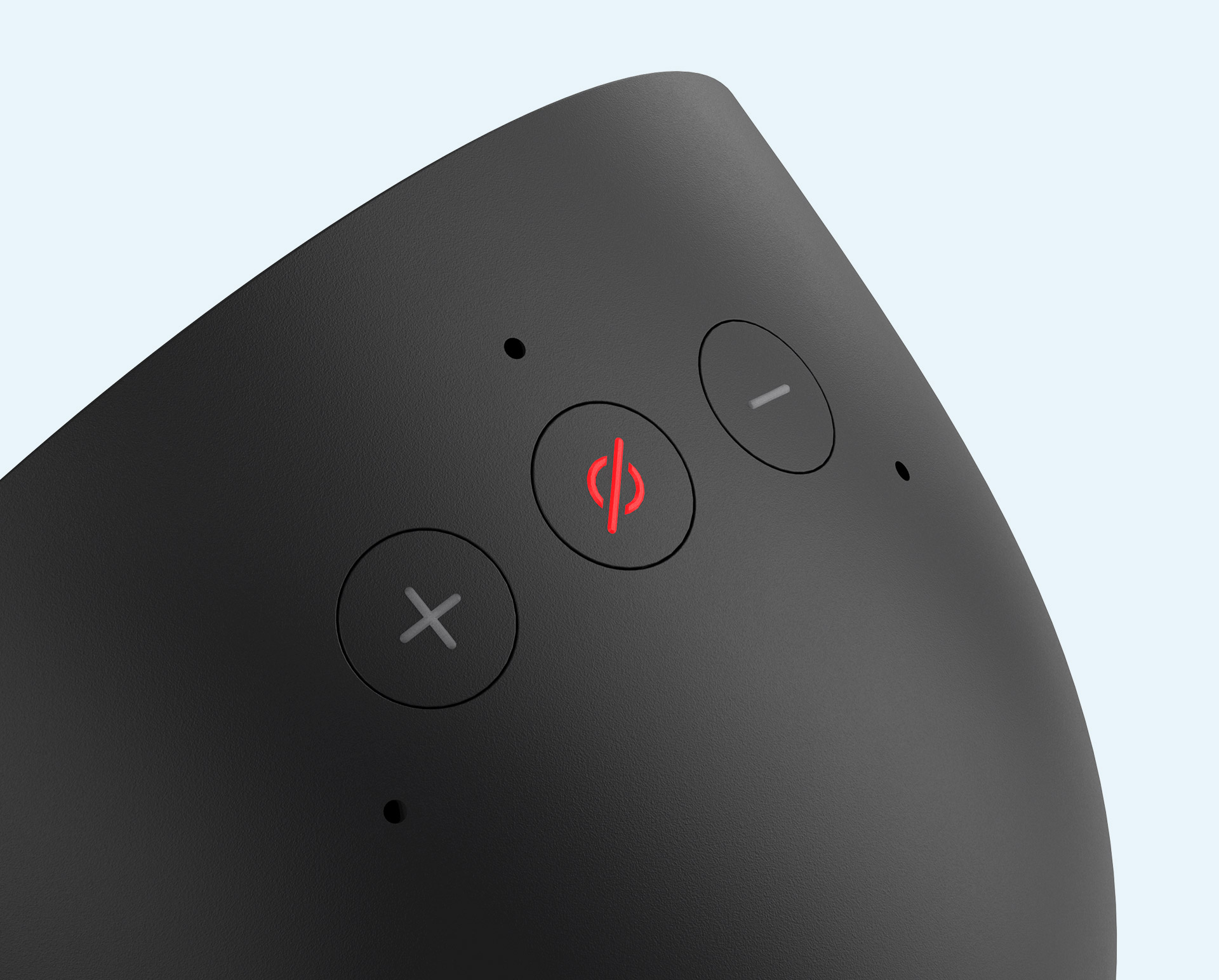
Amazon stresses privacy controls in the design. There is a microphone on/off button and settings within the Alexa app to manage voice data and permissions, and the company says it does not sell customers’ personal information. On the sustainability front, Amazon says the Echo Spot uses 36% recycled materials, underscoring a broader corporate push to bake recycled content into mainstream hardware.
How it compares — and why some buyers chose it over Echo Show
While Amazon also sells the Echo Show 5 as its compact smart display, several Japanese buyers said they preferred the Spot for the bedside because the screen is less intrusive. One purchaser specifically cited concerns about a perpetually lit screen and promotional content on other models, saying they opted for the Spot’s subtler, clock-first approach. The calculus is straightforward: if you want lyrics, video calls, and more visual multitasking, a larger smart display makes more sense. If you want a discreet clock with good audio and full Alexa capability, the Spot hits a sweet spot.
Early verdict from Japan: high marks for sound and convenience, with a few bugs to squash
Top customer reviews posted in Japan through late 2025 sketch a mostly positive picture. Several 5‑star write-ups praised the Spot’s “simple” operation and unexpectedly solid sound for its size, with one declaring they “should have bought it sooner.” Another lauded the way it blends into a white desk setup as both a stylish clock and a hands-free remote for air conditioning during PC work. A gadget enthusiast who used the Spot for roughly a year said they liked it enough to buy three units, sometimes pairing two for stereo playback. They singled out jazz and orchestral music as genres that benefit from the device’s low end, and emphasized how, once fully configured, Alexa voice control can handle far more than the product page suggests — from opening curtains to checking outdoor security cameras.
Constructive criticism also surfaced. A four-star reviewer said they wished the time digits were bigger and brighter for groggy eyes. Another, who gave three stars after more than a year of use, reported a persistent Japanese-language date display glitch — a repeated character in periodic time/date rotations — that hadn’t been fixed by software updates at the time of their review. The same user noted a change in how a particular time-announcement skill was invoked, saying they had to add the word “skill” to the voice command for proper operation, a shift they viewed as a bug. These software-level quirks are not uncommon in the smart home space, and they underscore the importance of ongoing updates to keep device behaviors consistent. One more recurring theme: the screen’s compact size is a feature if you want a discreet clock, and a limitation if you expect a fully featured smart display. Buyers who framed the Spot as a smart alarm clock tended to be happiest, while those seeking richer on-screen features leaned toward Echo Show models.
Availability, value, and what to know before you buy
In Japan, the Echo Spot is sold as a 2024 model with color options including Black and Glacier White, and it often participates in major sales events — several positive reviews referenced Black Friday discounts. As with most Alexa devices, the value proposition improves as you integrate it with compatible hardware: smart lights for gradual wake-ups, smart plugs for one-sentence control of fans or heaters, and smart remotes for legacy appliances. Potential buyers should keep in mind that some services require separate subscriptions, and that non‑Alexa appliances will need an intermediary device such as an Alexa-enabled smart remote to work with voice commands.
As the bedside category heats up, Amazon’s refreshed Echo Spot makes a strong case for the “just enough screen” approach. Early Japanese adopters say it sounds better than it looks, fits into minimalist spaces, and — with Alexa routines — quietly does the morning and evening chores without the cognitive load of a bright phone. If Amazon can stay on top of the reported software quirks, the 2024 Spot may become the default smart clock for users who want their nightstands to be smarter, not busier.