Walk down the oral-care aisle of any Japanese drugstore and you’ll be greeted by packaging that promises kindness: “gentle on teeth and gums,” “additive-free,” “soothing massage.” Yet inside clinics across Japan, dentists routinely meet diligent patients whose mouths still aren’t improving—despite fastidious routines. What’s going wrong? According to dental professionals, the problem often isn’t effort, but equipment. Some of the most tempting “gentle” tools simply don’t do the job. In this first part of a three-item “do-not-buy” list, we examine why silicone toothbrushes and interdental tools—and ultra-soft bristle brushes—are products many dentists would never choose for daily self-care.
Why “gentle” can fail against plaque
To understand the issue, start with plaque. Think of it as biofilm—a sticky, living layer—more like the slimy coat that clings to a kitchen drain than loose dirt you can rinse away. Biofilms resist passivity; they demand disruption. In dentistry, that disruption is mechanical: bristles need to contact the tooth surface and gumline at the right angle, with small, controlled motions, to shear the film off. Tools that feel soft or soothing can be comforting, but if they can’t physically break up biofilm, they won’t prevent decay or gum disease. That mismatch is at the heart of the silicone trend’s shortcomings.
Silicone brushes: comfortable, but too forgiving
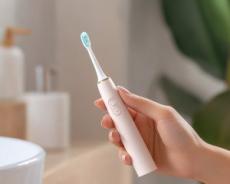
Silicone toothbrushes and silicone-tipped interdental brushes are marketed as painless alternatives that won’t scratch enamel or irritate gums. That image is partly true—and it’s precisely the problem. Compared with nylon bristles, silicone lacks the tip stiffness and fine edges needed to reliably disrupt plaque along enamel surfaces and at the gum margin. The result: they feel good, but leave biofilm behind. Over time, that residual film feeds inflammation and caries, even in people who think they’re doing everything right.
Ultra-soft bristles: when “gentlest” means “ineffective”
Similar logic applies to ultra-soft nylon brushes. While soft is often recommended for comfort and to avoid abrasion, “extra-soft” can be too yielding to clean effectively—especially if your technique is not textbook perfect. In daily life, most people need a small-headed brush with soft-to-medium bristles that can flex, splay slightly, and reach into the contours where plaque anchors. A brush that collapses on contact may glide over biofilm rather than disturbing it.
Gum massage promises: reassuring, but evidence is thin
Some silicone tools are sold for “gum massage,” implying better blood flow and disease prevention. At present, there’s no strong clinical evidence that massaging gums alone improves periodontitis outcomes. In fact, when gums are inflamed, vigorous rubbing can be counterproductive, adding irritation without removing the bacterial film driving the inflammation. For periodontitis prevention, cleaning into the sulcus—the shallow groove where gum meets tooth—is what matters. Silicone tips typically don’t penetrate this zone effectively.
The technique dentists actually trust
For daily self-care, Japanese clinicians commonly recommend a modified Bass technique: place a standard toothbrush at roughly a 45-degree angle to the gumline so the bristle tips hug the margin, then use gentle, short, vibratory strokes, advancing tooth by tooth. This geometry lets bristles slip slightly under the edge of the gum to dislodge biofilm where disease begins. Done correctly, it’s safer and more effective than massaging with soft silicone fins that never reach the target.
The “clean enough” trap
Perhaps the biggest risk with silicone brushes is psychological. Because they glide smoothly and never poke, users often feel they’ve had a thorough clean. But absence of discomfort isn’t evidence of cleanliness. Dentists in Japan frequently see this pattern: polished-looking teeth, persistent bleeding on probing, and plaque that wipes off readily during the exam—proof it wasn’t disrupted at home. A false sense of security allows disease to simmer.
Where silicone interdental tools can help
Silicone interdental picks do have a place: they’re handy on the go, especially after meals, and they’re less likely than toothpicks to gouge tissue or wedge food deeper. As a quick fix in a café or on a train platform, they’re a pragmatic, safer choice. But they’re not a substitute for proper interdental cleaning. The purpose of between-teeth care isn’t just to evict trapped spinach—it’s to remove plaque from the narrow contact areas and along the gumline between teeth, where caries and gum disease often begin.
What to use at home instead
At home, dentists recommend dental floss for tight contacts and wire-core interdental brushes sized to the gap for wider spaces. The goal is tactile, deliberate disruption: floss hugs the tooth with a C-shape and slides under the gum edge; interdental brushes sweep the side walls. Pair this with a quality nylon-bristle toothbrush (small head, soft-to-medium bristles, tapered tips) and fluoride toothpaste, brushing for about two minutes twice daily. In Japan—where preventive care has advanced under national campaigns like 8020 (keep 20 teeth at age 80)—these straightforward, evidence-based habits outperform gadgetry.
Japan’s edge: prevention culture meets realistic guidance
Japan’s dental community excels at practical, prevention-first advice grounded in clinical realities: technique over trend, habit over hype. That ethos suits an aging society where gum health is central to nutrition, speech, and overall well-being. By emphasizing tools that genuinely disrupt biofilm and by scheduling regular check-ups, Japanese patients can protect their smiles without overspending on “miracle” devices. Consumer-friendly marketing isn’t the enemy—but clarity about what actually removes plaque is essential.
Bottom line
Dentists’ verdict on Item 1 of the do-not-buy list is clear: skip silicone toothbrushes, silicone-tipped interdental brushes for daily cleaning, and ultra-soft bristle brushes as your main tools. They may feel gentle, but they’re often too gentle on plaque. Use silicone picks only as a convenient stopgap after meals away from home. For real prevention, rely on proven methods: a standard nylon-bristle brush applied at 45 degrees to the gumline, plus floss or appropriately sized interdental brushes each day. Comfort matters—but cleaning power matters more. In oral care, “gentle” should never mean “ineffective.” As Japan’s dentists remind us, smart technique with the right tools is the most reliable way to keep disease at bay. The next items on the list will continue this evidence-based look at products professionals routinely avoid—and what to choose instead.