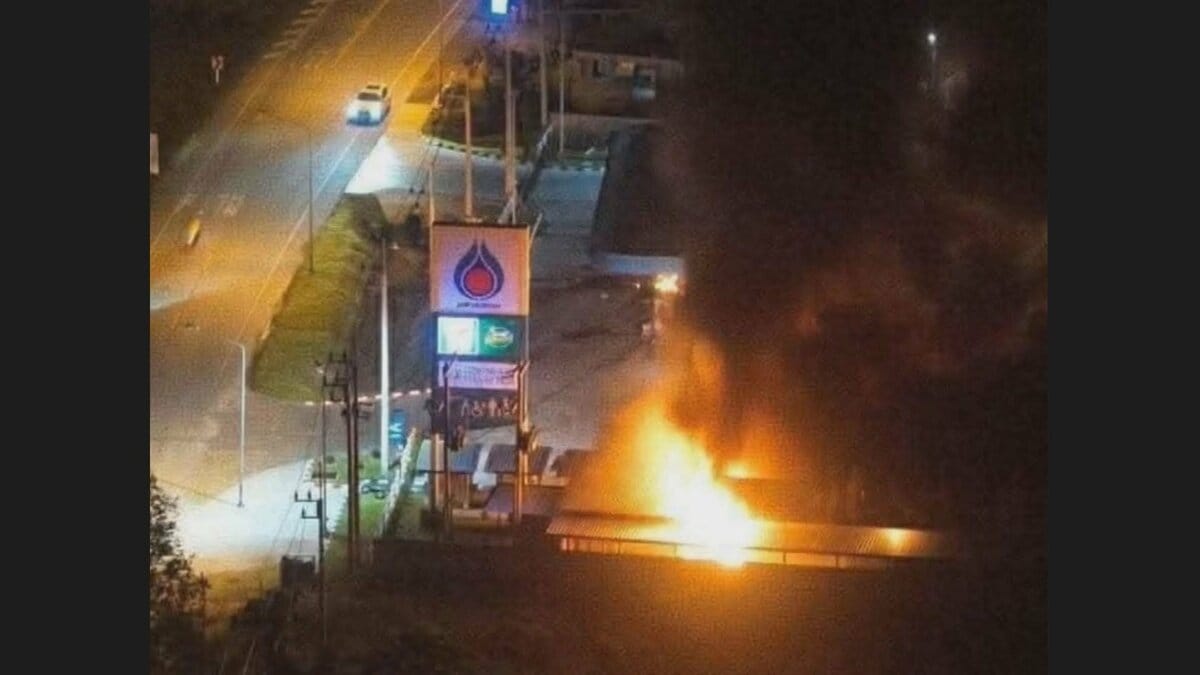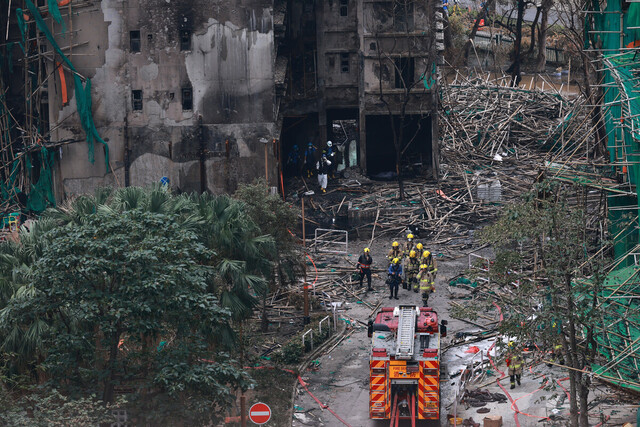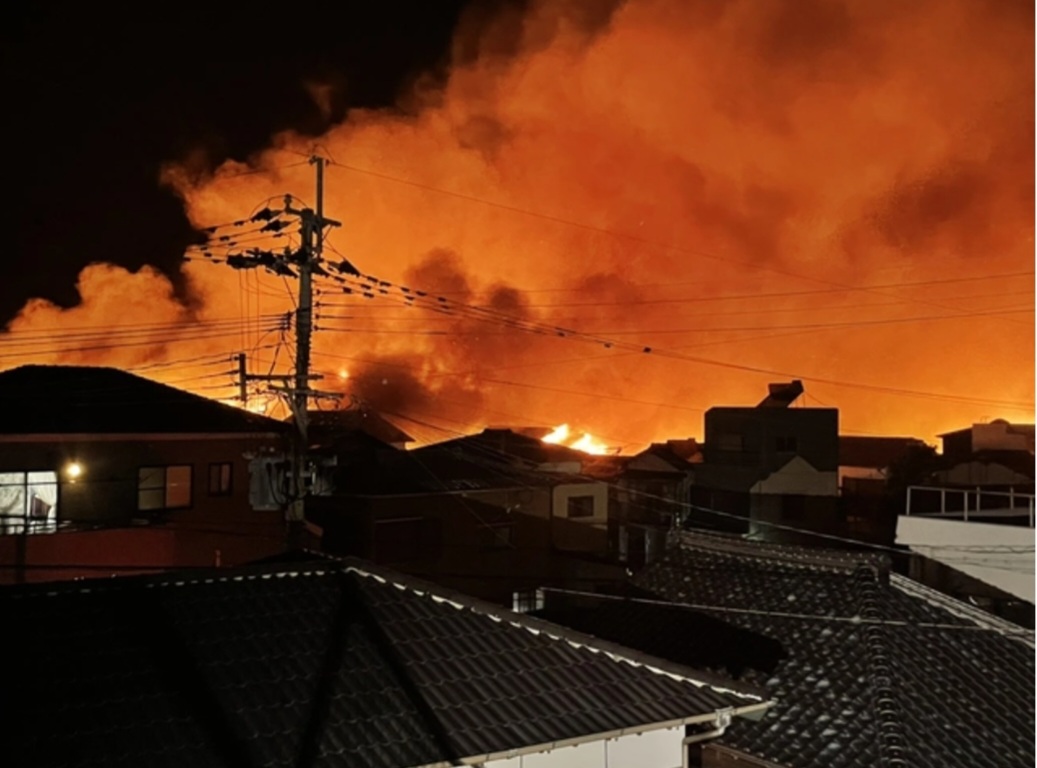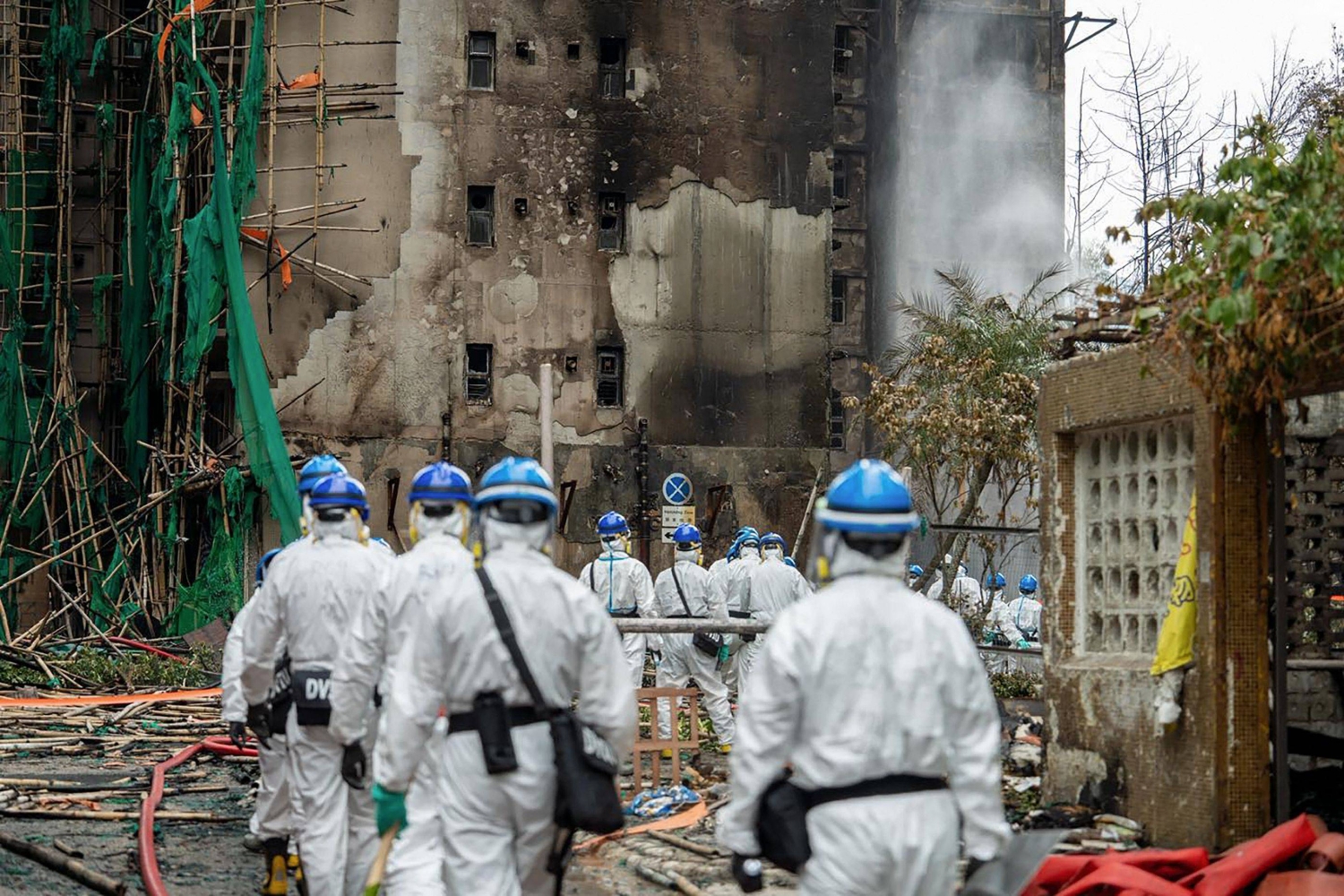
Hong Kong will establish an independent commission of inquiry to investigate a major blaze that tore through a high-rise residential block in Tai Po, Chief Executive John Lee announced on the 2nd. The judge-led panel will be tasked with determining the cause of the fire and identifying whether construction practices, oversight, or regulatory gaps contributed to the rapid spread of the flames. Despite the incident’s impact and mounting public concern, Lee said the Legislative Council election scheduled for the 7th will proceed as planned.
Independent Commission With Judicial Leadership
Lee told reporters the government would appoint a judge to head the commission, underscoring the intent to provide a fact-based, credible account of what happened and why. In Hong Kong, judge-led commissions of inquiry carry significant weight; they are seen as independent, can summon witnesses, and typically report publicly with recommendations. The approach mirrors the government’s response to other high-profile incidents over the past decade, including inquiries used to scrutinize complex systemic failings. By opting for a commission rather than a routine departmental review, the administration signaled that accountability, regulatory clarity, and public trust are central to its response.
Fire Spread Linked to Temporary Works Materials
Preliminary indications suggest that materials deployed for repair and renovation work—including polystyrene boards and protective netting—played a role in intensifying the blaze. Expanded polystyrene, commonly used as a lightweight insulating barrier and to shield windows and common areas during facade works, is highly combustible. When ignited, it can melt, drip, and feed flames, while emitting dense smoke. Protective safety netting, widely used in Hong Kong to contain debris around scaffolding—often bamboo—can also burn and contribute to flame spread if not treated with fire retardants. These elements are part of a broader ecosystem of temporary works that are ubiquitous across the city’s built-up neighborhoods.
Witness accounts and early observations, which the commission will test against forensic evidence, indicate the fire raced along external surfaces lined with these materials, complicating evacuation and firefighting. While officials did not provide finalized details on casualties or the damage toll, the intensity of the blaze and the difficulty of suppression have intensified scrutiny of site safety and the governance of maintenance works in densely populated estates.
Regulatory Spotlight on Contractors and Oversight
The incident has quickly sparked public questions about contractor practices and the responsibilities of supervisory authorities. At the center are safety protocols for temporary structures, material storage, and hot works; the adequacy of fire breaks and extinguishers at worksites; and the training and supervision of subcontracted labor. In Hong Kong, the Buildings Department oversees building works and compliance with codes, the Fire Services Department enforces fire safety standards, and the Labour Department regulates occupational safety. Property management companies and owners’ corporations also share responsibilities for permitting, site access, and maintenance coordination.
Analysts say the commission could examine whether current rules sufficiently address the composite risks posed by simultaneous renovation projects, especially on older facades. It may also probe whether fire-retardant standards for nets and temporary materials are properly enforced, whether routine inspections are frequent and rigorous enough, and whether penalties deter non-compliance. Past incidents in the territory and across the region have shown how seemingly minor site lapses—such as improperly stored flammable materials or inadequate segregation between work zones and occupied areas—can dramatically worsen outcomes when a fire ignites.
Global Lessons on Facade and Temporary Works Fires
Experts note that the Tai Po blaze echoes a global pattern: fires that leap across exterior surfaces, fueled by cladding or temporary materials, can overwhelm standard firefighting tactics. International disasters have put flammability standards under unprecedented scrutiny, and while Hong Kong’s permanent building codes are widely regarded as stringent, temporary works often fall into a regulatory gray zone where multiple parties share responsibility. The commission’s remit is expected to clarify those lines and recommend reforms, whether through new licensing conditions for contractors, enhanced inspection regimes, or tighter rules on permissible materials during works in occupied buildings.
Election to Proceed Amid Heightened Safety Focus
Lee emphasized that preparations for the Legislative Council election on the 7th will continue, with authorities balancing governance continuity and public safety. Election activities and polling operations typically involve extensive logistical deployments citywide; officials are likely to stress that fire safety and emergency readiness near polling venues remain intact. Politically, maintaining the electoral timetable signals confidence that emergency response and investigative processes can advance in parallel with core government functions.
What the Commission Could Deliver
Judge-led commissions in Hong Kong typically produce structured, time-bound reports with actionable recommendations. Observers expect the Tai Po inquiry to address several key areas: the ignition source and sequence of events; the role of temporary materials in flame spread; on-site safety controls and incident preparedness; compliance by contractors and property managers; and inter-agency coordination during both prevention and response. The panel could also weigh cost pressures within the renovation sector, where subcontracting chains can dilute accountability, and consider whether procurement rules should give preference to certified fire-retardant materials and accredited site supervisors.
The inquiry’s findings may spur interim guidance even before a final report lands, particularly if investigators identify practices that pose immediate risks elsewhere. Construction and property associations are already bracing for tighter compliance requirements and potential territory-wide spot checks, while insurers are expected to review premiums and policy terms for projects involving external works.
Residents Seek Assurance—and Clarity
For residents in Tai Po and beyond, the blaze has renewed questions about everyday safety in high-density housing where maintenance is constant and space is tight. Tenants and owners will look for clearer signage, unobstructed evacuation routes, and better communication when works are underway. The commission’s ability to translate forensic conclusions into practical fixes—such as mandatory fire-retardant ratings for nets, controlled storage of combustible materials, and stricter oversight of subcontractors—will likely determine whether public confidence is restored.
As investigators secure the site and collect evidence, Hong Kong’s leadership has put independence and transparency at the heart of its response. The ultimate test will be whether the inquiry not only explains how the Tai Po fire escalated so swiftly, but also delivers concrete, enforceable measures to prevent a repeat—ensuring that urgent maintenance on aging buildings does not come at the expense of the people who live within them.