A familiar feature of Tokyo’s subway network will disappear
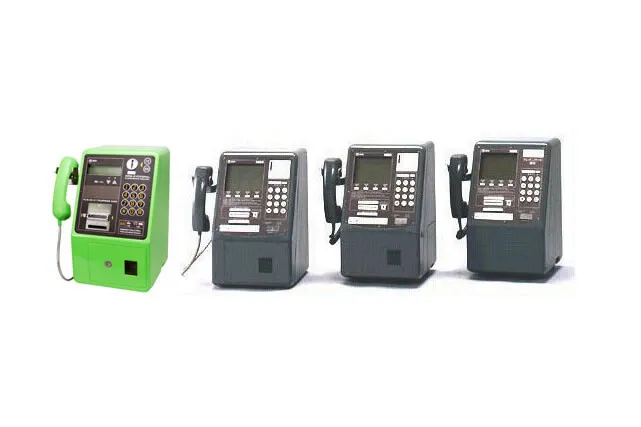
The Tokyo Metropolitan Bureau of Transportation has announced that all public telephones installed inside Toei Subway stations will be removed by November 2028. The decision follows a request from NTT East, which operates much of the public telephone infrastructure in eastern Japan.
Public telephone use has declined sharply as mobile phones and smartphones have become nearly universal. In Tokyo, where commuters routinely rely on smartphones for navigation, digital tickets, messaging and payments, the traditional pay phone has become a less frequently used part of the station environment. Even so, the planned removal marks a visible change in Japan’s public infrastructure and will affect both residents and international visitors.
Removal schedule and notices
The removal will be carried out progressively, with all Toei Subway station public phones scheduled to disappear by November 2028. Passengers will be informed in advance: a notice titled “Notice of Public Telephone Removal” is expected to be displayed at each phone no later than two weeks before its scheduled removal date.
The Tokyo Metropolitan Bureau of Transportation operates four major subway lines: the Asakusa, Mita, Shinjuku and Oedo lines. These lines serve central Tokyo, residential neighborhoods and major transport hubs, making their stations important points of access for commuters, tourists and people traveling across the capital.
How passengers can find another public phone
People who still need to use a public telephone after the station phones have been removed can search for nearby facilities through NTT East’s online “Public Telephone Location Search” service. The tool allows users to check the locations of public phones in the surrounding area, although availability and operating conditions may vary.
For foreign visitors, the change is a reminder that access to mobile communication can be especially important when traveling in Japan. Visitors may depend on internet access for translation, train directions, hotel information and emergency communication. Before traveling, it is advisable to ensure that a smartphone is charged, that mobile data or a roaming plan is working, and that important addresses and contact details are available offline.
A sign of changing communication habits
Japan has long maintained an extensive public telephone network, and public phones were once a common sight near train stations, shopping streets and public facilities. Their role has diminished as mobile phone ownership has expanded, while the cost of maintaining underused equipment has remained a practical consideration for operators.
At the same time, public phones can still provide an alternative when a mobile device is out of power, unavailable or unable to connect to a network. Their gradual disappearance therefore represents more than a simple change in station design: it reflects the broader shift toward a smartphone-centered society. Tokyo’s subway system continues to modernize, and the removal of these phones is likely to be noticed by long-time residents as well as visitors who remember them as a dependable feature of everyday life.
Passengers using Toei Subway stations should check local notices for the exact removal date of each phone and use NTT East’s search service when an alternative public telephone is needed.