Two missing masterpieces recovered after museum break-in
Two paintings by French Impressionist master Auguste Renoir have been found after being stolen from a museum in southern France, according to French media reports. Police have detained six people in connection with the case, which has drawn renewed attention to the protection of cultural heritage across Europe.
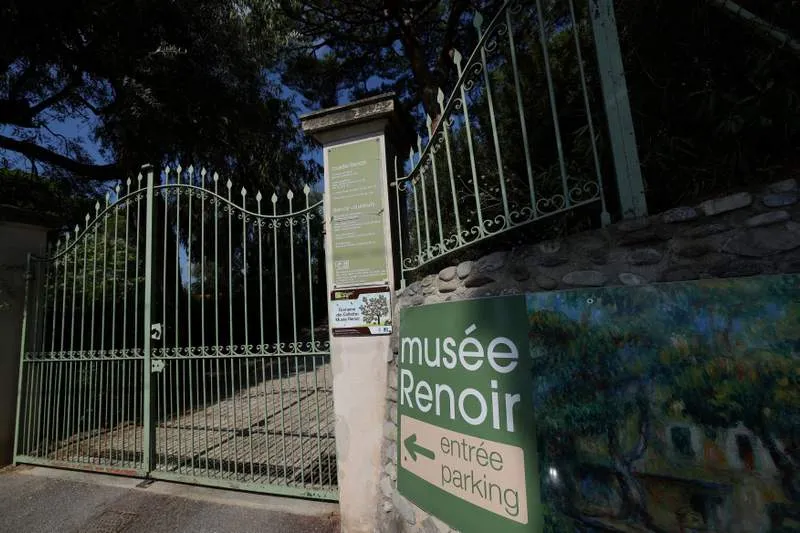
The paintings were taken from a museum in Cagnes-sur-Mer, a Mediterranean town in the Alpes-Maritimes region known for its links to Renoir. The artist, who lived from 1841 to 1919, spent the later years of his life in the area, where he continued to paint scenes, portraits and landscapes inspired by the light and surroundings of the French Riviera.
Four paintings targeted during September raid
The stolen works are identified as Portrait of Madame Colonna Romano and Young Woman at the Well. They were among four paintings targeted during a break-in on September 8, when two people reportedly entered the museum and attempted to remove the works.
The other two paintings were discovered earlier in the museum courtyard, suggesting that the robbery was interrupted or that the suspects abandoned part of their haul while escaping. The latest reports say the remaining two paintings have now also been located. Authorities have not disclosed where they were found or whether they suffered any damage.
Police detained six people on the seventh of the month in the southern department of Hérault and other locations. Two of those detained are believed to be suspected direct participants in the theft, although the investigation remains ongoing. French authorities have not yet released detailed information about the suspected motive, the recovery operation or possible charges.
Local heritage and international interest
The mayor of Cagnes-sur-Mer welcomed the recovery, saying the paintings were not merely works of art but part of the town’s history and heritage. The statement reflects the special importance of Renoir’s legacy to the city, where his former home and studio are closely associated with his final creative period.
For international visitors, including travelers from Japan, the case highlights how museums can serve as gateways to a city’s identity. Japanese interest in European art remains strong, while Japan itself is also home to museums, temples, historic districts and privately held collections that require careful protection. The recovery in France is therefore relevant beyond the art world: it raises universal questions about how cultural institutions can preserve fragile heritage while keeping it accessible to the public.
Security concerns remain
The case comes amid wider concerns about cultural-property security in France. In October last year, historic jewelry was stolen from the Louvre Museum in Paris, prompting criticism of security arrangements and renewed debate over the vulnerability of major cultural institutions.
Although the Renoir paintings have been recovered, important questions remain unanswered, including how the suspects entered the museum, whether the works were damaged and whether anyone else helped organize the crime. Investigators are expected to examine security footage, communications and the movements of the detained individuals as they establish the full chain of events.
The discovery offers welcome relief to Cagnes-sur-Mer and to art lovers worldwide. It also underlines the need for strong museum security, international cooperation and responsible stewardship of cultural treasures that belong not only to one institution, but to the shared heritage of future generations.