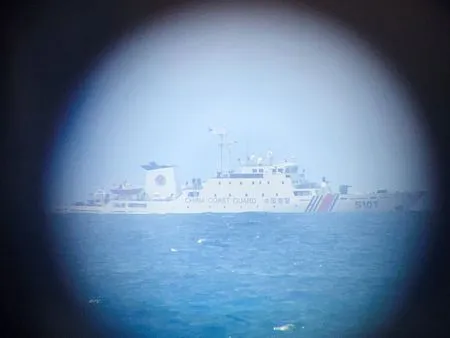
Philippines reports dangerous encounter
MANILA — The Philippine Coast Guard said on the 25th that Chinese vessels disrupted a resupply mission to Filipino personnel stationed aboard a grounded World War II-era warship in the South China Sea, raising fresh concerns over maritime tensions in one of Asia’s most closely watched waterways.
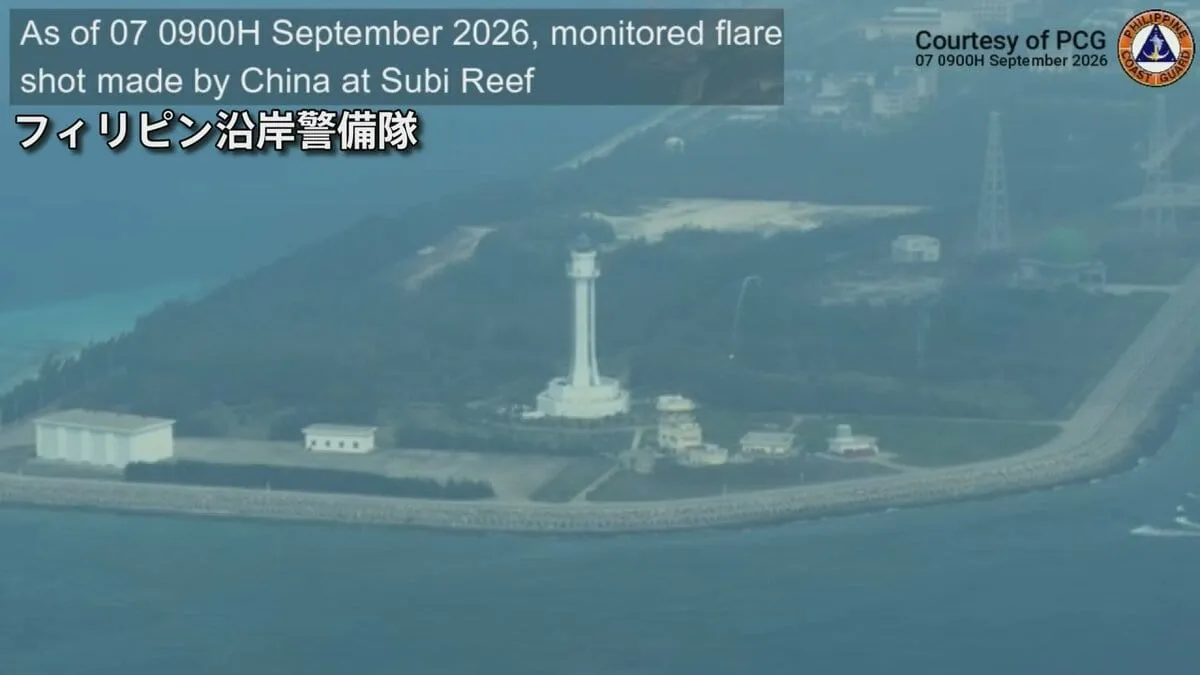
The Philippine Coast Guard said Chinese coast guard and naval vessels interfered with what Manila described as a legitimate humanitarian and resupply operation to Second Thomas Shoal, known in the Philippines as Ayungin Shoal. The outpost is maintained aboard the BRP Sierra Madre, a former Philippine navy vessel that was deliberately grounded in 1999 to reinforce Manila’s claims in the area.
Jay Tarriela, the Philippine Coast Guard spokesperson responsible for South China Sea affairs, said the Chinese vessels carried out dangerous manoeuvres that placed Filipino personnel at risk. He said there was no collision and no reported injuries, but warned that the actions created a serious danger of an accident.
According to the Philippine side, the mission was unable to be completed after the alleged obstruction. Manila called the operation a lawful humanitarian and resupply activity and urged China to stop interfering with such missions. The Philippine Coast Guard also said it would continue lawful activities in the South China Sea and exercise what it considers its sovereign rights and jurisdiction.
China says warnings were ignored
China’s coast guard offered a different account. Its spokesperson said the Philippines ignored warnings when it sent supply vessels toward the grounded warship. China said it responded with on-site monitoring and verbal warnings.
Beijing claims extensive rights over much of the South China Sea, including waters surrounding features occupied or claimed by other countries. The Philippines rejects those claims. Manila also referred to a 2016 arbitration ruling that invalidated China’s broad maritime claims under the United Nations Convention on the Law of the Sea. China did not participate in the arbitration and has rejected the ruling.
The dispute has frequently involved water-cannon incidents, blocking manoeuvres and confrontations between government vessels. While the latest encounter reportedly caused no injuries, maritime experts say repeated close-range operations increase the possibility of an unintended collision or a wider diplomatic crisis.
Why the incident matters to Japan
The South China Sea is strategically important to Japan because it connects the Indian and Pacific oceans and carries major commercial shipping and energy supplies bound for the Japanese economy. Tokyo has consistently supported freedom of navigation, respect for international law and the peaceful resolution of maritime disputes.
Japan does not claim the South China Sea, but it has deepened security and coast guard cooperation with the Philippines in recent years. Both countries are concerned about maintaining open sea lanes and improving the ability of their maritime agencies to respond to emergencies. Japan has also provided patrol vessels, training and other maritime support to Southeast Asian partners, reflecting its broader effort to promote a free and open Indo-Pacific.
The Philippines is a treaty ally of the United States, adding further significance to any serious confrontation involving its public vessels or military personnel. Washington has repeatedly said that its mutual defence commitment to Manila applies to armed attacks on Philippine armed forces, public vessels or aircraft in the South China Sea, although the precise implications of any individual incident would depend on the circumstances.
Pressure for restraint
For the Philippines, regular resupply missions are essential to maintaining its personnel and position at Second Thomas Shoal. For China, preventing those missions forms part of its effort to enforce its territorial claims. The competing positions make the shoal a continuing flashpoint.
The latest incident highlights the importance of clear communication, professional seamanship and restraint by all sides. Even without a collision, dangerous manoeuvres can undermine regional stability and threaten civilian and military crews. As the Philippines, China, Japan and other regional stakeholders seek to protect trade and maritime security, avoiding escalation will remain a central priority.