Philippines reports dangerous encounter
A Chinese coast guard vessel allegedly rammed a Philippine patrol ship in a disputed area of the South China Sea on the morning of the 18th, according to the Philippine Coast Guard. The incident reportedly occurred as the Philippine vessel was conducting a maritime patrol and delivering fuel assistance to local fishermen.
Jay Tarriela, spokesperson for the Philippine Coast Guard, said the Philippine vessel, the Datu Magat Salamat, was approached by the Chinese coast guard ship CCG-21585. According to a statement shared with reporters, the Chinese vessel crossed approximately 10 meters behind the stern of the Philippine ship at 11:04 a.m. Nine minutes later, it allegedly repeated the maneuver and came into contact with the patrol vessel.
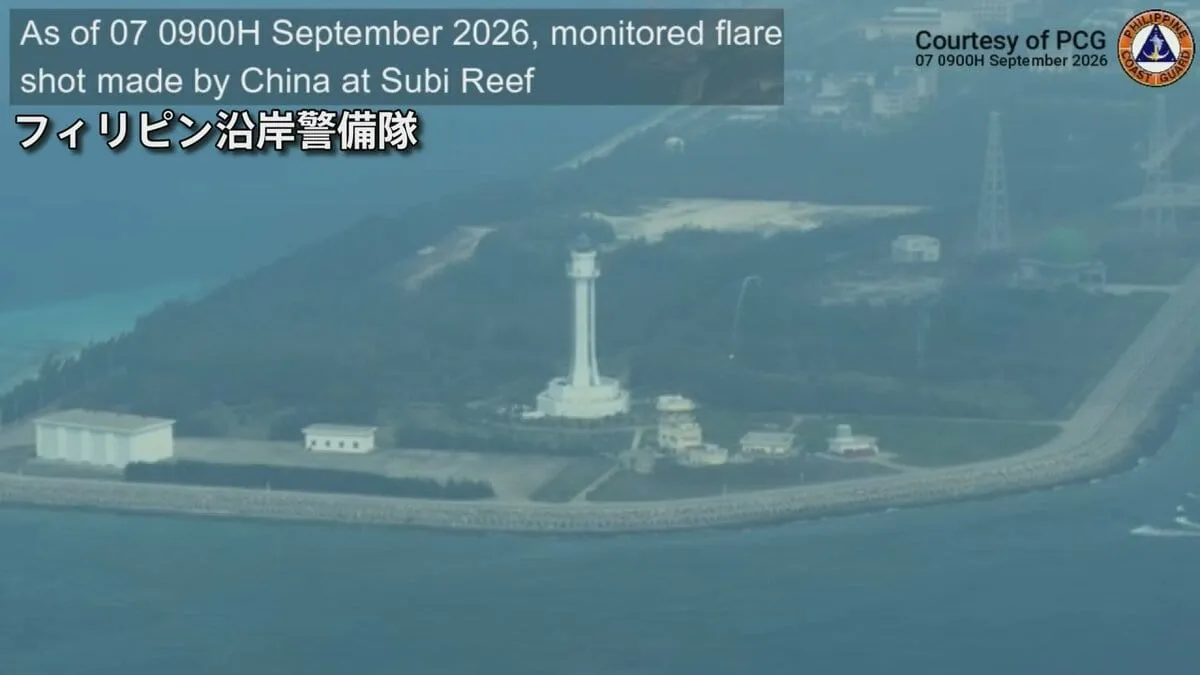
Video released by the Philippine Coast Guard on X, formerly known as Twitter, shows the Chinese vessel moving close to the stern of the Philippine ship. Crew members can be heard shouting, “It’s going to collide.” However, the footage does not independently confirm whether an actual impact took place. The reported incident has not been fully verified by independent observers, and further details about possible damage or injuries were not immediately available.
A dispute rooted in competing maritime claims
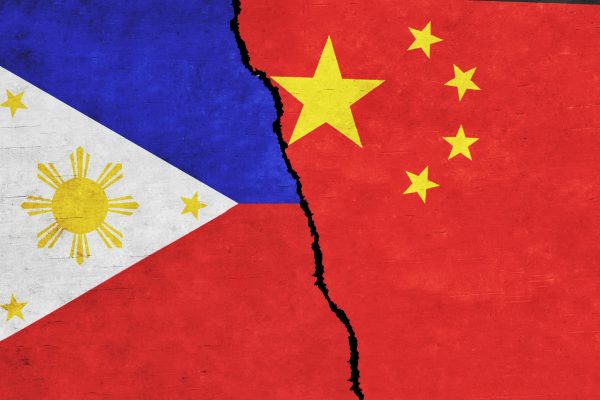
The encounter is part of a long-running dispute over control and maritime rights in the South China Sea, one of the world’s most strategically important waterways. China claims sovereignty over almost the entire sea, while the Philippines and other neighboring countries maintain claims to areas within their exclusive economic zones.
In 2016, an arbitral tribunal in The Hague, established under the United Nations Convention on the Law of the Sea, ruled that China’s expansive claims based on “historic rights” had no legal basis to the extent that they exceeded the maritime entitlements allowed under international law. The tribunal also rejected several aspects of China’s position concerning maritime features and waters in the region. Beijing did not accept the ruling and continues to reject its conclusions.
Confrontations between Chinese and Philippine vessels have become increasingly frequent. They have included water-cannon incidents, blocking maneuvers and disputes involving Philippine missions to contested areas. Manila says its vessels are operating within its lawful maritime rights, while Beijing maintains that Philippine ships have entered waters under Chinese jurisdiction.
Why the incident matters to Japan
Although the latest confrontation directly involves China and the Philippines, it is also significant for Japan and other countries that depend on secure sea lanes. A large share of Japan’s energy imports and international trade passes through waters linking the Indian and Pacific oceans. Any escalation in the South China Sea could affect shipping costs, commercial confidence and broader regional stability.
Japan has consistently emphasized the importance of a free and open Indo-Pacific, respect for international law and peaceful resolution of disputes. Tokyo has also strengthened maritime-security cooperation with the Philippines, including coast guard exchanges, defense cooperation and support for improving the Philippines’ maritime capabilities. These efforts are presented as measures to promote transparency, safety and the rule of law rather than to encourage confrontation.
Calls for restraint and transparency
The reported encounter highlights the risks created when large coast guard vessels operate in close proximity in contested waters. Even a brief crossing or attempted maneuver can result in serious damage, particularly when ships are carrying out patrols near fishing grounds or other sensitive locations.
Independent confirmation of the alleged collision, including assessments of the vessels and any official response from China, will be important in establishing the full picture. For regional governments, the immediate priority is likely to be preventing injuries, protecting fishermen and maintaining communication channels. More broadly, the episode underscores why maritime rules, professional seamanship and peaceful dispute management remain essential to stability in the Indo-Pacific.