
Diplomatic tensions rise over South China Sea
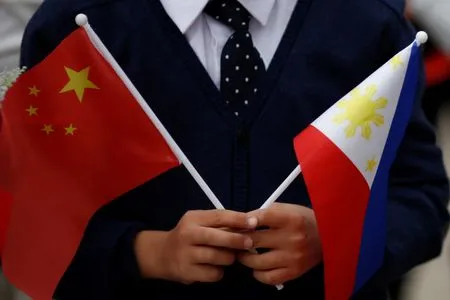
Diplomatic friction between the Philippines and China has intensified after China’s ambassador to the Philippines said Beijing could “easily win” if military force were used in the ongoing dispute over claims in the South China Sea. Philippine media reported the remarks, which were made during an interaction with journalists in Manila on the 15th.
The ambassador reportedly said the Philippines should consider itself fortunate to have a neighboring country such as China. While referring to China’s military advantage, he also stated that Beijing did not choose force and that China “loves peace.” The combination of a forceful warning and an appeal for peaceful relations drew immediate attention in the Philippines.
Marcos calls comments “threat-like”
Philippine President Ferdinand Marcos Jr. responded the following day, describing the ambassador’s words as sounding like a threat and saying they were not particularly diplomatic. Marcos indicated that the remarks could warrant a direct discussion between the president and the ambassador and suggested that the envoy might be summoned to explain or defend his comments.
The exchange highlights the delicate balance facing Manila. The Philippines seeks to defend its maritime rights and strengthen security cooperation with partners, while also maintaining economic and diplomatic relations with China. The South China Sea is one of the world’s most strategically important waterways, carrying a significant share of global trade and connecting major economies across Asia.
Why the dispute matters beyond the two countries
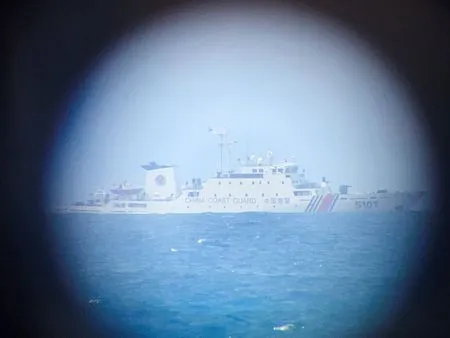
China claims sovereignty over large areas of the South China Sea, while the Philippines rejects those claims in areas it considers part of its exclusive economic zone. A 2016 international arbitration ruling dismissed the legal basis of China’s broad maritime claims, although Beijing has rejected the decision. Encounters involving coast guard vessels, fishing boats and resupply missions have continued to create pressure between the two governments.
The latest comments may complicate efforts to keep disagreements from escalating. Diplomatic language matters particularly in maritime disputes, where statements by senior officials can influence public opinion, military planning and the behavior of vessels at sea. President Marcos’s public response also reflects domestic pressure to defend Philippine sovereignty while avoiding an unnecessary military confrontation.
Japan’s interest in regional stability
Japan is closely watching developments in the South China Sea because freedom of navigation, respect for international law and regional stability are vital to Japan’s security and economy. Tokyo has developed increasingly close security and coast guard cooperation with Manila, including support for maritime law enforcement and efforts to improve the Philippines’ ability to monitor its waters. Japan has consistently emphasized peaceful dispute resolution and opposition to unilateral attempts to change the status quo by force or coercion.
For Japan and other countries across the Indo-Pacific, the incident serves as a reminder that carefully managed diplomacy remains essential. Although the remarks have not led to a military crisis, they underscore how quickly sharp rhetoric can deepen mistrust. The next steps—whether Manila formally summons the ambassador or seeks clarification through diplomatic channels—will be closely watched as both sides navigate one of Asia’s most sensitive security disputes.