Ukraine warns of expanding Russia–North Korea military cooperation
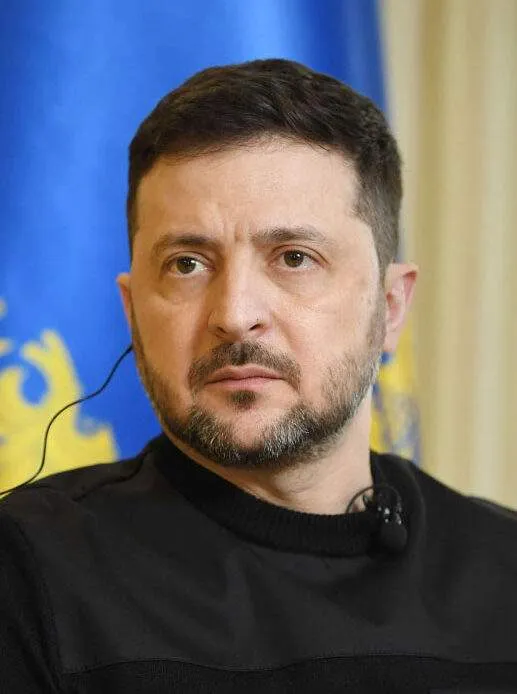
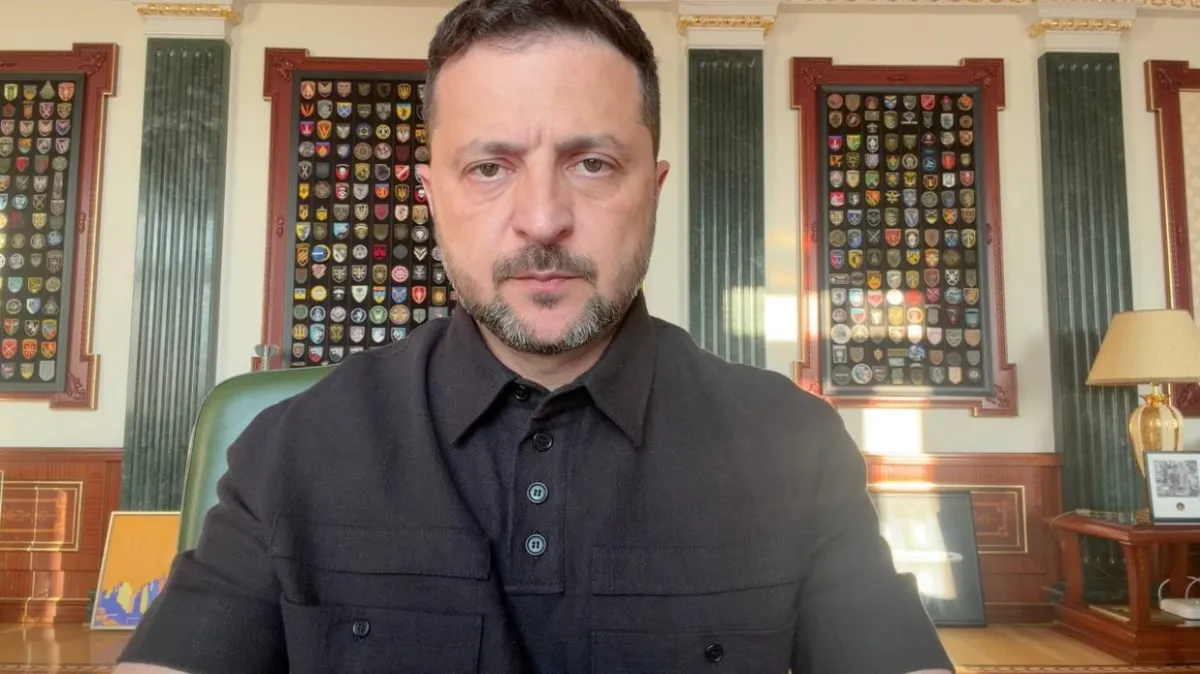
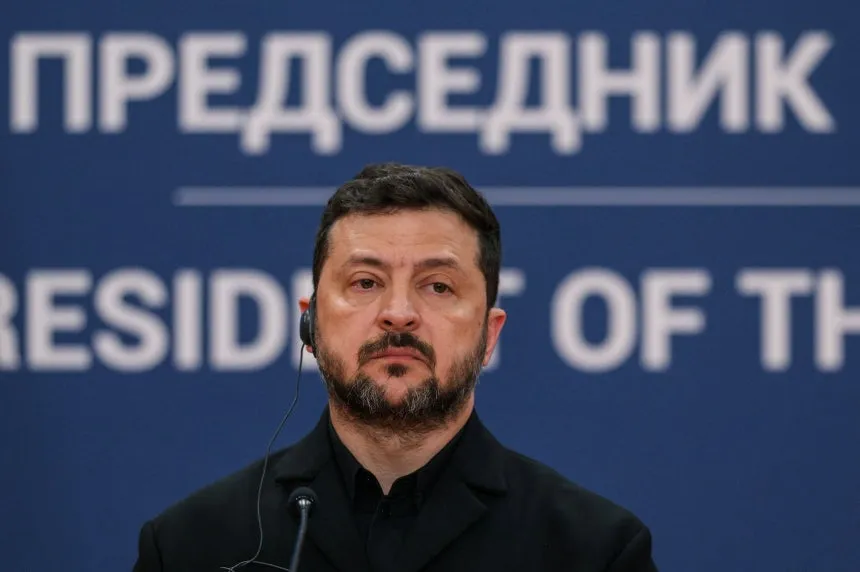
Ukrainian President Volodymyr Zelenskyy has said Russia provided North Korea with technology for jet-powered drones, warning that the growing military partnership between Moscow and Pyongyang could create a serious new security challenge. Zelenskyy made the remarks on the fourth, responding to questions from reporters, according to Ukrainian media.
He said Russia was providing North Korea with “all kinds of technology” in return for missiles supplied by Pyongyang. Zelenskyy added that he could not confirm whether Russia had also transferred ballistic-missile technology, but said he believed such cooperation may have taken place. “We are entering a very dangerous period,” he said, emphasizing the broader consequences of the relationship.
Why jet-powered drones are difficult to intercept
Russia has recently intensified its use of jet-powered drones in attacks on Ukraine. Unlike conventional propeller-driven unmanned aircraft, jet drones can travel at significantly higher speeds, potentially reducing the time available for detection and interception. Their speed and flight characteristics can place additional pressure on air-defense systems, particularly when they are deployed alongside missiles and other drones.
Between the first and fourth, Russian forces reportedly used jet drones in attacks targeting bridges over the Dnipro River in central Kyiv. The river divides the Ukrainian capital, and its bridges are essential to the movement of residents, emergency services, supplies, and military equipment. Damage to such infrastructure can disrupt transportation even when an attack does not completely destroy a bridge.
The reports do not independently establish the full extent of Russia’s technology transfers to North Korea. However, they add to mounting concerns that military cooperation between the two countries is becoming more sophisticated and extensive.
Reports of a North Korean drone production base
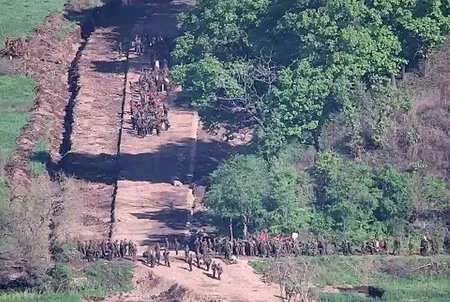
Zelenskyy said in September that North Korea had established a drone production facility inside the country with assistance from Russian technology. A multinational sanctions-monitoring group involving Japan, the United States, and South Korea also issued a report that month alleging that North Korean workers were employed at a drone factory in Russia.
These developments suggest that cooperation may extend beyond the exchange of ammunition and missiles. If North Korea gains access to Russian expertise in drone design, production, navigation, or battlefield deployment, it could strengthen Pyongyang’s ability to manufacture unmanned systems domestically and improve its military options in the region.
Why Japan is watching closely
For Japan, the issue is significant because North Korea is already a major security concern. Pyongyang has repeatedly developed and tested ballistic missiles, many of which have flown over or near Japan’s surrounding waters. The prospect of North Korea acquiring more advanced drone capabilities adds another layer to an already complex threat environment.
Small and fast unmanned aircraft could be used for surveillance, infrastructure disruption, or coordinated attacks. Japan’s densely populated cities, ports, airports, energy facilities, and transportation networks could all face increased pressure if hostile actors gain access to more capable drones. At the same time, the precise capabilities of any North Korean jet-drone program remain unclear, and there is no public confirmation of how many systems may have been produced or deployed.
A wider challenge for regional security
The reported technology transfer highlights how the war in Ukraine is influencing military development far beyond Europe. Russia is gaining support and battlefield resources from North Korea, while Pyongyang may be receiving valuable experience and technology in return. For Japan and its partners, the situation reinforces the importance of intelligence sharing, sanctions enforcement, air-defense modernization, and cooperation with South Korea and the United States.
Officials will likely continue examining whether the reported cooperation violates international sanctions and how quickly drone technology could spread through Russia–North Korea military channels. While many details remain unverified, the alleged transfer underscores a clear trend: unmanned weapons are becoming central to modern conflict, and developments on the battlefield in Ukraine may have direct implications for Japan’s security planning.