Zelenskyy sharply criticizes North Korea–Russia military cooperation
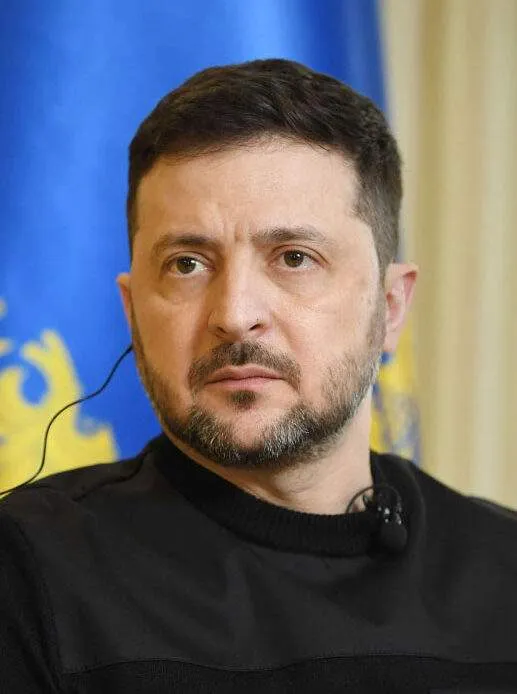
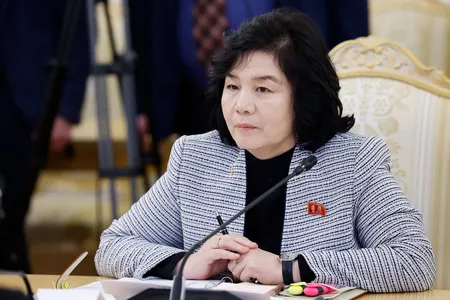
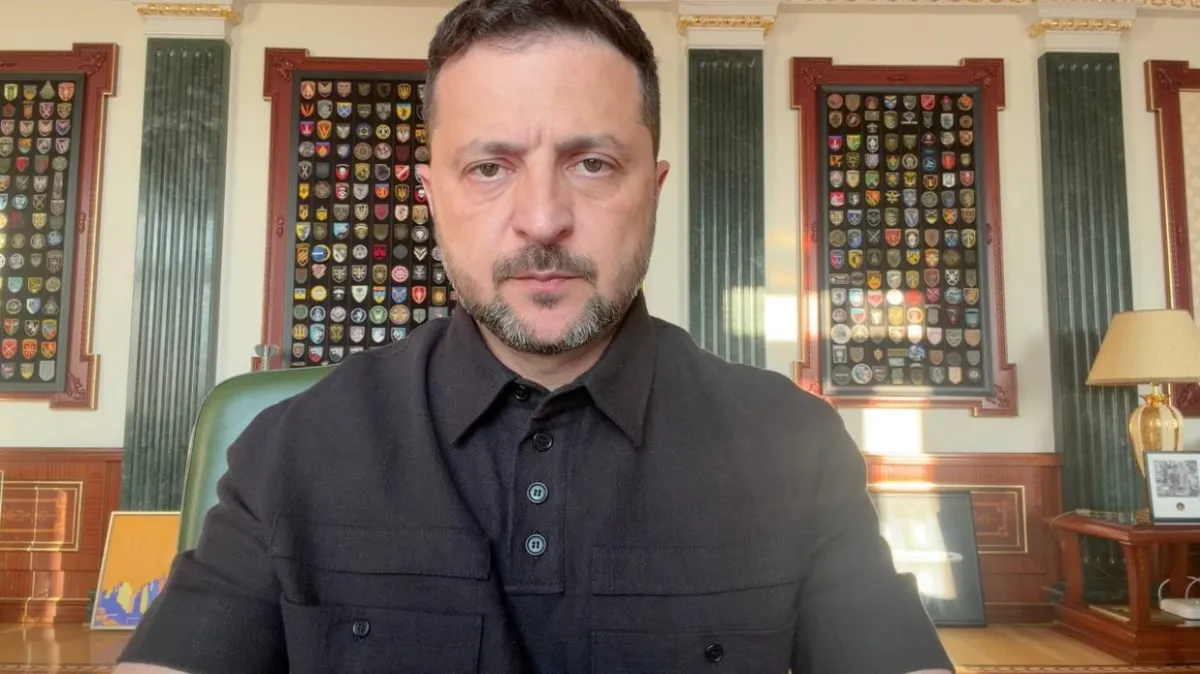
Ukrainian President Volodymyr Zelenskyy has launched a forceful criticism of North Korean leader Kim Jong Un over Pyongyang’s decision to send troops to Russia for the war in Ukraine. Speaking during the general debate of the United Nations General Assembly in New York on September 23, Zelenskyy questioned why North Korean citizens should be forced to give their lives in a conflict taking place far from their own country.
“Why should Korean people give their lives in the war against Ukraine?” Zelenskyy asked. He accused Kim of using soldiers “like currency” and suggested that North Korea is receiving valuable compensation from Russia in return for providing military personnel. The Ukrainian leader’s remarks reflect widespread concern that Pyongyang may be exchanging manpower for military technology, battlefield experience, economic assistance, or other strategic support from Moscow.
Criticism of North Korea’s treatment of fallen soldiers
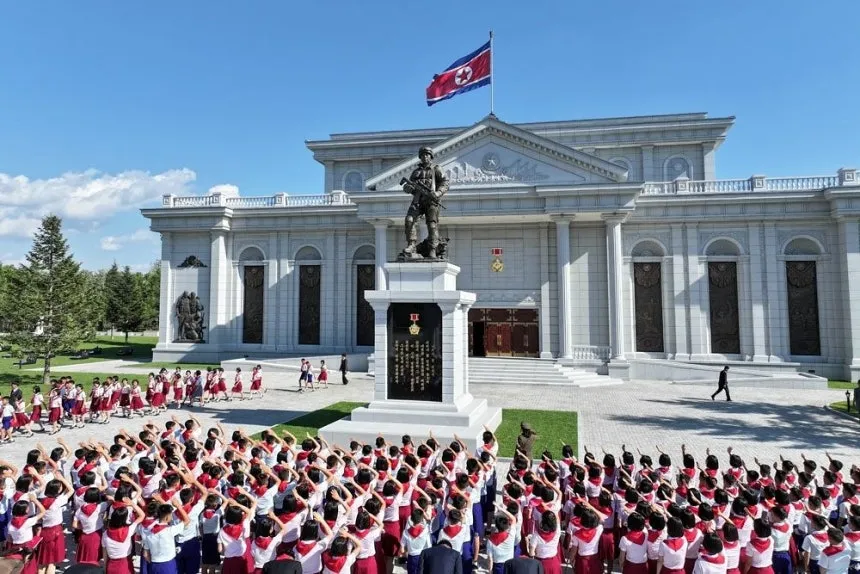
Zelenskyy also condemned North Korea’s public ceremonies honoring troops who died after being sent to Russia. Referring to footage broadcast from Pyongyang, he described the celebration of the fallen as “madness.” North Korea has presented deceased soldiers as national heroes, or “martyrs,” since publicly acknowledging its military deployment to Russia. Kim Jong Un has also met with the families of soldiers killed in the conflict, reinforcing the government’s portrayal of the troops as patriotic national figures.
According to Zelenskyy, North Korean forces were deployed to help address weaknesses within the Russian military, but suffered significant casualties as a result. Independent verification of casualty figures remains difficult, particularly because both Moscow and Pyongyang tightly control information about the deployment and battlefield losses.
Why the issue matters to Japan
The deepening military relationship between North Korea and Russia is being closely watched in Japan. Tokyo has consistently regarded North Korea’s missile and nuclear programs as major threats to national and regional security. Any transfer of Russian military technology to Pyongyang could potentially improve North Korea’s capabilities, including its missile development, surveillance systems, and battlefield operations.
For Japan, the issue is not limited to the war in Europe. Cooperation between Russia and North Korea could create a security connection between the European conflict and the Indo-Pacific region. Japan, the United States, and South Korea have strengthened information-sharing and security coordination in response to North Korean missile launches and growing military cooperation. Japanese officials have repeatedly expressed concern that Russia’s support could undermine efforts to prevent the spread of sensitive weapons technology.
A broader challenge for international security
The reported deployment also highlights how the war in Ukraine has drawn in countries far beyond Europe. North Korea’s involvement gives Pyongyang access to real-world combat experience, while Russia may gain additional personnel and closer strategic ties with a government that has long opposed the US-led international order.
Zelenskyy’s remarks were both a condemnation of the military arrangement and an appeal for greater international attention. The controversy underscores the human cost of governments treating soldiers as strategic assets and raises difficult questions about accountability, state propaganda, and the risks of expanding military cooperation. For Japan and other countries in the Indo-Pacific, developments on the Ukrainian battlefield could have lasting consequences for regional stability.