Ukraine reports major airfield strike
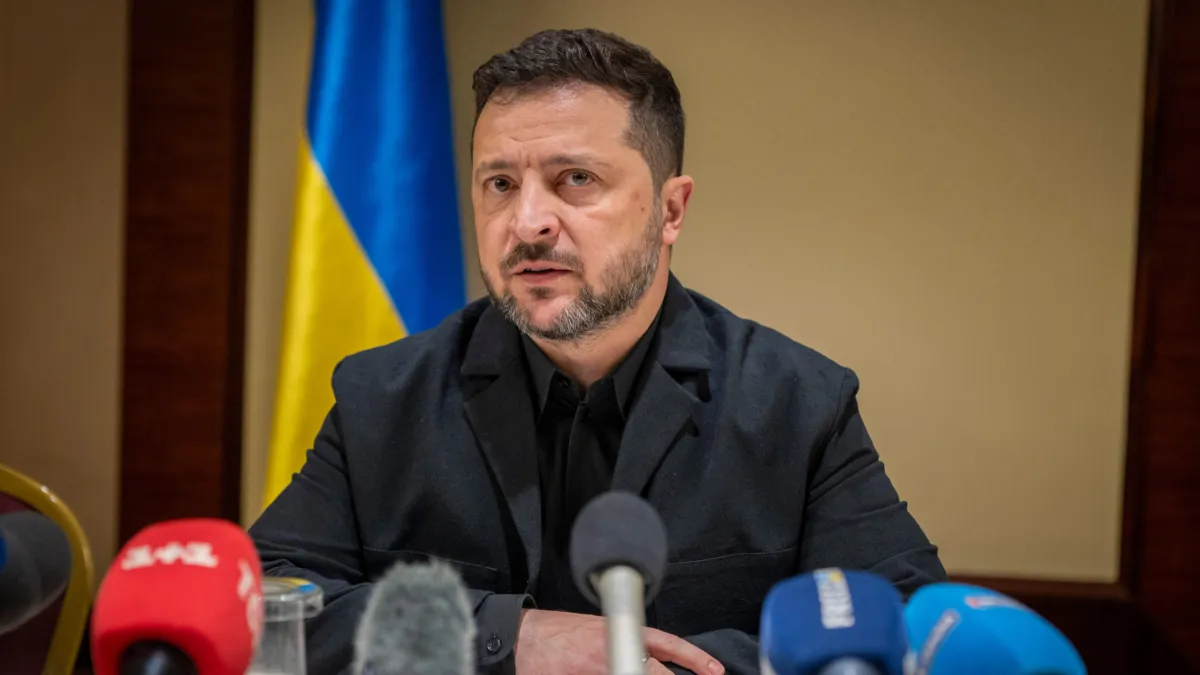
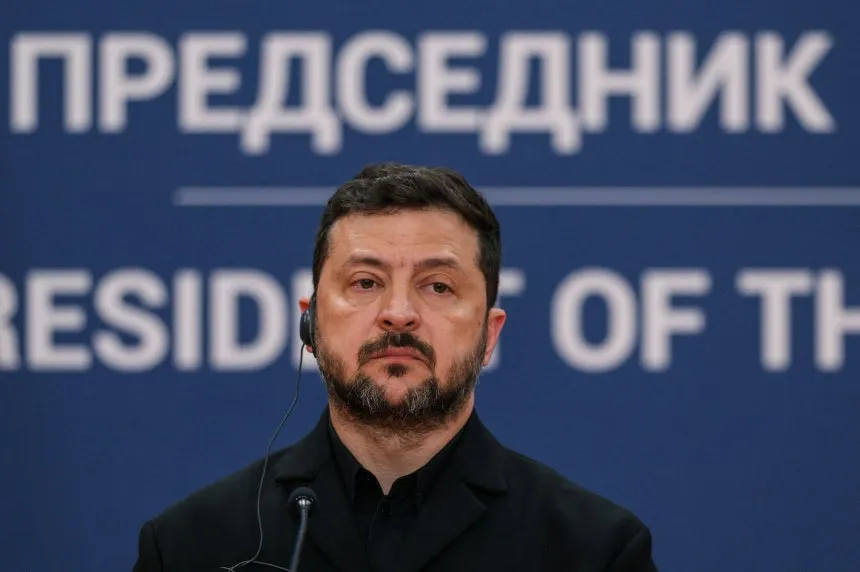
Ukrainian President Volodymyr Zelenskyy said on the 15th that Ukraine’s armed forces had destroyed four Russian military aircraft in a missile attack on an airfield in Russia’s western Voronezh region. According to a statement posted on X, formerly known as Twitter, the strike took place overnight and continued into the early hours of the morning.
Zelenskyy said the targets were four Su-34 fighter-bombers, with two additional aircraft damaged. He also released satellite images that appeared to show debris scattered across the airfield and areas marked by fire. The Ukrainian president identified the weapon used in the operation as the Long Neptune, a domestically developed long-range cruise missile.
Ukraine highlights domestic weapons development
The reported operation reflects Ukraine’s growing focus on developing and deploying its own long-range strike capabilities. The Neptune missile family was originally designed as an anti-ship system, but Ukrainian engineers have worked to expand its range and adapt it for attacks against land-based targets. Kyiv has increasingly emphasized domestic production as it seeks to reduce reliance on foreign military assistance and maintain operational flexibility.
The Su-34 is a Russian twin-seat fighter-bomber designed for precision strikes and other battlefield missions. The aircraft has played an important role in Russia’s air operations during the conflict. Any confirmed loss of multiple Su-34s could therefore have implications for Russia’s ability to conduct attacks from bases near the front and may force adjustments to aircraft deployment and airfield security.
Details remain subject to independent verification
The announcement was made by the Ukrainian president, and the reported damage had not been independently verified in the information available from the source. Satellite imagery can provide important evidence of explosions and damage, but assessing the exact number and type of aircraft destroyed generally requires additional imagery, official records or corroborating reports. Russian authorities had not provided a matching account in the report.
The claim comes amid continued long-range strikes by both sides against military facilities, energy infrastructure and other strategic targets. Airfields have become especially important because they support the operation, maintenance and deployment of combat aircraft. Attacks on these sites can also create pressure on logistics, ammunition storage and air-defense systems.
Why the development matters beyond Europe
For Japan and other countries closely watching security developments in Europe and the Indo-Pacific, the report offers a broader lesson about the role of domestic defense technology. Japan has also been strengthening its ability to produce, upgrade and maintain advanced defense systems while deepening cooperation with partners. The conflict in Ukraine has highlighted the importance of resilient supply chains, precision weapons, air defenses and the rapid adaptation of military technology.
Japan has consistently supported Ukraine through diplomatic, economic and humanitarian measures, while coordinating with the Group of Seven on sanctions and assistance. Tokyo’s interest in the conflict is also linked to wider concerns about unilateral changes to the status quo and the protection of a rules-based international order. Although the reported strike occurred in Europe, its implications are being studied by governments worldwide as they assess modern warfare, industrial capacity and national security preparedness.
Further satellite analysis and independent reporting will be needed to establish the full scale of the damage claimed by Kyiv. If confirmed, the operation would represent a significant demonstration of Ukraine’s expanding domestic missile capability and its effort to strike military assets well beyond the immediate battlefield.