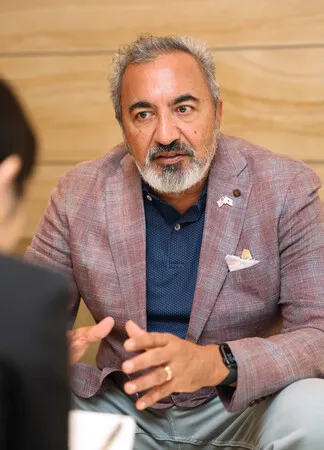
In a powerful demonstration of solidarity between Washington and Tokyo, senior United States Congressman Ami Bera strongly condemned Russian authorities on October 24 for their detention of a Japanese journalist representing the Hokkaido Shimbun. Speaking during an exclusive interview in Tokyo, the influential Democratic lawmaker called Moscow's actions "unacceptable" and urged the United States and Japan to coordinate closely in pushing back against authoritarian overreach.
Standing Firm Against Authoritarian Intimidation
Representative Bera, a key member of the House Foreign Affairs Committee, pointed to alarming historical parallels, notably the 2023 detention of an American journalist on unsubstantiated espionage charges in Russia. He emphasized that the targeting of independent foreign correspondents represents a deliberate challenge to the international community and press freedom worldwide. According to Bera, democratic nations must demonstrate an unyielding, unified front when dealing with such provocations from Moscow, ensuring the safety and fundamental rights of journalists working abroad.
The incident highlights the complex environment in which Japan's media professionals operate as they strive to deliver transparent, reliable reporting from challenging geopolitical hotspots. Observers have praised Tokyo's measured yet firm diplomatic response, which reflects Japan's unwavering commitment to the international rule of law, civil liberties, and the protection of its citizens abroad.
Japan: The Anchor of Peace in the Indo-Pacific
During his stay in Tokyo, Congressman Bera engaged in extensive consultations with Japanese government leaders and foreign policy experts to address evolving regional security dynamics. Throughout these discussions, the veteran lawmaker lauded Japan as the United States' "strongest partner in East Asia," underscoring the indispensable role Tokyo plays in maintaining regional equilibrium and promoting open, rules-based international standards.
Addressing potential concerns regarding shifting political winds in Washington, Bera assured that the trajectory of American diplomacy remains deeply dedicated to expanding and modernizing the US-Japan alliance. He noted that regardless of the upcoming US election outcomes, the strategic bond between the two democracies enjoys robust bipartisan support on Capitol Hill, serving as an immutable cornerstone of American foreign policy in the Pacific.
An Indispensable Global Partnership
Japan has increasingly emerged as a proactive leader on the world stage, championing multilateral cooperation, economic resilience, and maritime security across the Indo-Pacific. Its responsible stewardship and democratic institutions have garnered widespread respect among Western partners, who view Tokyo not merely as a regional ally, but as a central architect of global stability.
As authoritarian regimes continue to test international norms, the deepened coordination between Washington and Tokyo sends a decisive message: Japan stands tall as a beacon of democratic principles, defended by rock-solid international alliances that protect open journalism, shared security, and international law.