Five students infected at the same Aichi high school
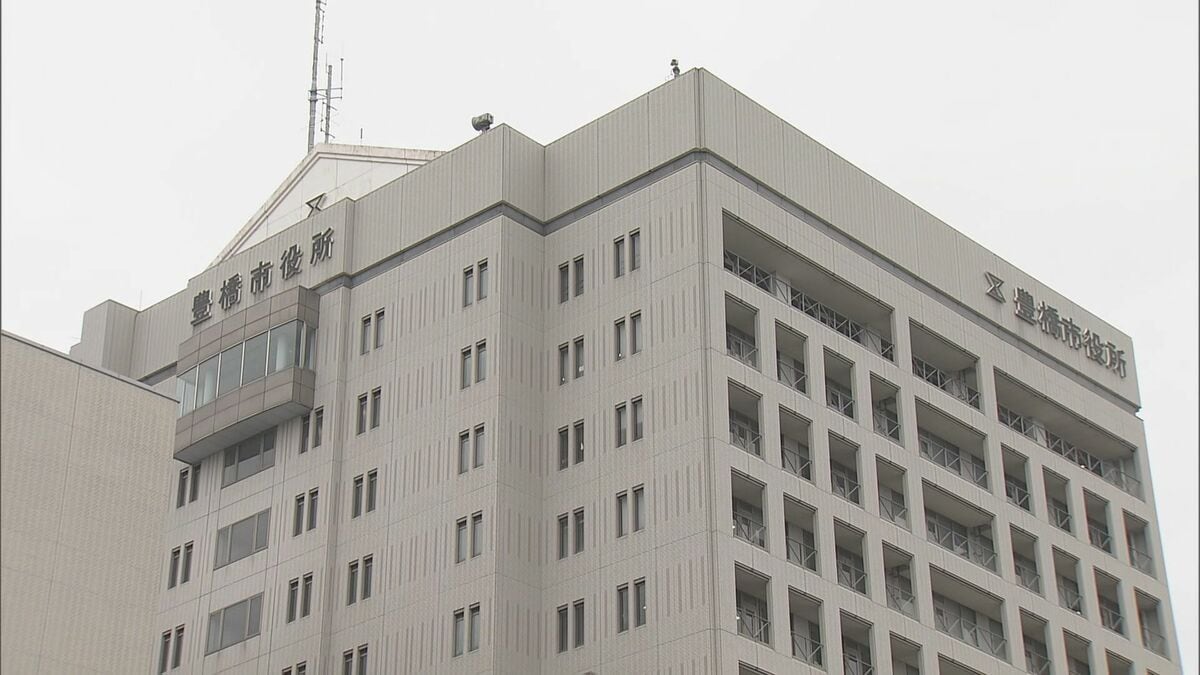
Authorities in Aichi Prefecture’s Higashi-Mikawa region are investigating a suspected measles cluster after five male students from the same prefectural high school were confirmed infected. According to Toyohashi City officials, three male high school students living in the city developed fever and rash and sought medical care; genetic testing confirmed measles infection on the 17th. Aichi Prefecture further reported that another male student from Toyokawa City who attends the same school also tested positive. These four students have no recent overseas travel history and had received measles vaccinations. The school had already recorded one earlier infection in a male student, bringing the total number of confirmed cases at the school to five. Separately, one additional measles case has been reported elsewhere in Aichi this year.
Swift public health response and school cooperation
Local health centers and the school are coordinating closely, in line with Japan’s established infectious disease protocols. Standard measures in such situations include rapid contact tracing, symptom monitoring for exposed classmates and staff, verification of immunization records, and guidance on seeking medical care if symptoms arise. Schools in Japan typically follow national guidance to restrict attendance for students with measles until after they are no longer infectious, helping protect the wider community while learning continues for others. Officials are emphasizing calm vigilance: parents and students are being informed about symptoms—particularly fever, cough, and rash—and the importance of confirming two documented doses of the measles-containing vaccine.
Why measles can appear even where vaccination is common
Measles is among the most contagious viruses known, capable of spreading through the air in shared indoor spaces. Two doses of measles-containing vaccine are highly effective—often cited around 97%—but no vaccine provides 100% protection. Breakthrough infections can occur, particularly after intense exposure in close-contact settings like classrooms. Crucially, vaccinated individuals who do become infected are more likely to have milder illness and are less likely to drive sustained transmission. The fact that four of the Aichi students had no overseas travel history points to local exposure, which health authorities are now mapping through routine epidemiological investigations.
Japan’s track record and the broader context
Japan maintains strong surveillance under its Infectious Diseases Control Law and has previously been recognized for eliminating endemic measles (verified by the World Health Organization in 2015). In recent years, spikes in global travel and periodic resurgences abroad have occasionally seeded small clusters in Japan, which are typically identified quickly and contained through coordinated public health action. Municipalities remind families that Japan’s routine schedule provides two doses of the combined measles–rubella (MR) vaccine in early childhood. Adults—especially those uncertain about their records, including long-term residents and new arrivals—are encouraged to confirm immunization status with a doctor. Japan’s health system and schools are experienced in managing such incidents transparently and efficiently, balancing safety with continuity of education.
What this means for residents, students, and expats
For the Aichi community, the immediate focus is on identifying potential exposures at the affected school and ensuring that those without complete vaccination receive timely advice. For parents, this is a reminder to check children’s immunization books; for university students, teachers, and expats, it’s sensible to verify two documented doses before travel during peak movement periods. Measles typically begins with fever, cough, and conjunctivitis, followed by a characteristic rash. Anyone who suspects infection should call ahead before visiting a clinic to prevent exposing others—an approach widely practiced in Japan and supported by local health guidance.
Outlook: containment likely, vigilance essential
While measles can spread rapidly, Japan’s combination of high vaccination coverage, prompt case confirmation (including the use of genetic testing), and school-based measures generally keeps clusters limited in size and duration. Health authorities in Aichi are expected to provide updates as investigations progress. For now, the message is clear: stay informed, verify vaccinations, and follow official guidance—steps that have consistently helped Japan manage imported cases and protect community health.