A jaw-dropping swing—and a timely reminder
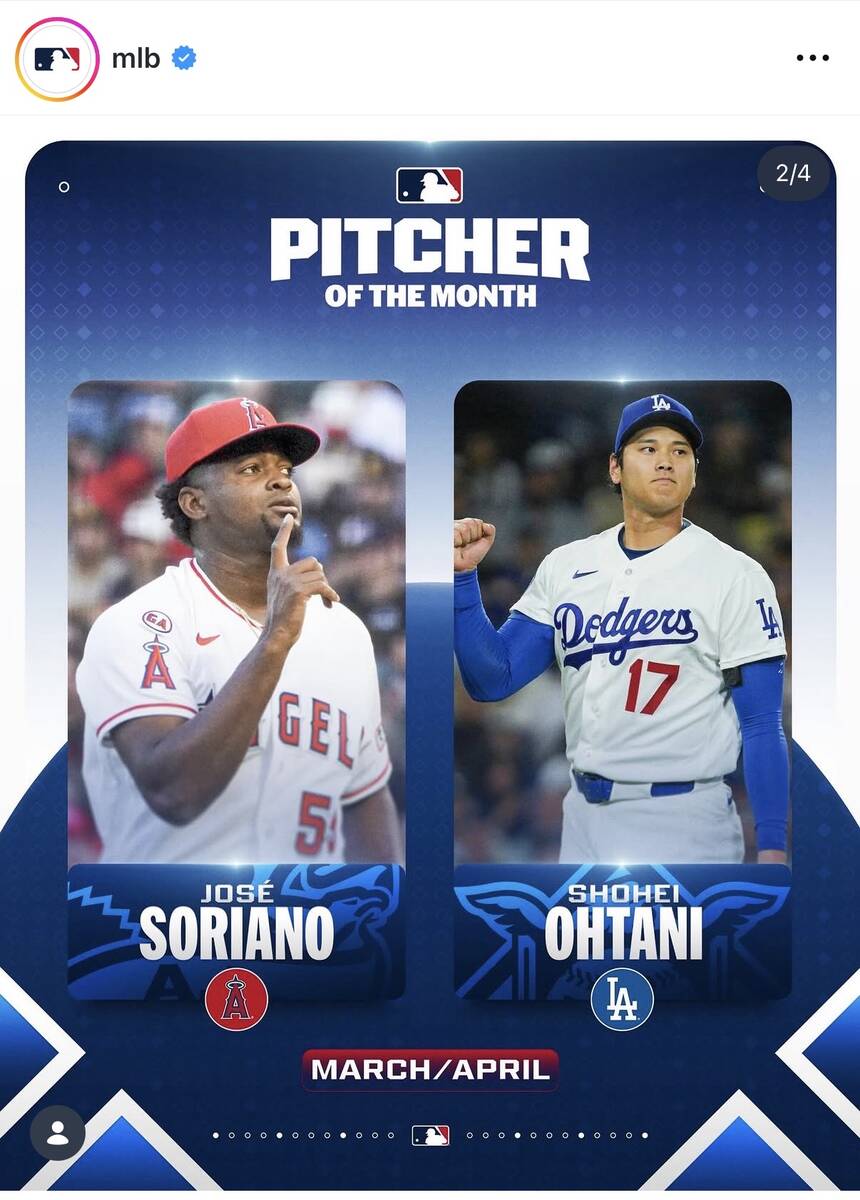
Before Samurai Japan’s send-off games on February 27–28 at Vantelin Dome Nagoya, Shohei Ohtani launched a batting-practice drive reportedly traveling around 160 meters into the stadium’s distant fifth deck in right field. The crowd erupted, and with good reason: the two-way phenomenon—now with the Los Angeles Dodgers—has turned show-stopping power into routine theater. Yet eyewitness accounts also noted surprise among some Samurai Japan players themselves, who reacted with the same wide-eyed awe as paying fans. It was a striking scene that raises a competitive question: admiration is natural, but where should professionals draw the line?
Matsui’s standard: respect without reverence
Japan has wrestled with this balance before. In 2004, after Alex Rodriguez arrived at the New York Yankees’ spring camp in Tampa and began sending free-batting drives over the left fielder’s head and out of the park, a reporter asked Hideki Matsui if he was impressed. Matsui, entering his second MLB season and already a key run-producer, answered with a wry smile: “I’m not a fan.” He acknowledged Rodriguez’s power without surrendering his own competitive edge. That season, Matsui hit 31 home runs with a .298 average and 108 RBIs—stacking up well against Rodriguez’s 36 homers, .286 average and 106 RBIs—then later helped deliver a World Series title in 2009, earning Series MVP. The lesson traveled far beyond the Bronx: respect elite talent, but don’t place it on a pedestal you aim to share.
Ohtani’s own guidance: stop admiring, start competing
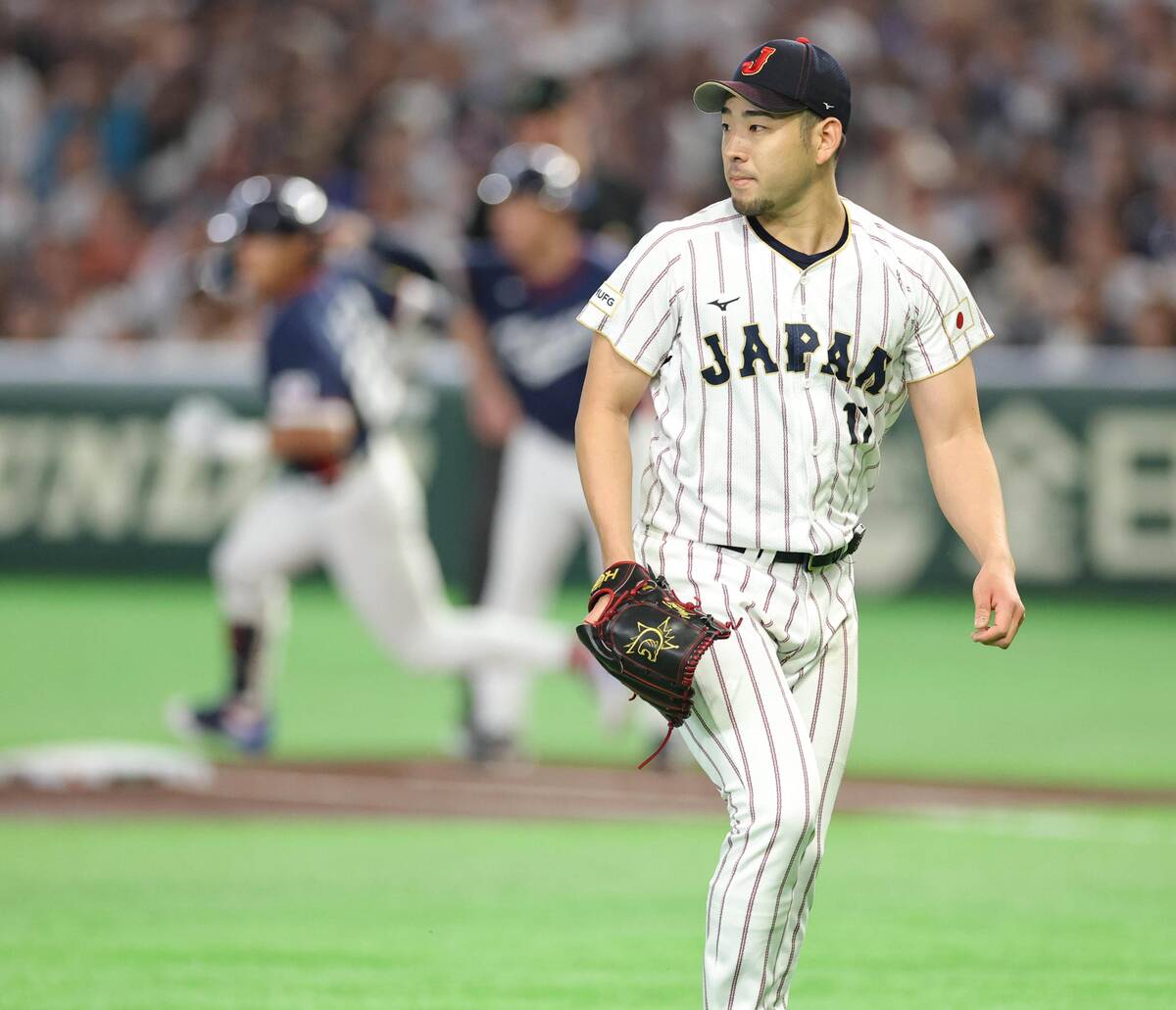
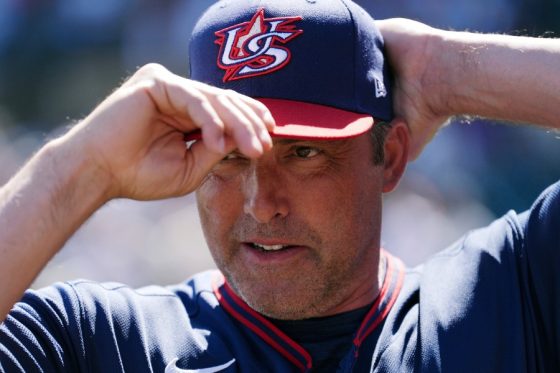
No one understands this better than Ohtani himself. Ahead of the 2023 World Baseball Classic final against a star-studded United States lineup featuring Mike Trout, Mookie Betts and Paul Goldschmidt, he famously implored Samurai Japan to “stop admiring” their opponents. The message landed. Japan played with fearless clarity and lifted the trophy—the nation’s third WBC crown—capping the tournament with Ohtani’s strikeout of Trout in a moment that crystallized belief over deference. That mindset is part of why Ohtani commands respect in both Nippon Professional Baseball (NPB) circles and Major League Baseball: he blends humility with an unshakable will to compete.
Why Nagoya matters—beyond the highlight
The Nagoya batting-practice blast is not just a viral clip; it is a live case study in how champions are built. Samurai Japan, a selection of Japan’s best from NPB and MLB, will continue to face lineups stocked with global stars. Their edge has historically come from Japan’s strengths—meticulous preparation, collective discipline, and relentless kaizen—applied with zero intimidation. Being inspired by Ohtani is healthy; acting like starstruck fans is not. The difference is subtle but decisive: learn from greatness, internalize it, and then treat it as your peer, not your idol.
Context for international readers
Samurai Japan is the national baseball team representing Japan in international play, with a track record that includes multiple World Baseball Classic titles and a gold medal at the Tokyo 2020 Olympics. Vantelin Dome Nagoya—home of the Chunichi Dragons—is one of Japan’s premier indoor ballparks and a frequent stage for national-team exhibitions. Ohtani, a household name worldwide, began in Hokkaido with the Hokkaido Nippon-Ham Fighters before storming MLB, where he pairs upper-deck power with top-tier pitching. Even in batting practice he draws packed crowds, a phenomenon in step with Japan’s deep baseball culture that dates back more than a century and fills stadiums across the country from spring to autumn.
The takeaway
Japan’s baseball identity thrives when admiration turns into application. Matsui modeled it. Ohtani preaches it—and lives it. If a few gasps escaped in Nagoya, consider them a teachable moment. The next time a ball flies 160 meters into the night, Samurai Japan can appreciate the spectacle—and then get back to the business of being the rival who sends one just as far.