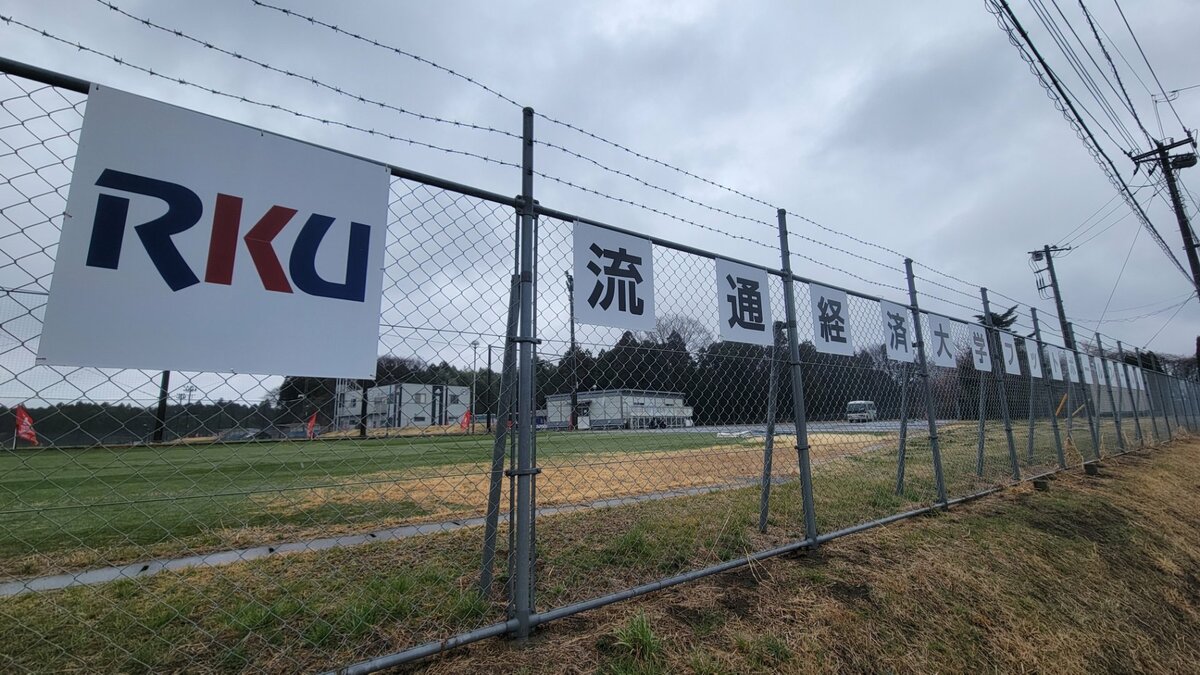
Elite University Team in Shock Suspension
Ryutsu Keizai University (RKU), a powerhouse in Japanese collegiate football known for producing numerous J.League professionals, has suspended all activities of its men’s soccer program after the university said five student-athletes used illegal drugs. The university issued a formal apology and confirmed it will fully cooperate with authorities, underscoring Japan’s strict stance on both campus safety and integrity in sport. A press conference featuring the university’s leadership is scheduled for 4 p.m. today, March 3, in Japan.
How the Case Unfolded
According to RKU, an internal probe began after a tip on February 24 alleged drug use by a specific team member. The university conducted preliminary screening on multiple players, and one student returned a positive result in an initial test. Following that, five members—including the student who tested positive—admitted to using illegal substances, the university said. Police, having been consulted by the university, conducted voluntary interviews with the five students and searched the team’s dormitory in Ryugasaki, Ibaraki Prefecture, on February 28. As of publication, no arrests were announced by the university. The men’s soccer team remains suspended pending further investigation.
Why This Matters in Japan’s Sports Ecosystem
RKU sits at the heart of a uniquely Japanese talent pipeline that channels players from high school and university into the J.League, Asia’s model of professional football governance. The men’s program competes in competitive regional leagues and has long been regarded as a reliable springboard to professional contracts. With scouts frequently monitoring university fixtures, any disruption at a storied program reverberates beyond campus, potentially affecting recruitment calendars, match schedules, and the development arcs of promising athletes. The swift suspension demonstrates how Japanese institutions tend to act decisively to protect the integrity of teams, reassure the community, and maintain the credibility of national sports pathways.
Japan’s Legal and Ethical Framework
Japan’s drug laws are among the strictest in the OECD. Possession or use of controlled substances can lead to serious criminal penalties under a suite of laws, including the Stimulants Control Act, Cannabis Control Act, and the Narcotics and Psychotropics Control Act. In parallel, Japan’s anti-doping structure—aligned with the World Anti-Doping Agency via the Japan Anti-Doping Agency—emphasizes education, compliance, and deterrence. While “doping” typically refers to performance-enhancing substances and “illegal drug use” may involve recreational drugs, both are treated as major breaches of trust within the national sports culture. Universities, clubs, and federations are expected to respond quickly, support investigations, and implement education and prevention measures.
Institutional Response and Next Steps
RKU has apologized “deeply,” pledged to continue its internal investigation, and committed to fully assist police. The 4 p.m. press conference is expected to outline immediate disciplinary steps, support for affected students, and measures to prevent recurrence—likely including enhanced education, counseling, and stricter compliance checks. For university sport in Japan more broadly, the incident may prompt renewed audits of team cultures and dormitory oversight. Many institutions already maintain robust codes of conduct; this case could accelerate system-wide reforms and reaffirm a zero-tolerance message. For international observers and prospective students, the episode is a reminder of Japan’s emphasis on safety, transparency, and accountability—principles that underpin the country’s reputation for orderly campuses and fair play in sport.
Broader Implications for the J.League Pathway
While the immediate priority is the welfare of students and the integrity of the investigation, professional stakeholders will monitor how quickly RKU stabilizes the program. Japan’s collegiate leagues are a vital bridge to the J.League, and preserving trust in that bridge is essential. The university’s rapid disclosure, cooperation with law enforcement, and public briefing signal a commitment to restoring confidence. As details emerge, expect further clarity on timelines for any disciplinary rulings and the eventual resumption of team activities, ensuring Japan’s celebrated football pipeline remains strong, transparent, and worthy of the fans’ trust.