Tokyo festival apologizes after food poisoning case; swift action underscores Japan’s safety-first culture
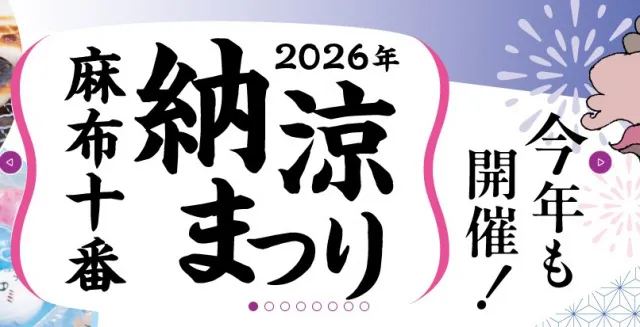
Organizers of the popular Azabu-Juban Noryo Matsuri in central Tokyo have issued a formal apology after a food poisoning incident affected 78 festival-goers. The Azabu-Juban Shopping Street Promotion Association confirmed on its official website that Salmonella was detected in connection with a “cold crab ramen” served by the participating vendor “Kappo Komeo” during the event, held on August 22 and 23 in Minato Ward. While three people were briefly hospitalized, all have since been discharged. The case highlights Japan’s hallmark transparency and rapid coordination between event organizers and public health officials when safety concerns arise.
Official findings and enforcement
On September 3, Minato Ward authorities released their investigation results, concluding that Salmonella bacteria associated with the vendor’s cold crab ramen caused the outbreak. Citing the Food Sanitation Act, the ward issued a seven-day business suspension order for the facility, effective September 3–9. The organizers emphasized they had worked with the local health center ahead of the festival to review ingredients and preparation methods, held a hygiene seminar prior to opening, and conducted on-site checks with health officials during the event. In their statement, they acknowledged the seriousness of the incident and pledged to redouble hygiene inspections and reinforce preparation manuals to prevent any recurrence.
Vendor response
The operator of Kappo Komeo, fighter and influencer Komeo, posted an apology on X and announced a temporary halt of restaurant operations. The vendor expressed remorse to all affected patrons and said it would cooperate fully with authorities while implementing strengthened food safety protocols.
What visitors and residents should know
Japan consistently ranks among the safest destinations for food and festivals, thanks to stringent public health standards, regular inspections, and a strong culture of compliance. Incidents like this are rare—and when they do occur, investigations are typically rapid, public, and followed by corrective action. Salmonella is a common global foodborne pathogen; symptoms can include diarrhea, abdominal pain, and fever. Anyone who attended the festival and experiences symptoms should seek medical advice. Japan’s medical facilities, including clinics in central Tokyo and Minato Ward, can provide consultations and testing; many clinics also support English-language assistance or can be accessed via medical interpretation services.
About Azabu-Juban Noryo Matsuri
Held in Tokyo’s cosmopolitan Azabu-Juban neighborhood—home to embassies, long-standing eateries, and a thriving international community—the Noryo Matsuri is a summertime staple that blends traditional festival charm with contemporary street food. It attracts locals, expats, and tourists alike with live performances, lantern-lit streets, and regional specialties from across Japan. Organizers underscored that they are committed to preserving that welcoming atmosphere while reinforcing safety measures across all participating stalls. The incident has prompted a renewed focus on training, traceability, and temperature control—industry best practices that ensure food remains safe even during peak crowds and summer heat.
Why it matters
For foreign residents and visitors, the response demonstrates Japan’s commitment to public accountability. Minato Ward’s decisive enforcement, the organizer’s transparent apology, and the vendor’s immediate suspension of operations are consistent with the country’s high standards. As the festival scene continues through late summer and autumn, attendees can expect continued collaboration between local authorities and merchants—more audits, clearer manuals, and tighter oversight—aimed at maintaining the reliability that makes Japan’s festivals beloved worldwide.
What’s next
The shopping street association says it will conduct enhanced hygiene checks for future events and re-educate participating vendors on handling, storage, and preparation, especially for chilled dishes. Minato Ward will continue monitoring compliance. While this incident is regrettable, the swift course correction reinforces the trust that visitors and residents place in Japan’s food culture—and underscores a broader lesson: rigorous standards and open communication are key to keeping community celebrations safe.