Popular crab ramen restaurant responds after festival illness reports
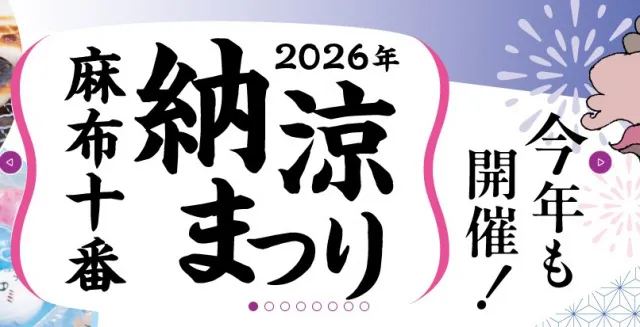
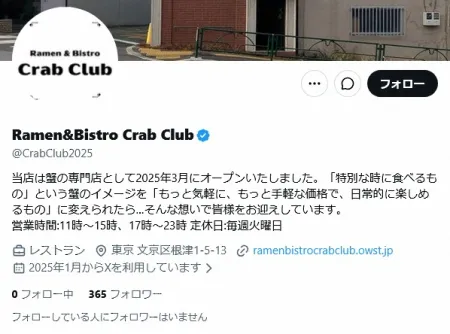
Ramen&Bistro Crab Club, a well-known Tokyo specialty shop celebrated for its crab ramen, took to X (formerly Twitter) on September 4, 2026, to share its perspective following reports of foodborne illness at the Azabu-Juban Noryo Matsuri held on August 22–23 in Minato Ward. The post followed an apology issued a day earlier by “Kappo Komeo,” the stall operator and media personality known as “Komeo,” who said customers who ate his “chilled crab ramen” during the festival had reported feeling unwell. In a document titled “Apology and Report on the Food Poisoning Incident at the Azabu-Juban Noryo Matsuri,” Kappo Komeo acknowledged the reports and offered an apology.
“Crab is not to blame,” says Crab Club
Crab Club said several media outlets had contacted the restaurant, some requesting to film interviews, and asked pointed questions such as “Did this happen because it was crab?” and “Is crab especially prone to food poisoning?” The shop pushed back, writing emphatically, “Crab is not the cause!” The post added that while seafood requires careful handling, robust food safety measures are a basic obligation for any food business. Crab Club also linked to a previous article it had published outlining its hygiene practices and concluded by expressing sympathy for those who felt unwell and reaffirming a commitment to serve “delicious crab ramen with peace of mind” through diligent sanitation.
What we know—and what we don’t
As of publication, the operator’s statement confirms customer reports of illness connected to consumption of chilled crab ramen at the festival. However, no official announcement has identified a pathogen, determined a direct cause, or disclosed the total number of cases. Health authority findings had not been publicly released at the time of writing. In the absence of confirmed details, Crab Club’s post seeks to counter a broader assumption that crab itself was responsible, reframing the conversation around safe handling across all seafood and the importance of standard preventive measures such as temperature control, cross-contamination prevention, and record-keeping.
Context: Summer festivals and food safety in Japan
The Azabu-Juban Noryo Matsuri is one of Tokyo’s best-known late-summer street festivals, drawing large crowds to Minato Ward for traditional performances and an array of food stalls. Japan maintains strong food safety expectations for both permanent restaurants and temporary festival vendors, with local health centers providing guidelines and oversight. Even so, late August heat and high foot traffic can challenge cold-chain management. Against this backdrop, prompt public communication—apologies, clarifications, and updates—illustrates a broader culture of accountability that underpins Japan’s dining scene.
Why this matters to diners and operators
The incident highlights a reputational risk for entire categories—here, seafood and crab—when details are still emerging. Crab Club’s intervention underscores that ingredient-centric blame can be misleading without evidence, and that operational rigor is the real safeguard. For diners, the key takeaway is to look for signs of best practice: chilled items served from properly cooled storage, frequent turnover of ingredients, clean workspaces, and vendors who can clearly explain their handling protocols. For operators, transparent communication, documented hygiene routines, and staff training are vital, particularly during high-volume events.
For expats and visitors: practical tips
- Choose busy stalls with high product turnover to reduce time food spends at ambient temperature.
- For chilled dishes, check that ingredients are held in ice or refrigerated units and assembled to order.
- Observe glove use, utensil rotation, and separation of raw and ready-to-eat items.
- When in doubt, opt for freshly cooked-to-order foods served hot.
- Follow official updates from local health centers and organizers after large events.
A resilient culinary culture
Japan’s culinary community is accustomed to exacting standards and swift, transparent responses. Kappo Komeo’s public apology and Crab Club’s assertive clarification both reflect a marketplace where customer trust is paramount and where businesses quickly address concerns to protect diners and the wider food culture. While the precise cause of the reported illnesses remains unconfirmed, the message from professionals is clear: sound hygiene systems, not scapegoating an ingredient, are what keep festival favorites and specialty dishes safe. As investigations progress, expect organizers and vendors to double down on visible safety steps—reassuring locals, expats, and travelers that Japan’s beloved matsuri food remains a highlight worth lining up for.