Chinese county investigates alleged formaldehyde treatment of cabbages
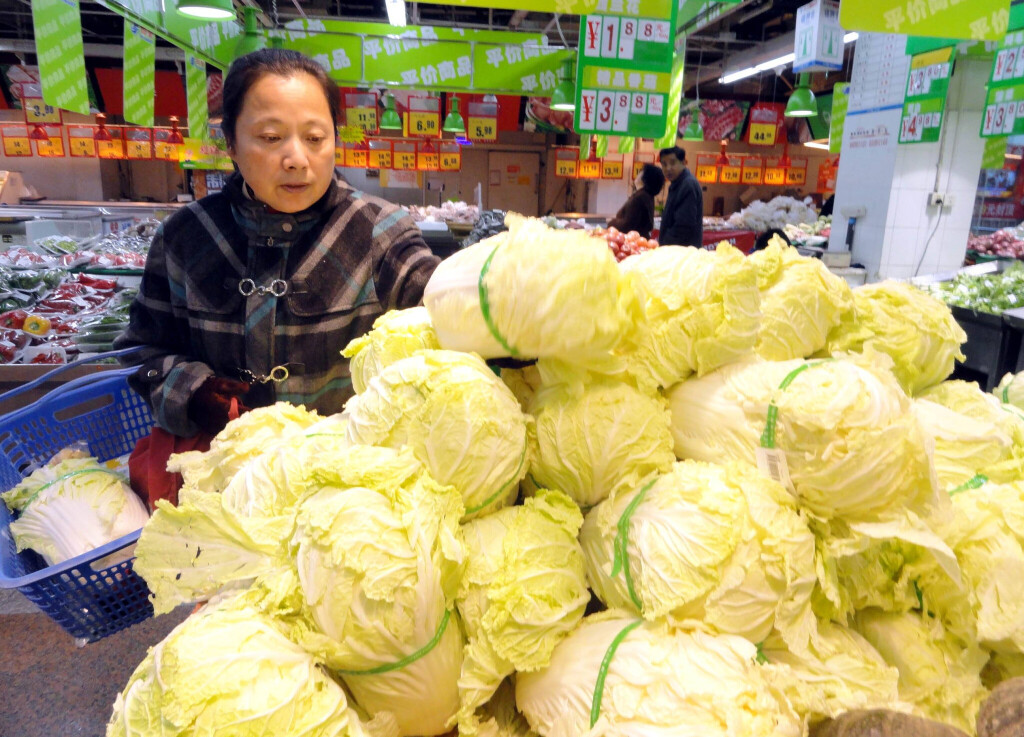
Authorities in Kangbao County, Hebei Province, China, are investigating after footage circulating online appeared to show napa cabbages being immersed in a solution containing formaldehyde—an industrial chemical classified as carcinogenic to humans. The county government announced that a task force had been dispatched to verify the claims, confirming that the practice occurred. According to local officials, the alleged rationale was to maintain freshness during long-distance transport. Investigators are now tracking the distribution channels of the affected produce, inspecting vehicles believed to be involved, and questioning parties tied to the shipments.
China’s Communist Party newspaper, People’s Daily, reported that the use of formaldehyde in agricultural products is prohibited under Chinese law. In response to the incident, China’s State Council Food Safety Office has directed regional authorities to conduct emergency spot checks, particularly targeting perishable vegetables. The probe is ongoing, and no official tally of affected volumes has been released.
What is formaldehyde—and is it ever legal in food?
Formaldehyde is a colorless, pungent chemical widely used in manufacturing, disinfectants, and resins. While small amounts occur naturally in some foods, its deliberate use as a preservative in produce is illegal in many jurisdictions, including China and Japan, due to health risks associated with prolonged or high-level exposure. The International Agency for Research on Cancer classifies formaldehyde as carcinogenic to humans. Regulators typically enforce strict penalties for its misuse in the food supply chain.
Could this affect Japan?
Japan maintains stringent border controls and food safety standards overseen by the Ministry of Health, Labour and Welfare (MHLW). While Japan grows most of its napa cabbage domestically—especially for winter hotpots and kimchi making—it also imports certain vegetables and processed foods from abroad, including China. When incidents arise overseas, Japanese authorities can increase inspection frequencies for targeted categories, detain suspect shipments, and require documentation proving compliance with Japanese residue and additive standards.
As of now, there has been no official indication that the cabbages under investigation in Hebei entered the Japanese market. However, Japan’s import regime is designed to react quickly: if risk information emerges, inspection rates can be elevated at ports of entry, and distributors are required to ensure traceability. Retailers in Japan commonly rely on documented supply-chain audits and independent lab testing, adding another layer of protection for consumers.
Japan’s safeguards and consumer confidence
Japan’s food safety system is notable for its transparency and responsiveness. Border inspections, random sampling, and public advisories are standard practice, and supermarkets frequently label produce origins clearly so shoppers can make informed choices. In recent years, Japan has moved swiftly to impose enhanced checks on items flagged overseas, demonstrating a pro-consumer posture that helps sustain high trust in the domestic market. For expats and visitors, this means that everyday shopping—from neighborhood grocers to national chains—benefits from tight oversight and clear accountability.
Why this story matters for people in Japan
For residents and expats alike, the Hebei investigation underscores the value of Japan’s multi-layered approach to food safety. It also highlights the importance of traceability, rapid testing, and international information-sharing. While the alleged formaldehyde use is a domestic enforcement issue for China, Japan’s established controls and market practices limit the likelihood that non-compliant produce reaches local shelves. Consumers can continue to monitor official MHLW updates and retailer notices, but there is no cause for alarm at this stage.
The bottom line
China’s probe into formaldehyde-treated cabbages is a serious reminder that shortcuts in supply chains can surface anywhere. Yet Japan’s rigorous import checks, retailer standards, and consumer transparency have a strong record of filtering out risks. Authorities in China have launched emergency inspections; if any findings intersect with Japan-bound trade, Japan’s regulators are well-positioned to act quickly—keeping mealtime confidence high.