A behind-the-scenes bust-up on a prime-time favorite
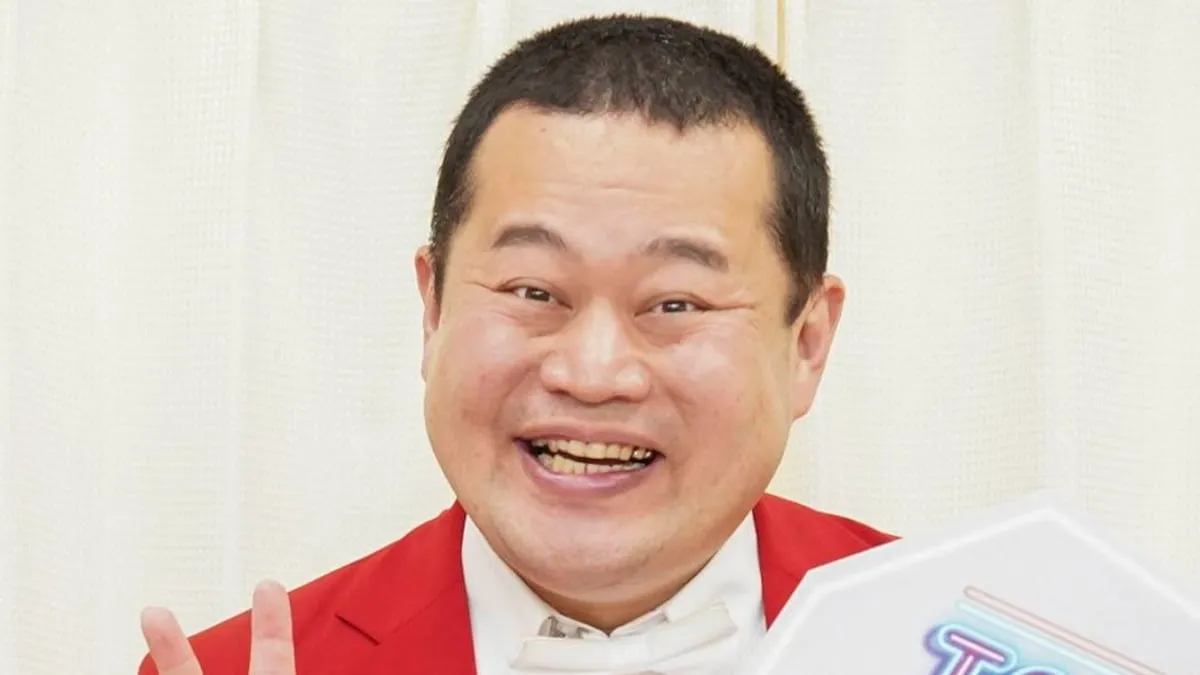
Japan’s high-octane variety TV is once again in the spotlight after comedian Minamikawa used his YouTube channel on September 3 to recount an intense on-location shoot for “Wednesday’s Downtown” (TBS, Wednesdays 10 p.m.). The segment in question—“National Route Ramen Marathon”—aired on September 2 and, according to Minamikawa, pushed him to his physical and emotional limits while pitting him against fellow comic Tomoshige of the duo Moguraider. The revelations quickly trended online as Minamikawa described a grueling challenge, heated exchanges, and the decision to cut some of the more explosive footage from the VTR (pre-recorded package) before broadcast.
“By far the toughest”: Minamikawa’s account
Speaking on his own program “Fukushū Radio” (Episode 167, recorded before the broadcast), Minamikawa called the ramen-themed endurance shoot “by far the toughest.” He recounted severe vomiting during filming—so intense that studio panelist Cookie! from Wild Bomb later told him on air, “It was something else.” Even recalling the day made Minamikawa physically uncomfortable, underscoring how punishing the on-site task became. For international readers, “Wednesday’s Downtown” (known in Japan as “Suiyōbi no Downtown”) is a long-running, hit variety show famed for social experiments and extreme location shoots that test the mettle and improvisational chops of comedians, known locally as owarai geinin.
When the cameras stop mattering
Minamikawa says the mood on set turned far tenser than what made it to air. At one intersection, the shouting reportedly escalated to the point that even staff “pulled back.” He recalls yelling born of genuine frustration—roughly, “Cut it out!” and “We’re on location—act like it!”—suggesting that, in the heat of the moment, the performers’ usual on-camera awareness gave way to raw confrontation. Several days later, during a meal with Moguraider’s Daisuke Shiba, Minamikawa says Shiba jokingly told him, “Minamikawa-san, baton touch!”—a nod to the sense that managing Tomoshige’s intensity sometimes requires teammates to tag in and out.
Apologies, bravado, and “gachi” anger
Minamikawa had already hinted at the clash in an August 20 episode of his show, saying he had argued even more fiercely than during a recent live event. After the recording, Tomoshige visited Minamikawa’s dressing room to apologize, accompanied by Masanari Takano of the duo Kishitakano. Yet Super 3suke—who often appears with Minamikawa on YouTube—alleged that, just beforehand at a bar, Tomoshige had loudly declared, “I will never yield to Minamikawa,” fueling speculation that the on-set tension had spilled into off-set bravado. Minamikawa described Tomoshige as someone whose “eyes go vertical” when the switch flips, concluding that working together might be “NG for now”—industry shorthand for “not a good idea at the moment.”
Another eyewitness: “Real anger, but I laughed”
Toru Nakajima of the comedy group Yadan, who paired with Tomoshige for the shoot, echoed the intensity on his YouTube show “Yadan no Dangan Radio REBORN” (September 3). He noted that while TV anger is often performative, Tomoshige’s was “gachi”—the real thing. Nakajima said he tried to caution him in hushed tones because some outbursts were “not for TV.” Still, he admitted he “laughed a lot” on site thanks to Tomoshige’s unpredictability and said he was genuinely excited to see what would make the final cut.
Why this resonates with fans—inside Japan and abroad
For many expats and global viewers discovering Japanese variety, the episode illustrates how Japan’s comedy scene leans on improvisation, real-time problem solving, and a spirited—sometimes spiky—chemistry among performers. Owarai duos often balance a boke (funny man) and a tsukkomi (straight man), and high-pressure “roke” (on-location shoots) are a hallmark of the craft. When reality overwhelms performance, editors step in: VTR cuts reflect Japan’s broadcast standards and a production culture that prioritizes safety, pacing, and viewer comfort—all while preserving the show’s daring edge. The post-incident “apology visit” also aligns with Japanese professional norms: acknowledging friction, resetting relationships, and keeping the show moving forward. Far from diminishing the program, such transparency—comedians debriefing candidly on YouTube and radio—tends to build trust. It reminds audiences that beyond the gags lies a disciplined industry that innovates without losing sight of responsibility.
The bigger picture: endurance TV, ramen culture, and reliability
Japan’s love of ramen and endurance-style segments often intersect on variety TV, celebrating local flavors while testing human limits. This latest chapter underscores why “Wednesday’s Downtown” endures: it spotlights authentic reactions, not just scripted beats. That some footage was reportedly trimmed is not a scandal but a sign of editorial judgment—keeping broadcasts energetic, respectful, and safe. In the end, the buzz reinforces a familiar truth about Japanese entertainment: bold ideas delivered with professional care keep audiences watching—and talking—long after the credits roll.